 St. Petersburg Siding
 Why Seminole Roofs Take a Different Kind of Beating
Seminole sits in the western part of Pinellas County, close enough to the Gulf and the intracoastal waterways that salt air is part of daily life, not an occasional issue. Combine that with the rest of what a St. Petersburg-area roof deals with every year — hurricane-force wind gusts, months of intense subtropical UV, and wind-driven rain that gets forced sideways under flashing that was only ever designed for water falling straight down — and you get a climate that is genuinely harder on roofing material than most of the country ever sees.
None of that means a Seminole roof is doomed to constant problems. It means repairs have to be done right the first time, with materials and techniques matched to this exposure, instead of a quick patch that looks fine for a season and fails at the next storm.
Common Roof Repair Issues We See on Seminole Homes
Asphalt Shingle Roofs
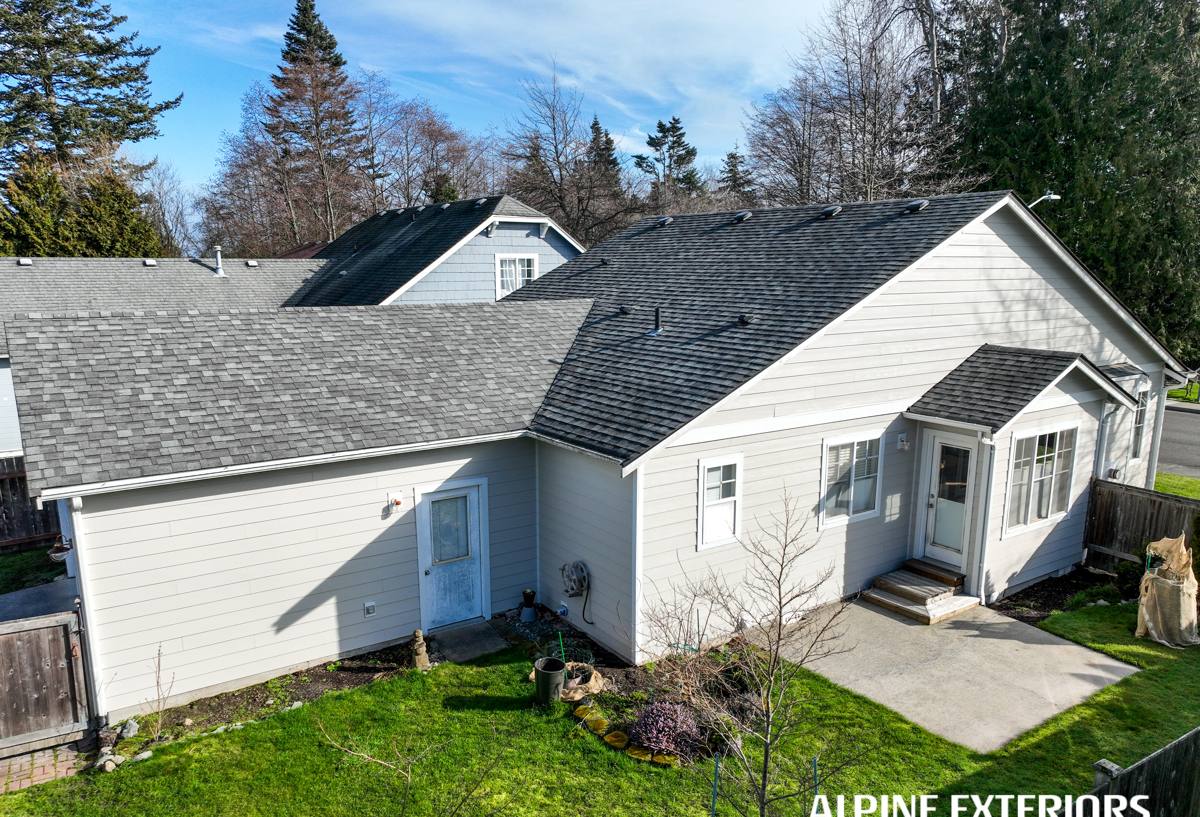
Shingle roofs are common throughout Seminole, and the failures we see most often trace back to UV breakdown of the shingle's protective granules, wind uplift at the edges and ridge, and nail pops that loosen over repeated heat-and-cool cycles. Once granules wear thin, the asphalt underneath ages faster, and a roof that looks fine from the ground can be losing its water resistance in isolated spots.
Tile Roofs
Clay and concrete tile hold up well against UV and generally outlast shingles, but tile roofs fail differently: individual tiles crack or slip out of place from wind or foot traffic, and the underlayment beneath the tile — the part actually keeping water out — ages and fails long before most homeowners realize it. A tile repair that only replaces the visible broken tile without checking the underlayment underneath is not a complete repair.
Flat and Low-Slope Sections
Many Seminole homes have a flat or low-slope section over a porch, addition, or garage tie-in. These sections rely on membrane roofing rather than shingles or tile, and they're especially vulnerable to ponding water and seam failure. Leaks here often show up as stains well away from the actual failure point, which is why an accurate diagnosis matters more on flat sections than almost anywhere else on the house.
What a Correct Roof Repair Actually Involves
Diagnosis Before Patching
A repair that starts with sealing the spot where a stain appears on the ceiling, without tracing the leak to its actual source on the roof, is a coin flip. Water travels along rafters, decking, and underlayment before it ever shows up inside, so the visible damage and the actual failure point are often feet apart. We check flashing, valleys, penetrations, and the surrounding field of shingles or tile before deciding what actually needs to be repaired.
Flashing and Underlayment, Not Just the Surface
Shingles and tile are the visible layer, but flashing around chimneys, vents, skylights, and roof-to-wall transitions is where most leaks actually originate, and underlayment is the backup layer that's supposed to catch anything that gets past the surface. A repair that replaces damaged shingles or tile but reuses old, brittle flashing or torn underlayment underneath is a repair that will need to be redone soon.
Matching Materials Honestly
On a repair, we try to match existing shingle profile, tile style, or membrane type as closely as possible. Sometimes an exact color or style match isn't available if the roof is older, and we'll tell you that up front rather than let a mismatched patch be a surprise. In some cases, blending a slightly different but compatible product onto a less visible slope is the more honest option than chasing down a discontinued match.
Roof Repair vs. Roof Replacement: How to Decide
Not every roof problem calls for a full replacement, and not every leak can be permanently solved with a patch. Here's how we help homeowners think through the decision:
| Factor | Repair usually makes sense | Replacement usually makes sense |
|---|---|---|
| Age of roof | Under roughly 60–70% of expected material lifespan | At or past expected lifespan for the material |
| Extent of damage | Isolated to one area or a few penetrations | Spread across multiple slopes or recurring in different spots |
| Underlayment condition | Still intact where accessible | Brittle, torn, or failing broadly |
| Storm history | Single event, localized damage | Repeated wind exposure over several seasons |
| Insurance situation | Out-of-pocket repair is cost-effective | Claim covers replacement and repair cost approaches that threshold |
We'll tell you plainly which category your roof falls into. If a repair is the honest answer, we're not going to talk you into a replacement — and if a repair would just be a temporary fix on a roof near the end of its life, we'll say that too.
Our Roof Repair Process
- Inspection. We get on the roof (or use a camera where access is limited) and inspect the area in question along with flashing, penetrations, and the general condition of the surrounding roof.
- Honest diagnosis. We explain what's actually failing, why, and what it will take to fix it correctly — including if the real answer is that this needs more than a patch.
- Written estimate. You get a clear scope of work and price before anything starts, not a vague verbal quote.
- Repair. We remove and replace damaged material, correct flashing and underlayment issues found during inspection, and match surrounding material as closely as reasonably possible.
- Cleanup and walkthrough. We clear debris, check for stray nails or fasteners in the yard, and walk the completed repair with you before we consider the job done.
What Roof Repairs Typically Cost
Costs vary based on roof type, access, and how much of the underlying structure needs attention — not just how large the visible damage looks. As a general guide:
| Repair type | Typical range | What drives the price |
|---|---|---|
| Minor shingle repair or small flashing fix | $150 – $600 | Number of shingles, accessibility, whether decking is sound |
| Valley, chimney, or skylight flashing repair | $400 – $1,200 | Complexity of the flashing detail, extent of surrounding damage |
| Tile repair with underlayment section replacement | $600 – $2,000 | Tile type and availability, how much underlayment needs replacing |
| Larger repair involving decking replacement | $1,500 – $4,000+ | Extent of wood rot or water damage found once material is removed |
These are broad ranges, not a quote — every roof and every leak is different, which is why we price after inspecting, not before.
Signs a Seminole Roof Needs Repair Now, Not Later
- Water stains on ceilings or interior walls, especially ones that appear or worsen after a storm
- Missing, cracked, or curling shingles visible from the ground
- Cracked, slipped, or displaced roof tiles
- Granules collecting in gutters or at downspouts
- Soft spots or sagging near the roofline (a sign to call someone, not to walk on it further)
- Visible daylight through the attic roof deck
- Rusted, lifted, or separated flashing around chimneys, vents, or skylights
- A musty smell in the attic or top-floor rooms
- Higher cooling bills with no other explanation, which can point to attic moisture or lost insulation value
Any one of these on its own doesn't necessarily mean a major problem, but ignoring them through a full hurricane season rarely ends well in this part of Florida.
Why Hiring a Crew That Already Works in Seminole Matters
Roofing rules and realities differ by jurisdiction. A crew that regularly works in Seminole and the surrounding St. Petersburg area already understands Pinellas County's permitting expectations, the wind-mitigation documentation that affects insurance, and the roofing styles that are actually common on homes here — rather than treating every job as a first encounter with local code and climate.
That familiarity also shows up in smaller, practical ways: knowing which repair approaches actually hold up against salt air and wind-driven rain in this specific area, and being available for a follow-up visit if a repair needs adjustment after the next storm, because we're already working in the neighborhood.
Keeping a Seminole Roof Going Between Repairs
A roof in this climate benefits from more than reactive repairs. Clearing debris after storms, keeping gutters flowing so water doesn't back up under the roof edge, and having an inspection after any significant wind event — even without visible damage — catches small problems while they're still small and cheap to fix. Salt air and UV exposure don't pause between hurricanes, so a roof that gets looked at once a year tends to need fewer emergency repairs than one that only gets attention after there's already a leak.
If you're dealing with a leak, storm damage, or just want an honest read on a roof's condition before it becomes a bigger problem, we're happy to take a look. The estimate is free, there's no pressure to sign anything on the spot, and you'll get a straight answer about whether you're looking at a repair or something bigger — just fill out the form below to get started.