 St. Petersburg Siding
 Storm Damage Roof Repair for Bartlett Park Homes
Bartlett Park sits close enough to Tampa Bay that every storm season brings the same combination: gusty straight-line wind, wind-driven rain that finds any gap in a roof system, and the kind of afternoon downpour that turns a small problem into a ceiling stain within a week. If a recent storm lifted shingles, cracked a ridge cap, or drove water under your flashing, the roof needs a real inspection and a correct repair — not a patch that fails at the next squall line. We work storm damage repairs in this neighborhood regularly and know what Pinellas County's older bungalow roofs and newer reroofs both tend to give up first.
This page covers what storm damage repair actually involves for a Bartlett Park home, how we handle it from first call to final inspection, and what separates a repair that lasts from one that just looks fixed.
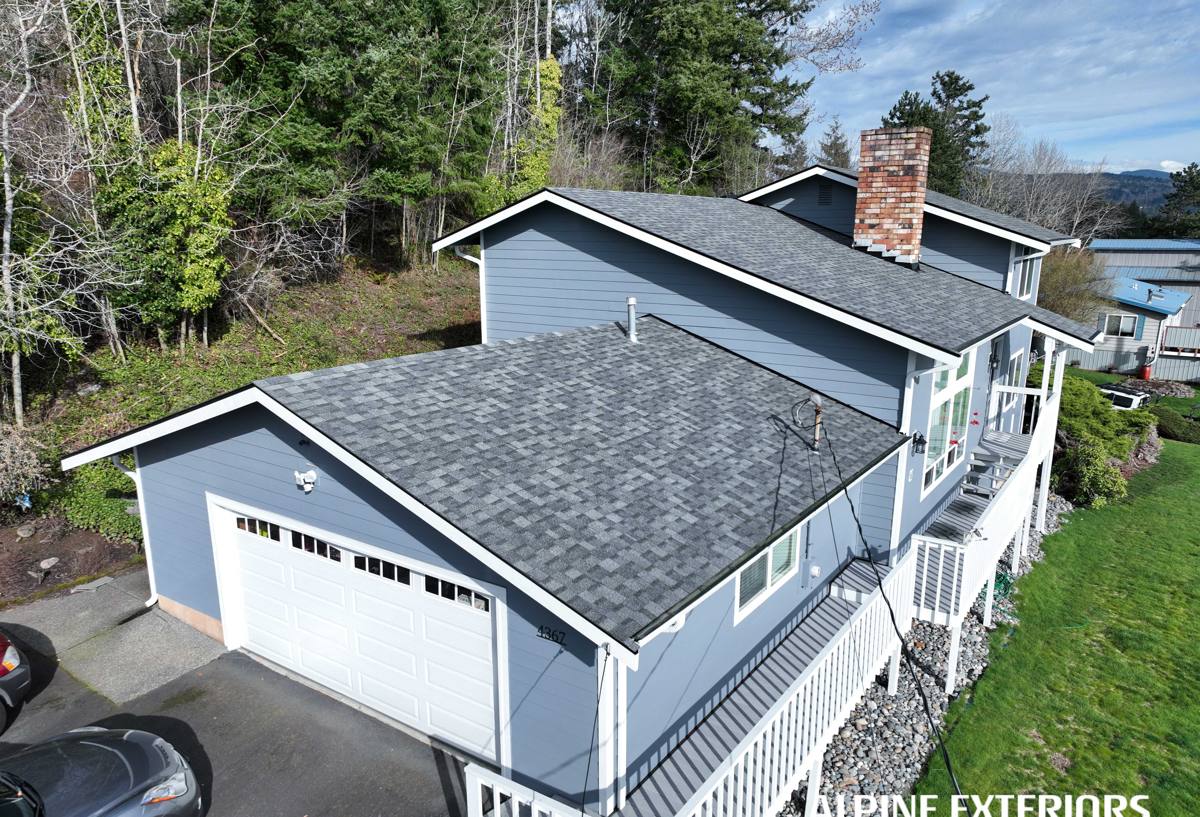
Why Bartlett Park Roofs Take a Beating
The neighborhood's mix of mid-century homes and newer infill construction means roof age and roof type vary a lot from block to block. What doesn't vary is the climate load every one of those roofs is under:
- Hurricane-force wind gusts that get under loose or aging shingle tabs, popping fasteners and creasing metal panels along the eave and ridge lines.
- Wind-driven rain that doesn't fall straight down — it drives sideways under ridge caps, around pipe boots, and into any nail pop or lifted shingle edge that a calm-weather inspection would miss.
- Intense, near-constant UV exposure that dries out shingle asphalt and rubber pipe boots year-round, making them brittle and more likely to crack or split when a storm puts stress on the roof.
- Salt air off the bay that accelerates corrosion on exposed fasteners, flashing, and metal roof panels — a slow process that turns a minor storm event into a bigger failure because the metal was already weakened.
None of these factors act alone. A roof with UV-brittle pipe boots and mildly corroded fasteners is the roof that fails in a storm a healthy roof would shrug off. That's why we look at storm damage in the context of the roof's overall condition, not just the visible dent or missing shingle.
What Storm Damage Actually Looks Like
Homeowners often expect storm damage to be obvious — a hole, a tarp-worthy tear. Most of the time it's subtler:
- Shingles that are creased, lifted, or missing granules in a wind-shaped pattern
- Nail heads backed out or exposed after high wind flexed the roof deck
- Flashing pulled away from a chimney, wall, or skylight edge
- Cracked or split pipe boots that let water track down into the attic
- Soft spots or staining on the ceiling inside, appearing days after the storm as water works its way through the deck
- Debris impact marks — small dents or bruising on shingles or metal panels from wind-thrown branches or debris
What a Correct Repair Involves
A storm damage repair done right isn't just replacing what's visibly missing. It has a sequence, and skipping steps is how a repair fails again in the next storm.
1. Inspection Before Any Repair
We walk the roof (or use ground/ladder inspection when the deck isn't safe to walk) and check the attic from inside for water intrusion, staining, or wet insulation. Storm damage often extends past what's visible from the ground, and an insurance adjuster will expect a documented, specific assessment — not a guess.
2. Temporary Protection First
If there's an active leak or exposed deck, we get it covered — tarping or temporary sealing — before anything else. Every day a roof deck sits exposed to Florida humidity and rain is a day closer to rot, mold, and a bigger repair bill.
3. Matching the Repair to the Existing System
Repairs need to tie into the surrounding roof correctly — matching shingle type and exposure, flashing metal and profile, and fastening pattern to code. A mismatched patch is often what causes the next leak, because water doesn't respect a repair that doesn't shed it the way the rest of the roof does.
4. Addressing the Cause, Not Just the Symptom
If wind got under a shingle edge because the adhesive strip had already failed from UV exposure, replacing just that shingle without checking the surrounding field doesn't fix the underlying problem. We flag adjacent areas showing the same wear so you can decide whether a broader repair — or eventually a reroof — makes more sense than repeat storm patches.
Our Process for Bartlett Park Storm Calls
| Step | What Happens | Typical Timing |
|---|---|---|
| Initial call/estimate | Roof and attic inspection, photos, written scope | Same week, sooner if actively leaking |
| Emergency tarp (if needed) | Temporary weatherproofing to stop active water intrusion | Within 24–48 hours |
| Insurance documentation | Photos and written damage description you can submit to your carrier | Provided with the estimate |
| Repair scheduling | Materials ordered to match existing roof, crew scheduled | Depends on material availability |
| Repair execution | Damaged sections replaced, flashing and boots resealed, deck checked | Most single-area repairs: 1 day |
| Final walkthrough | Review completed work, confirm no additional issues found during repair | Same day as repair |
Cost Factors for Storm Damage Repair
Every roof and every storm event is different, so we don't quote a number without seeing the roof. What actually moves the price:
| Factor | Why It Matters |
|---|---|
| Extent of the damage | A single lifted section costs far less than damage spread across multiple roof planes |
| Roof accessibility | Steep pitch, height, or obstructions affect labor time and safety setup |
| Underlying deck condition | If water reached the deck, rotted plywood has to be replaced before shingles or panels go back on |
| Material match | Discontinued shingle colors or profiles can require a larger repair area to blend properly |
| Insurance involvement | Claims add documentation steps but can significantly offset your out-of-pocket cost |
As a general guide, small, localized storm repairs (a section of shingles, a flashing reseal, a pipe boot replacement) tend to run in the low hundreds to low thousands of dollars. Larger damage involving deck replacement or multiple roof sections costs more — we'll give you a specific number after inspection, not a guess over the phone.
Insurance Claims: What We Can and Can't Do
We're not your insurance adjuster and we won't pretend to be. What we can do is document damage clearly — photos, measurements, a written scope — so your claim has accurate information behind it. If your carrier's adjuster comes out, we're glad to walk the roof with them and point out what we found. The decision on coverage and payout is always the carrier's, but a vague or incomplete damage report is one of the most common reasons claims get underpaid, and that's the part we can help you avoid.
Why Local Experience with Bartlett Park Roofs Matters
A crew that works this neighborhood regularly already knows the common roof ages, the typical construction details on both the older homes and newer builds here, and how St. Petersburg's permitting and inspection process runs for storm repairs. That familiarity means fewer surprises mid-repair and a scope that's accurate the first time, instead of a change order after the tear-off starts. It also means we're not learning Pinellas County wind-uplift and flashing requirements on your roof — those standards inform how we detail every repair, storm-related or not.
Post-Storm Roof Checklist
- Check the attic for new staining, damp insulation, or daylight showing through the deck
- Look at ceilings in every room, including closets, for new discoloration
- From the ground, scan for missing or visibly lifted shingles, dented vents, or displaced ridge caps
- Check gutters and the ground below the roofline for shingle granules or debris — a sign of wind stripping
- Don't walk the roof yourself after a storm — wet, damaged decking is not safe to inspect on foot
- Get a professional inspection promptly, even if you don't see obvious damage — some failures show up as leaks weeks later
- Photograph anything you do notice before cleanup, for your own records and any insurance claim
When Repair Isn't Enough
Sometimes what looks like isolated storm damage is really a roof at the end of its service life that the storm just exposed. If we find widespread granule loss, brittle shingles across multiple planes, or a deck with recurring moisture issues, we'll tell you honestly rather than keep billing you for repairs on a roof that needs replacement. That conversation is part of an honest inspection, not an upsell — a patched roof that's structurally past its useful life will keep failing in every storm that follows, hurricane season after hurricane season.
If your Bartlett Park home took storm damage — or you just want a roof checked before the next system rolls through the bay — we're glad to come take a look. Use the form below for a free, no-pressure estimate.