 St. Petersburg Siding
 Roofing an Older St. Petersburg Neighborhood the Right Way
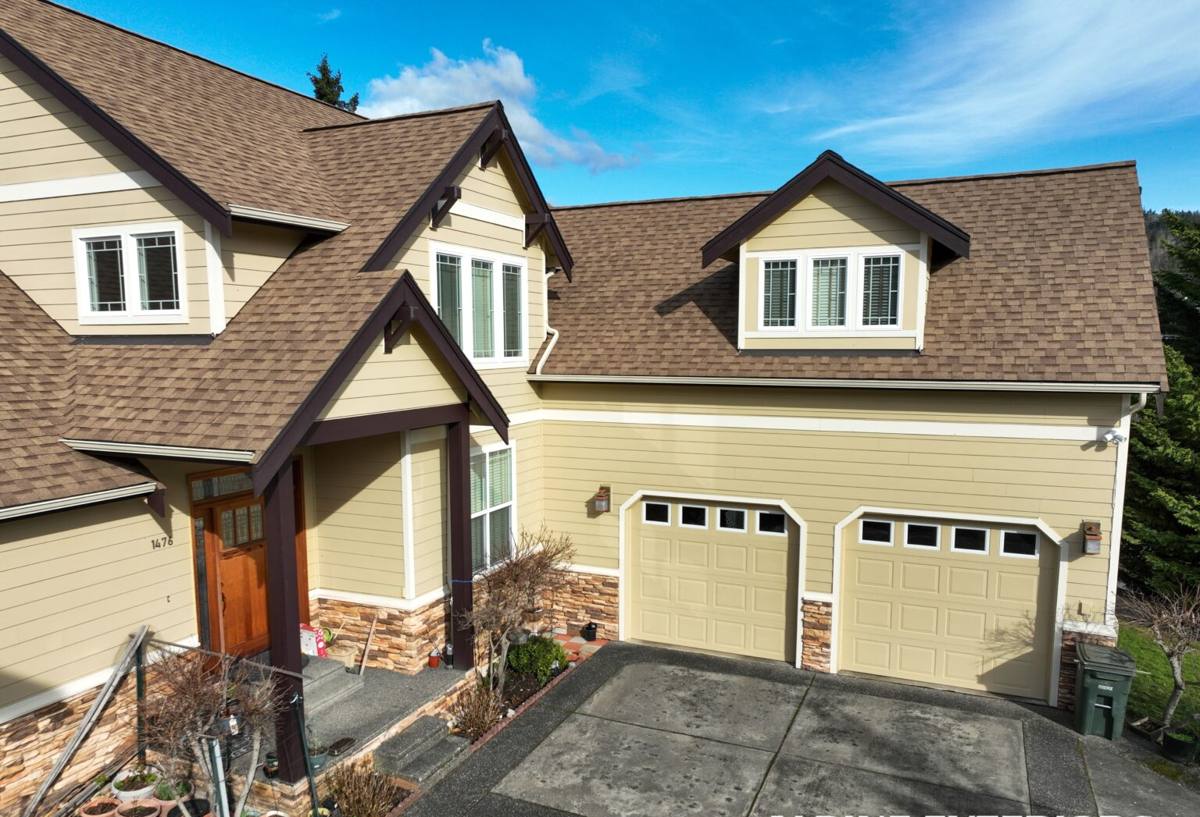
Historic Old Southeast is one of St. Petersburg's older residential neighborhoods, and the roofs over it reflect that age. Many homes here were built with wood-frame construction, original rafter or truss spacing that predates modern building code, and roof lines — hips, gables, dormers, porches — that were designed for looks first, not for 21st-century wind loads. When one of these roofs needs replacing, the job isn't the same as re-roofing a 2005 subdivision house with a simple truss roof and a two-car garage. It takes more layout work, more attention to detail at transitions, and a crew that has actually worked on homes like these before.
We work in this neighborhood regularly, which means we already know what tends to be hiding under these roofs before we ever pull the first shingle: undersized decking by today's standards, older nailing patterns, layers of past repairs, and sometimes surprises where an addition was tied into the original roof without much planning. Knowing what to expect going in makes the job faster and less stressful for the homeowner.
What Pinellas County Climate Does to an Older Roof
St. Petersburg sits on a peninsula in Pinellas County, and the roof over an Old Southeast home takes a beating from several directions at once, year after year.
Hurricane-Force Wind
Wind is the biggest structural threat. Older roofs, especially ones with multiple hips, valleys, and dormers, have more edges and transitions where wind can get underneath a shingle or panel and start peeling it back. The complexity that makes these roofs attractive architecturally is also what makes them harder to keep secure in a storm — every ridge, valley, and rake edge is a place that needs correct fastening and flashing, not shortcuts.
Intense, Year-Round UV
Florida sun doesn't take a season off. Asphalt shingles lose their oils and granules faster here than in milder climates, and underlayment that isn't rated for extended UV or heat exposure breaks down early. On an older home, the roof deck underneath has often already been baking for decades — by the time a replacement happens, the wood has usually dried out and lost some of its holding strength for nails and fasteners.
Wind-Driven Rain
Tropical storms and summer downpours in this area don't fall straight down — they come in sideways. That means flashing details around chimneys, dormers, and wall-to-roof transitions (all common on older Old Southeast homes) have to actually shed water under pressure, not just when it's raining gently.
Salt Air
Being close to Tampa Bay and the Gulf means salt-laden air settles on everything, including metal flashing, fasteners, and vents. Standard fasteners corrode faster here than they would inland, which is why material choice at every metal component matters more in St. Petersburg than it would forty miles east.
What a Correct Roof Replacement Involves Here
A roof replacement on a historic-area home is really a sequence of decisions, each of which affects how the roof performs for the next 20-30 years.
Tear-Off and Deck Inspection
We remove the existing roofing down to the deck rather than layering over it. On older homes this step matters more than usual, because it's the only real chance to see the actual condition of the decking, rafters, and any past repairs before they're covered up again. Soft, delaminated, or undersized decking gets replaced rather than covered over.
Matching the Roof's Complexity
Hips, valleys, dormers, and porch roofs each need their own flashing and fastening approach. Cutting corners on any single valley or transition creates a weak point that shows up during the next big storm, not on a calm day when it would be easy to catch.
Wind-Rated Fastening and Underlayment
Given the wind exposure in this part of Florida, nailing patterns and fastener counts need to meet or exceed current Florida Building Code wind requirements for this region — not just whatever the original roof used decades ago. A high-quality synthetic or self-adhering underlayment adds a second line of defense in case wind-driven rain gets past the top layer.
Ventilation
Many older homes were built before modern attic ventilation standards existed. Correcting airflow — intake at the eaves, exhaust at the ridge or through vents — helps the new roofing material last as long as it's designed to and keeps attic temperatures and moisture in check, which also protects the old wood framing underneath.
Respecting the Look of an Older Neighborhood
Homes in Historic Old Southeast were generally built with a distinct architectural character, and a roof replacement is one of the most visible changes an owner can make to a house. We treat material and color selection as part of the job, not an afterthought — matching a profile and color that suits the home's original style rather than defaulting to whatever is cheapest or fastest to install. If the property falls under any historic district design guidelines, that's a conversation we have with the homeowner early, before materials are ordered, not after.
Common Roofing Materials We Discuss With Homeowners Here
| Material | Typical Lifespan | Best Fit For | Trade-offs |
|---|---|---|---|
| Architectural asphalt shingle | 20-30 years | Most bungalow and cottage-style homes | Most affordable; needs correct wind-rated installation to perform here |
| Standing seam metal | 40-60 years | Homes wanting long-term durability and strong wind performance | Higher upfront cost; needs proper fastener selection to resist salt air corrosion |
| Concrete or clay tile | 40-50+ years | Homes with Mediterranean or Spanish-influenced rooflines | Heavier — requires the deck and structure to support the load; installation quality is critical |
| Dimensional/synthetic shake-style | 25-35 years | Homes wanting a traditional wood-shake look without the maintenance | Cost varies widely by product; we evaluate moisture behavior and warranty terms case by case |
There isn't one universal "best" material for this neighborhood — it depends on the home's roof structure, its architectural style, and what the homeowner wants to spend upfront versus over time. We walk through these trade-offs honestly rather than pushing whichever product carries the best margin.
Our Process From First Call to Final Walkthrough
- Inspection and estimate — We look at the roof from the ground and, where safely accessible, up close, and check the attic for existing signs of leaks, ventilation issues, or deck damage.
- Written scope and honest options — You get a clear breakdown of material options, what each involves, and a straightforward price range — no vague allowances that turn into surprise add-ons later.
- Permitting — Roof replacement in St. Petersburg requires a permit and inspection. We handle that process rather than leaving it to the homeowner.
- Tear-off and deck repair — Old roofing comes off, decking is inspected, and any compromised sections are replaced before anything new goes down.
- Underlayment, flashing, and roofing installation — Installed to current wind-rated standards for this region, with particular attention to valleys, penetrations, and edges.
- Final inspection and walkthrough — We review the finished roof with you and make sure the permit closes out with the required inspection.
Why Local Experience in This Neighborhood Matters
A crew that already works in Historic Old Southeast has seen the recurring quirks of these homes before — the way certain additions were tied into original rooflines, how older decking typically holds up once it's exposed, and what the neighborhood's homes generally need in terms of ventilation and flashing corrections. That familiarity shortens the inspection process, reduces mid-job surprises, and means the estimate we give at the start is more likely to match what the job actually costs. It also means we're a known, reachable crew if a question comes up on the roof five or ten years down the road, not a company that did one job in the area and disappeared.
Signs Your Old Southeast Home May Need a Roof Replacement Soon
- Shingles that are curling, cracking, or losing significant granules, especially on the south- and west-facing slopes that take the most sun
- Daylight visible through the attic roof deck, or damp insulation after rain
- Sagging areas along the roofline, particularly near valleys or where additions meet the original structure
- Rusted, lifted, or missing flashing around chimneys, dormers, or wall transitions
- Granules collecting in gutters in noticeably increasing amounts
- A roof that's approaching or past the expected lifespan of its material, especially if the last inspection or replacement predates recent hurricane seasons
- Difficulty getting affordable wind insurance coverage due to roof age or condition
What This Typically Costs
Roof replacement pricing depends on the roof's total square footage, its pitch and complexity (number of hips, valleys, and dormers), the decking condition once it's uncovered, and the material chosen. A straightforward asphalt shingle replacement generally costs less than metal or tile, but the more complex rooflines common in this neighborhood typically add labor time regardless of material, since every valley and transition needs individual attention. We give a real number after inspecting the roof and attic in person — not a phone estimate based on square footage alone.
If your Historic Old Southeast home's roof is showing its age, or you just want an honest opinion on what shape it's in, we're happy to take a look. Fill out the form below for a free, no-pressure estimate.