 St. Petersburg Siding
 Composite Decking Built for Kenneth City's Climate
Kenneth City sits in the middle of Pinellas County, close enough to Tampa Bay and the Gulf that every outdoor structure in the area deals with the same combination of stresses: long stretches of intense UV exposure, wind-driven rain that finds its way into anything not properly sealed, salt-laden air that accelerates corrosion on fasteners and hardware, and the occasional hurricane-force wind event that tests every connection in a deck's frame. A deck that looks fine in the showroom or in a northern climate can fail here in a fraction of the time if it wasn't specified and built for this environment.
Composite decking has become the practical choice for a lot of homeowners in this area precisely because it handles that combination better than traditional lumber, without the maintenance schedule that wood demands. That said, "composite decking" isn't one product — the boards, the substructure underneath them, and the way they're fastened all matter, and getting any one of those wrong shortens the life of the whole deck.
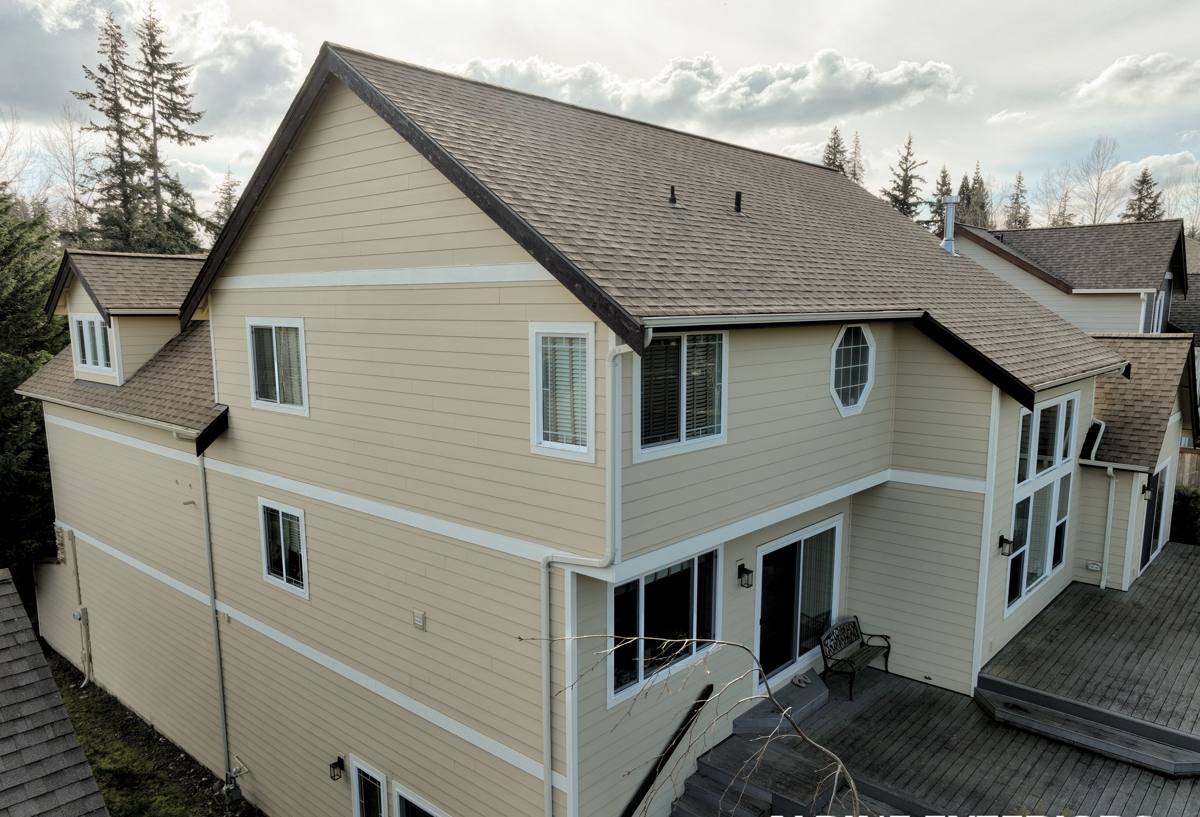
What Florida Weather Actually Does to a Deck
UV and Heat
Pinellas County gets sun exposure most of the year, and that constant UV load breaks down surface finishes over time. Cheaper composite boards without a real capstock can fade, chalk, or go brittle at the surface faster than better-engineered products. Heat cycling also matters — boards expand and contract daily, and if the gaps and fastening pattern weren't set up to allow for that movement, you get buckling, popped screws, or boards that no longer sit flush.
Wind-Driven Rain and Moisture
Rain in this part of Florida rarely falls straight down. Wind pushes it sideways and underneath structures, which means the substructure — the joists, beams, and ledger connections — takes on more moisture exposure than the visible boards do. This is where a lot of decks actually fail: not the composite decking itself, but rot or corrosion in the framing underneath it because the substructure wasn't protected or wasn't rated for the exposure.
Salt Air and Metal Fasteners
Even away from the immediate coastline, salt air carried inland accelerates corrosion on standard fasteners, brackets, and hardware. Hardware that's fine in a drier, inland climate can start rusting and losing holding strength within a few years here. The fasteners and connectors matter as much as the decking material.
Composite vs. Other Decking Materials
Homeowners usually narrow it down to a few options. Here's an honest comparison for this specific climate:
| Material | UV/Fade Resistance | Moisture Behavior | Maintenance | Typical Lifespan Here |
|---|---|---|---|---|
| Pressure-treated wood | Fades and grays without regular refinishing | Absorbs water, prone to warping and rot at fasteners | Annual sealing/staining recommended | 8–15 years before major repair |
| Composite (wood-plastic blend) | Good with a real capstock; poor without one | Doesn't absorb water like wood; can trap surface moisture without gapping | Periodic washing, no sealing needed | 20–30 years with correct install |
| Capped PVC decking | Very good, fully synthetic surface | Essentially waterproof board itself | Lowest maintenance | 25–30+ years |
We install composite and capped composite systems as our standard for Kenneth City projects because they strike the right balance of upfront cost, appearance, and long-term performance in this climate. We steer away from uncapped or bargain-tier composite boards — not because the category is bad, but because the thinner, unprotected surfaces on the cheapest products don't hold up to sustained Florida UV and moisture the way a properly capped board does. That's a standard we hold ourselves to, not a claim about any specific manufacturer.
Board Fastening and Gapping
Composite boards need consistent gapping between boards and at end joints to allow for thermal movement. Too tight, and boards buckle in summer heat. Too loose, and the deck looks sloppy and can trap debris. We set gapping to the manufacturer's specification for our climate zone, not a generic rule of thumb.
Ventilation Underneath
Composite decking sheds water at the surface but the framing underneath still needs airflow to dry out after wind-driven rain gets under the deck. Low clearance, blocked skirting, or dense landscaping right up against the structure all trap moisture against the joists. We account for clearance and airflow at the design stage, not as an afterthought.
Hardware Grade
We use fasteners and structural connectors rated for coastal/high-corrosion exposure rather than standard interior-grade hardware. This is a small line-item cost difference that has an outsized effect on how long the substructure lasts.
Wind and Structural Considerations
Because this area is subject to hurricane-force wind events, a deck attached to a house isn't just a surface — it's a structure that needs to resist uplift and lateral load. That means correctly sized ledger board attachment (or a properly engineered free-standing frame when ledger attachment isn't appropriate), joist hangers rated for the load, and post connections that tie the structure down rather than relying on gravity and a few nails. Pinellas County permitting and inspection exists for exactly this reason, and we pull permits and build to the applicable code rather than treating it as optional paperwork.
Our Process for a Kenneth City Composite Deck
- On-site assessment — we look at sun exposure, drainage patterns, existing structure (if replacing an old deck), and how the deck ties into the house.
- Design and material selection — board style, color, substructure material, and railing/stair details, sized to your budget and the site conditions.
- Permitting — we handle the permit application and coordinate required inspections with the county so you don't have to manage that process yourself.
- Demo and framing — removal of any failing existing structure, then framing with corrosion-rated hardware and correct ledger/post connections.
- Decking installation — boards installed with manufacturer-specified gapping and fastening, including edge and stair details.
- Final walkthrough — we go over the finished deck with you before calling the job complete.
Living With a Composite Deck in This Climate
One of the real advantages of composite over wood is how little ongoing work it needs — but "low maintenance" doesn't mean "no maintenance." A few habits keep a composite deck performing for its full expected life here:
- Rinse or sweep off salt spray, pollen, and organic debris periodically rather than letting it sit and stain the surface
- Clean mildew or algae spots with a soft brush and a mild cleaner made for composite decking — avoid pressure washing at close range, which can damage the surface texture
- Check that gaps between boards stay clear of debris so water and airflow can move underneath
- Keep skirting vents and under-deck clearance free of dense vegetation or stored items that block airflow
- Inspect visible fasteners, railing posts, and stair connections once or twice a year for any looseness after storm season
- Address any standing water or drainage issues near the deck footings promptly rather than letting soil stay saturated against posts
What Drives the Cost
Every deck is different, but the same handful of factors move the price up or down on most projects in this area:
| Factor | Why It Matters |
|---|---|
| Deck size and shape | More square footage and more corners/cuts mean more material and labor |
| Board tier | Base composite vs. premium capped composite changes material cost per square foot |
| Height off grade | Taller decks need more substructure, railings, and often stairs |
| Substructure material | Pressure-treated wood framing vs. composite/aluminum framing changes cost and long-term durability |
| Demo of existing structure | Removing a failing old deck adds labor before the new build starts |
| Railing and stair details | Custom railing systems and multiple stair runs add material and install time |
We give a firm, itemized quote before any work starts so you know exactly what you're paying for and why — no vague allowances that turn into surprises later.
Why Hire a Crew That Already Works This Area
Building a deck that holds up in Kenneth City isn't just about using good composite boards — it's about understanding how the local wind loads, moisture patterns, and Pinellas County permitting process interact with the build. A crew that installs decks across St. Petersburg and the surrounding Pinellas County communities has already worked through the inspection requirements, seen which substructure details actually hold up to a few hurricane seasons, and knows which hardware and gapping choices are worth the extra cost here versus in a milder climate. That local experience shows up in fewer callbacks and a deck that's still solid a decade or more later.
If you're weighing a new composite deck or need to replace one that's showing its age, we're happy to take a look and give you a straightforward, no-pressure estimate — just fill out the form below.