 St. Petersburg Siding
 Siding Installation in Pinellas Park: Built for the Climate, Not Just the Curb Appeal
Pinellas Park sits inland from Tampa Bay but still lives under the same Gulf Coast weather pattern as the rest of Pinellas County: long, intense sun exposure almost year-round, sudden wind-driven downpours in the summer, and the real possibility of tropical storm or hurricane winds during the season. Siding here isn't just an appearance upgrade — it's the primary barrier between your home's frame and a climate that works against building materials 365 days a year. A siding job that would hold up fine in a mild, dry climate can fail in a fraction of the time here if it isn't installed with this environment in mind.
This page focuses specifically on what siding installation looks like when it's done correctly for a Pinellas Park home — the climate stresses involved, what a proper install actually requires, and why the contractor's local experience matters as much as the product on the truck.
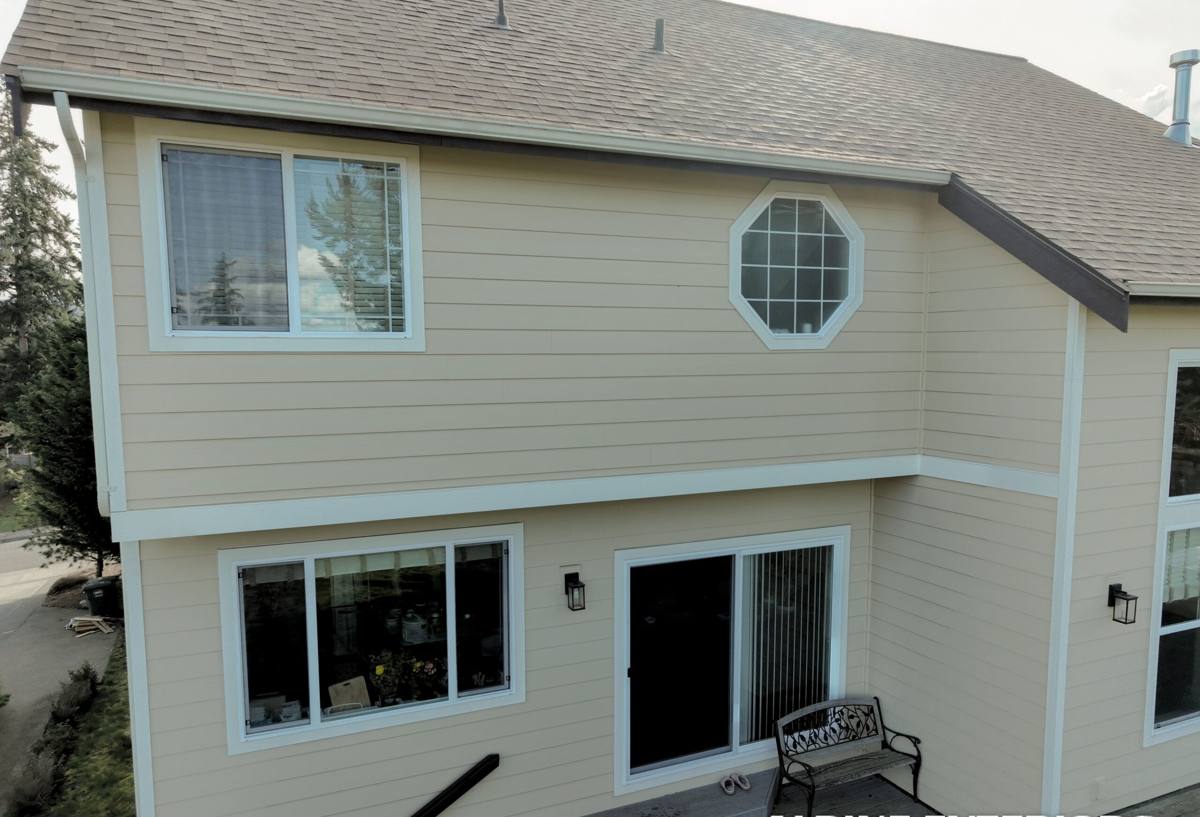
What Pinellas County's Climate Does to Siding Over Time
Sun and Heat
Florida's UV load is among the highest in the continental United States. Siding faces direct, high-intensity sun for most of the year, and that UV exposure breaks down pigments, softens or embrittles certain plastics and composites, and accelerates the aging of any factory finish that wasn't engineered for it. A finish that looks fine in a showroom in a milder climate can start fading, chalking, or losing adhesion within a few years under Pinellas Park sun.
Wind-Driven Rain and Moisture
Summer storms in this part of Florida rarely fall straight down. Wind pushes rain sideways into wall assemblies, which means siding, flashing, and seams get tested from angles that a lot of installation shortcuts don't account for. Water that gets behind siding and can't escape leads to trapped moisture, and trapped moisture behind a wall is one of the most common — and most expensive — sources of hidden damage in Florida homes.
Salt Air and Coastal Proximity
Pinellas Park isn't beachfront, but it's part of a peninsula surrounded by saltwater on multiple sides, and salt-laden air moves inland with prevailing winds. Over time, airborne salt accelerates corrosion of exposed metal fasteners and trim, and it interacts with certain siding materials and finishes in ways that inland-climate products simply weren't designed for.
Hurricane Season Wind Loads
Pinellas County building code reflects the real risk of hurricane-force and near-hurricane wind events. Siding has to be rated and fastened to resist significant wind pressure and wind-borne debris impact, not just look good on a calm day. An installation that skips manufacturer-specified fastening patterns may pass a casual glance but fail exactly when it matters most — during a storm.
What a Correct Siding Installation Actually Involves
Siding is a system, not just a surface. Getting it right in Pinellas Park means paying attention to layers most homeowners never see once the job is finished.
Weather-Resistive Barrier and Flashing
Behind every properly installed siding job is a continuous weather-resistive barrier and correctly integrated flashing at every window, door, and penetration. This layer is what actually keeps wind-driven rain out of the wall cavity — the siding itself is the first line of defense, but the barrier and flashing are what stop a leak from becoming rot or mold. Gaps, shortcuts, or missed transitions here are invisible on install day and expensive months or years later.
Fastening and Manufacturer Specs
Every siding product has a manufacturer-specified fastening pattern — nail or screw type, spacing, and placement — engineered for wind resistance. In a wind-exposed climate like this one, deviating from spec (wrong fastener, wrong spacing, over-driven nails) isn't a minor shortcut. It's the difference between siding that stays put in a storm and siding that peels off in high wind.
Joints, Seams, and Trim Details
Butt joints, corners, and trim transitions are where water intrusion most often starts. Correct installation means these details are sealed, flashed, or engineered to shed water — not just caulked and hoped for. Caulk is a maintenance item, not a substitute for correct flashing and lap detail.
Proper Clearances
Siding needs the right clearance from grade, roof lines, and other transitions so water has somewhere to go and the bottom edge of the material isn't sitting in standing moisture. This is a simple detail that's easy to overlook and very expensive to fix after the fact.
Why We Install Only James Hardie Fiber Cement
We standardized on James Hardie fiber cement siding for every home we work on, including in Pinellas Park, because it's engineered for exactly the conditions this region deals with: high heat, UV, humidity, wind-driven rain, and storm-force wind events. Hardie's HZ5 product line in particular is formulated for Florida-specific climate exposure, and the ColorPlus factory finish is baked on and warrantied against fading in a way that field-applied paint isn't.
Fiber cement is also non-combustible, which matters in a state where wildfire and ember exposure are a real, if secondary, consideration, and it doesn't share the moisture-sensitivity or UV-degradation issues that some engineered wood and composite products carry. We won't put a product on a Pinellas Park home that we don't believe will hold up to this specific climate for decades, and that's the reason our answer is Hardie, consistently, rather than choosing a different product for every job.
| Consideration | Why It Matters in Pinellas Park |
|---|---|
| UV and finish stability | Near year-round intense sun demands a factory finish engineered against fading and chalking |
| Moisture behavior | Wind-driven rain requires a material that resists water damage rather than absorbing and swelling |
| Wind resistance | Storm and hurricane-season wind loads require rated products installed to exact fastening specs |
| Combustibility | Non-combustible fiber cement adds a layer of fire resistance vinyl and wood products don't offer |
| Long-term maintenance | A stable, factory-finished product means less repainting and patching over the life of the siding |
Our Installation Process
Every Pinellas Park siding project follows the same disciplined sequence, whether it's a full re-side or a targeted section replacement:
- On-site evaluation of the existing wall assembly, including sheathing condition and any signs of prior moisture intrusion
- Removal of old siding and inspection of the substrate before anything new goes up
- Repair or replacement of any compromised sheathing — new siding should never go over a damaged wall
- Installation of a continuous weather-resistive barrier with properly lapped and sealed seams
- Flashing installed at every window, door, and penetration point before siding goes on
- James Hardie panels or planks installed to manufacturer fastening specifications for this wind zone
- Trim, corners, and joint details finished to shed water rather than rely on caulk alone
- Final walk-through so you understand what was done and what maintenance, if any, is expected going forward
Signs Your Pinellas Park Home May Need New Siding
Siding problems in this climate don't always announce themselves loudly. A few things worth paying attention to:
- Visible warping, buckling, or soft spots when pressed
- Persistent fading, chalking, or discoloration that doesn't wash off
- Cracked or separated seams and trim joints
- Bubbling paint or a musty smell along interior walls that share an exterior wall
- Visible gaps where siding meets windows, doors, or the roofline
- Rising energy bills that suggest the wall assembly is no longer performing as insulation
Any one of these on its own might be minor. Several together, especially after a storm season, are worth a professional look before they turn into a structural issue.
Choosing a Siding Contractor Who Knows Pinellas Park
Pinellas County's building code, wind zone requirements, and permitting process aren't identical to inland Florida or out-of-state markets. A contractor who works this area regularly knows what inspectors look for, what fastening and flashing details actually hold up locally, and how to sequence a job around Florida's rain patterns so your home isn't sitting open to the weather longer than necessary. That local familiarity is part of the value — not just the crew's hands, but their judgment about how this specific climate treats a wall assembly over time.
When vetting any siding contractor in this area, it's reasonable to ask about their licensing, their experience with wind-zone-rated installation, and how they handle sheathing repair if it's found during tear-off. A contractor who's confident enough to answer those questions in detail is usually a contractor who does the work right the first time.
Cost Factors for Pinellas Park Siding Projects
| Factor | Why It Affects Cost |
|---|---|
| Home size and wall complexity | More surface area, corners, and trim detail means more material and labor |
| Substrate condition | Sheathing repair or replacement adds cost but is essential if damage is found |
| Siding profile and accessories | Lap, shingle, or panel styles and trim choices vary in material and labor cost |
| Removal and disposal | Tear-off of old siding adds labor and disposal costs versus new construction |
| Access and site conditions | Multi-story sections or tight lot access can affect equipment and labor time |
Exact pricing depends on the specifics of your home, but a straightforward, honest estimate — walking your property, checking the substrate, and explaining what your home actually needs — is the only way to give you a number you can trust.
Get a Free, No-Pressure Estimate
If your Pinellas Park home's siding is showing its age, or you're planning ahead of the next storm season, we're happy to take a look and walk you through what we see — no obligation, no pressure. Use the form below to schedule a free estimate.