 St. Petersburg Siding
 Why Pinellas Park Roofs Need to Be Built for This Climate
Pinellas Park sits inland from Tampa Bay but still takes the full brunt of Pinellas County's weather: hurricane-force wind gusts during tropical systems, wind-driven rain that gets pushed sideways into every seam and penetration, and some of the most intense year-round UV exposure in the country. Add the salt-laden air that drifts across the peninsula from both the Gulf and the Bay, and you have a climate that is genuinely hard on a roof. Asphalt shingles granulate and curl under that UV load faster here than in most of the country, and standard fasteners corrode faster in salt air than manufacturers' national warranty language usually accounts for.
Metal roofing, done correctly, handles this combination better than almost any other roofing material available to homeowners. It doesn't rely on granules that wear off, it sheds wind-driven rain instead of absorbing it, and modern coatings are formulated specifically to resist UV breakdown and salt exposure. The word correctly is doing a lot of work in that sentence, though — a metal roof installed with the wrong fastening pattern, the wrong underlayment, or mismatched metals will fail in this climate just as fast as anything else, sometimes faster.
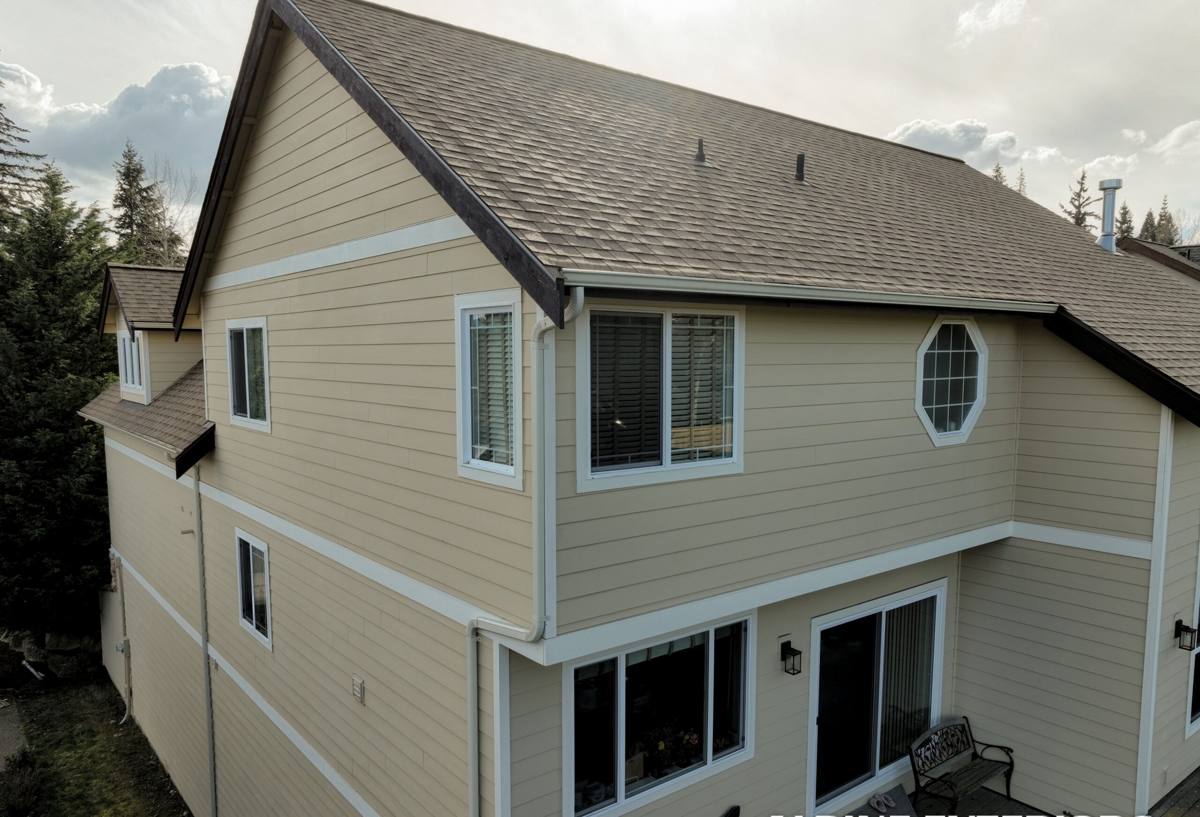
What a Correctly Installed Metal Roof Actually Involves
A metal roof is only as good as the details underneath and around the panels. In a wind- and rain-heavy market like Pinellas County, three things separate a roof that performs for decades from one that leaks or lifts in the first serious storm.
Deck and Underlayment
The panels are the visible part, but the roof deck and underlayment do the real work of keeping water out if wind ever drives rain underneath a seam or around a penetration. We check the deck for soft spots, delamination, and old fastener holes before anything goes down, and we use a high-temperature synthetic or self-adhering underlayment rated for the sustained heat a metal roof can hold in direct Florida sun. Skipping or skimping on this layer is one of the most common shortcuts we see on jobs we're called to fix.
Fastening and Panel Attachment
How a panel is attached matters more than what the panel is made of. Concealed-fastener systems (standing seam) rely on clips engineered for a specific wind uplift rating; exposed-fastener panels rely on screws with the correct spacing, correct pitch, and a gasket that won't dry out and crack within a few Florida summers. Either system can perform well in this climate — but only if the fastening pattern actually matches the wind exposure of that specific roof, not a generic spec sheet.
Flashing, Vents, and Penetrations
Most metal roof leaks don't happen in the field of the panel — they happen at valleys, wall transitions, pipe boots, and ridge vents. Wind-driven rain in a coastal county finds every gap that a straight-down rain would never reach. Correct flashing detail at these transitions, with compatible metals and proper sealant, is where experience with this specific climate shows up.
Choosing a Metal Roofing System for a Pinellas Park Home
Not every metal roofing product is a good fit for every home or budget. The table below compares the systems we most often install or discuss with Pinellas Park homeowners.
| System | Wind & Water Performance | Maintenance | Best Fit |
|---|---|---|---|
| Standing seam (concealed fastener) | Excellent — no exposed fasteners to work loose or corrode | Low | Homeowners planning to stay long-term; higher upfront cost |
| Exposed-fastener panel (5-V, corrugated) | Good, if fastener spacing and gaskets are correct and rechecked over time | Moderate — fasteners and gaskets need periodic inspection | Budget-conscious projects, secondary structures, some full-home installs |
| Stone-coated steel shake/tile profile | Good; mimics shingle or tile appearance with metal's wind resistance | Low to moderate | Homeowners who want a traditional look with metal's durability |
Cost varies by panel type, roof complexity, and the gauge of metal chosen, but as a broad range, expect exposed-fastener systems to run less per square than standing seam, with stone-coated products falling in between. We'll walk through real numbers for your specific roof during an on-site estimate rather than quoting a number that doesn't account for your roof's pitch, penetrations, or access.
Wind Ratings, Building Code, and Insurance Considerations
Pinellas County falls under the Florida Building Code's wind-borne debris and high-wind provisions, and every metal roofing job we do here is engineered and fastened to the wind speed rating that applies to your address, not a generic national minimum. A permit through the appropriate local building department is part of a legitimate metal roof installation — not an optional extra.
Beyond code compliance, a properly documented metal roof installation can factor into your homeowner's insurance wind mitigation inspection. Insurers look at roof covering, roof deck attachment, roof-to-wall connections, and secondary water resistance when calculating wind mitigation credits. A correctly installed and documented metal roof can help on several of those line items, though the exact discount depends on your carrier and your home's full inspection, not the roof alone.
Fighting Salt Air Corrosion: Material and Coating Choices
Even homes in Pinellas Park that aren't directly on the water sit close enough to Tampa Bay and the Gulf that salt-laden air is a real factor in material selection. This is where a lot of national roofing advice falls short for our area.
Steel vs. Aluminum
Galvalume steel is a strong, cost-effective choice and performs well across most of Pinellas County when properly coated and detailed. Aluminum doesn't rust and holds up exceptionally well in salt exposure, which is why we lean toward it or a marine-grade coated steel for homes closer to open water. The right call depends on your specific location, budget, and the panel profile you want.
Coatings and Fasteners
A PVDF (Kynar-type) paint finish resists fading and chalking far better than lower-grade coatings under Florida's UV load, and it holds color longer near salt air. Fasteners matter just as much as panels — we use corrosion-resistant fasteners matched to the panel metal to avoid galvanic corrosion, a problem that shows up as rust streaking and early fastener failure when mismatched metals are used together.
Attic Heat and Energy Efficiency in Florida Sun
Pinellas County gets some of the most consistent direct sun in the state, and that sun translates directly into attic heat, which then becomes a cooling bill. Reflective metal roofing finishes bounce back a meaningful share of solar radiant heat compared to dark asphalt shingles, which absorb and hold heat throughout the afternoon and into the evening. Pairing a reflective panel finish with proper attic ventilation — ridge vents, soffit intake, or both — makes a real difference in how hard your air conditioning has to work during the hottest months, which is most of the year here.
This isn't a reason by itself to choose metal roofing, but it's a real, ongoing benefit on top of the wind and water performance that usually drives the decision, and it's worth factoring into your overall cost comparison against reroofing with shingles.
Our Process for a Pinellas Park Metal Roofing Project
Every metal roof we install in Pinellas Park follows the same disciplined sequence, adjusted for the specifics of your roof:
- On-site inspection of the existing roof, deck condition, and any problem areas (valleys, chimneys, past leak points)
- Written estimate that spells out panel type, gauge, coating, underlayment, and fastening plan — not just a total price
- Permitting through the local building department before any work begins
- Tear-off (or documented direct-to-deck installation where code allows) and deck repair as needed
- High-temperature underlayment installation across the full deck
- Panel installation with wind-rated fastening or clip spacing specific to your address
- Flashing, vent, and penetration detailing, followed by a final walkthrough with you
Before signing with anyone for a metal roof in this area, it's worth confirming a few basics:
- They pull a permit and the wind rating is specified in writing, not verbal
- The estimate names the actual panel gauge, coating type, and fastener type — not just "metal roof"
- They carry current license and insurance you can verify independently
- They explain how flashing and penetrations will be handled, not just the panels
- They give you a maintenance expectation up front, not just an installation date
Maintenance That Keeps a Metal Roof Performing in This Climate
A correctly installed metal roof is low-maintenance, not no-maintenance. In Pinellas County's salt air and storm exposure, a periodic rinse to clear salt residue and debris, along with a visual check of sealant at penetrations and fastener condition on exposed-fastener systems, goes a long way toward hitting the full service life of the roof. After any major storm, a quick check for lifted panels, damaged flashing, or debris impact is worth the time even if nothing looks obviously wrong from the ground.
Why a Crew That Already Works in Pinellas Park Matters
Pinellas Park has its own mix of older single-story homes and newer construction, its own permitting process through the local building department, and its own practical realities — narrower lots, mature trees near rooflines, and HOA requirements in some neighborhoods. A crew that already works this area knows the wind speed requirements that apply here, has an existing relationship with the permitting office, and has seen how the local climate treats different roofing products over time rather than guessing from a spec sheet written for a different part of the state. That local track record is worth as much as the product you choose.
If you're weighing a metal roof for your Pinellas Park home, we're glad to walk your roof with you and give you a straight, no-pressure estimate — use the form below to get started.