 St. Petersburg Siding
 Building a Deck That Actually Holds Up in Pinellas Park
Pinellas Park sits in one of the more demanding climates in the country for outdoor construction. A deck here isn't just a weekend carpentry project — it's a structure that has to survive intense year-round UV exposure, wind-driven rain, hurricane-force winds during storm season, and the slow corrosive effect of salt air drifting in off Tampa Bay and the Gulf. A deck built the way it might be built in a drier, milder climate will show problems here within a few years: cupped boards, rusted fasteners, soft framing, loose railings. A deck built correctly for this part of Pinellas County can last decades with reasonable upkeep.
This page covers what actually matters when you're having a custom deck built in Pinellas Park — the material choices, the structural details, the hardware, and the process — so you know what to look for whether you hire us or someone else.
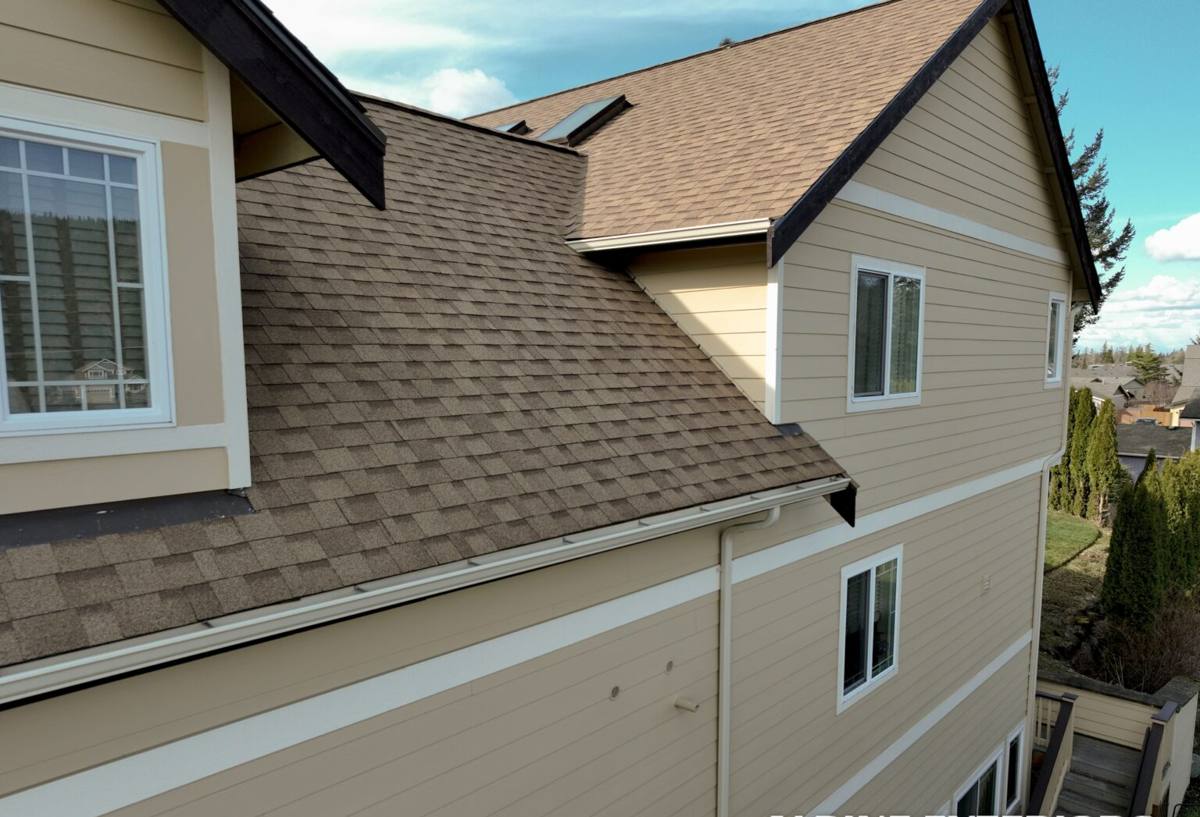
What Florida Conditions Do to a Poorly Built Deck
Understanding the failure modes helps explain why certain construction choices matter more here than in other parts of the country.
- UV exposure: Florida gets sun intensity most of the year, not just in summer. Untreated or poorly finished wood grays, cracks, and splinters faster here than almost anywhere else in the U.S.
- Wind-driven rain: Storms in this region don't just drop rain straight down — wind pushes water sideways and up under boards, into ledger connections, and behind fascia. Any gap in flashing or sealing becomes a moisture entry point.
- Hurricane-force wind loads: Railings, post connections, and ledger attachments all need to resist uplift and lateral force, not just support the weight of people standing on the deck.
- Salt air corrosion: Even a few miles inland, salt-laden air accelerates rust on standard fasteners and hardware. Once a fastener starts rusting, it weakens from the inside long before it looks bad on the surface.
- Humidity and ground moisture: Florida's high humidity and often-saturated soil mean wood framing that isn't rated for ground contact or sealed properly stays damp longer, inviting rot and termites.
Choosing the Right Decking Material
There's no single "best" decking material — there's a best fit for your budget, how much upkeep you want to do, and how the deck will be used. Here's how the common options compare for a Pinellas Park backyard.
| Material | UV / Fade Resistance | Moisture Behavior | Maintenance | Typical Lifespan Here |
|---|---|---|---|---|
| Pressure-treated pine | Fades and grays without regular refinishing | Prone to warping/cupping if not sealed | Needs re-staining or sealing every 1-2 years | 10-15 years with upkeep |
| Composite decking | Good; capped composites resist fading well | Won't rot; handles humidity well | Occasional washing, no staining/sealing | 25+ years |
| PVC decking | Excellent | Fully moisture-resistant, won't absorb water | Low; occasional cleaning | 25-30+ years |
| Tropical hardwoods (e.g., ipe) | Very good if oiled regularly | Naturally dense and rot-resistant | Annual oiling to maintain color and moisture resistance | 25+ years with upkeep |
We install all of these, and we'll walk you through the honest tradeoffs rather than pushing whatever has the best margin. Pressure-treated wood costs less up front but demands the most ongoing attention in this climate — if you're not going to keep up with sealing and staining, it will show wear faster than composite or PVC. Composite and PVC cost more initially but make sense for homeowners who want a deck that looks the same in year ten as it did in year one without a maintenance routine. Hardwoods sit in between — beautiful and genuinely durable, but only if the oiling schedule actually gets kept.
Fastener and Hardware Compatibility
Whatever decking material you choose, the fasteners and structural hardware matter just as much. In a salt-air environment, we use fasteners and connectors rated for coastal or corrosive exposure — not standard galvanized hardware that looks fine in the box but starts breaking down within a couple of storm seasons. This is one of the most common corners cut on lower-bid deck jobs, and it's usually invisible until the hardware fails.
Framing and Structural Details That Matter Here
The framing is the part of the deck nobody sees once it's finished, which is exactly why it's where corners get cut. In Pinellas Park, a few structural details deserve extra attention:
Ledger Board Attachment
If your deck attaches to the house, the ledger board connection is one of the most critical — and most commonly mishandled — parts of the whole structure. It needs proper flashing to keep wind-driven rain from working its way behind the ledger and into your home's wall assembly, plus fasteners sized and spaced to resist both the vertical load of the deck and lateral wind forces.
Post and Beam Connections
Hurricane-force wind events put real uplift and lateral stress on a deck structure. Post bases, beam-to-post connections, and railing posts should be tied down with rated structural connectors, not just toe-nailed or lag-bolted in a way that relies on wood friction alone.
Footings
Footing depth and sizing need to account for local soil conditions and Florida Building Code requirements for this region. Undersized or shallow footings are a common source of deck movement and settling over time, especially after heavy rain saturates the ground.
Permitting in Pinellas County
Most custom deck projects in St. Petersburg and Pinellas Park require a building permit and inspection, particularly for structures attached to the home or built above a certain height. This isn't a formality — it's the mechanism that catches undersized framing, bad ledger attachments, or missing hardware before they become a hidden problem under your feet. We handle the permitting process as part of the job, and we build to pass inspection the first time, not to squeak by.
Our Process for a Pinellas Park Deck Project
- On-site consultation: We walk your property, talk through how you'll use the deck, and take real measurements — not a phone estimate.
- Design and material selection: We help you weigh decking material, layout, railing style, and any extras (built-in seating, stairs, multi-level design) against your budget and maintenance preferences.
- Permitting: We prepare and submit the paperwork required for your project and schedule inspections at the right points.
- Site prep and framing: Footings, posts, beams, and ledger attachment done to spec, with corrosion-resistant hardware throughout.
- Decking, railing, and finish work: Installation of your chosen decking material, railings, stairs, and any trim or lighting.
- Final walkthrough and inspection: We review the finished deck with you and confirm it passes final inspection.
What to Check Before You Hire Anyone for Deck Work
Whether you go with us or another contractor, these are the things worth confirming before signing anything:
- Are they licensed and insured to do structural/exterior work in Florida?
- Will the project be permitted and inspected, or is it being framed as "no permit needed" to save time?
- What specific fasteners and hardware are they using — standard galvanized, or coastal/corrosion-rated?
- Do they have experience with the ledger and flashing details specific to attached decks in this climate?
- Is the quote itemized enough that you know what materials you're actually getting?
- Do they have local experience — have they built decks elsewhere in St. Petersburg or Pinellas County recently?
Maintaining Your Deck After It's Built
Even a well-built deck needs some basic upkeep to get its full lifespan out of Pinellas County's climate. What that upkeep looks like depends heavily on the material you chose:
- Pressure-treated wood: plan on cleaning and re-sealing or re-staining roughly every year or two, more often on south- or west-facing decks with heavy sun exposure.
- Composite and PVC: periodic washing to remove pollen, salt residue, and mildew; no sealing or staining required.
- Hardwoods: annual oiling to maintain both appearance and moisture resistance.
- All materials: keep gutters and downspouts directing water away from the deck footings, and check railing and stair hardware after major storms for looseness.
- All materials: sweep debris out from between boards regularly so moisture doesn't sit trapped against the decking.
Why Local Experience in Pinellas Park Matters
A deck contractor who works this specific area regularly understands things a crew from outside the region has to learn the hard way: how Pinellas County inspectors expect ledger flashing and footings to be done, which fastener and hardware grades actually hold up against the salt air coming off the bay, and how to sequence a build around Florida's rainy season so framing isn't sitting exposed to weather longer than it needs to be. That local familiarity shows up in fewer inspection delays, fewer callbacks, and a deck that's built right the first time instead of one that needs early repairs.
If you're planning a custom deck in Pinellas Park, we're happy to walk your property and put together a straightforward, no-pressure estimate — no obligation, just an honest look at what your project would involve. Use the form below to get started.