 St. Petersburg Siding
 Why Pinellas Park Roofs Take More Punishment Than Most
Pinellas Park sits in the middle of a peninsula that gets hit from every direction — Tampa Bay to the east, the Gulf to the west, and open sky overhead for roughly 230 sunny days a year. That combination is rough on any roofing material, but it's especially hard on asphalt shingles, which rely on their granule coating and adhesive seal strips to stay put and stay waterproof. In Pinellas County, a shingle roof has to survive intense year-round UV that bakes oils out of the asphalt mat, sudden downpours that test every seam and flashing detail, and tropical-system winds that can lift a poorly fastened shingle in seconds.
Salt-laden air moving inland off the bay adds another layer of wear that homeowners further from the coast never have to think about. It accelerates corrosion on exposed metal — nail heads, flashing, vent caps — long before the shingles themselves show their age. A roof installed the same way you'd install one in Ohio or even inland Florida will underperform here. The fasteners, the flashing metal, the ventilation, and the shingle class all need to be chosen with this specific exposure in mind.
What "Correct" Actually Means for a Shingle Roof Here
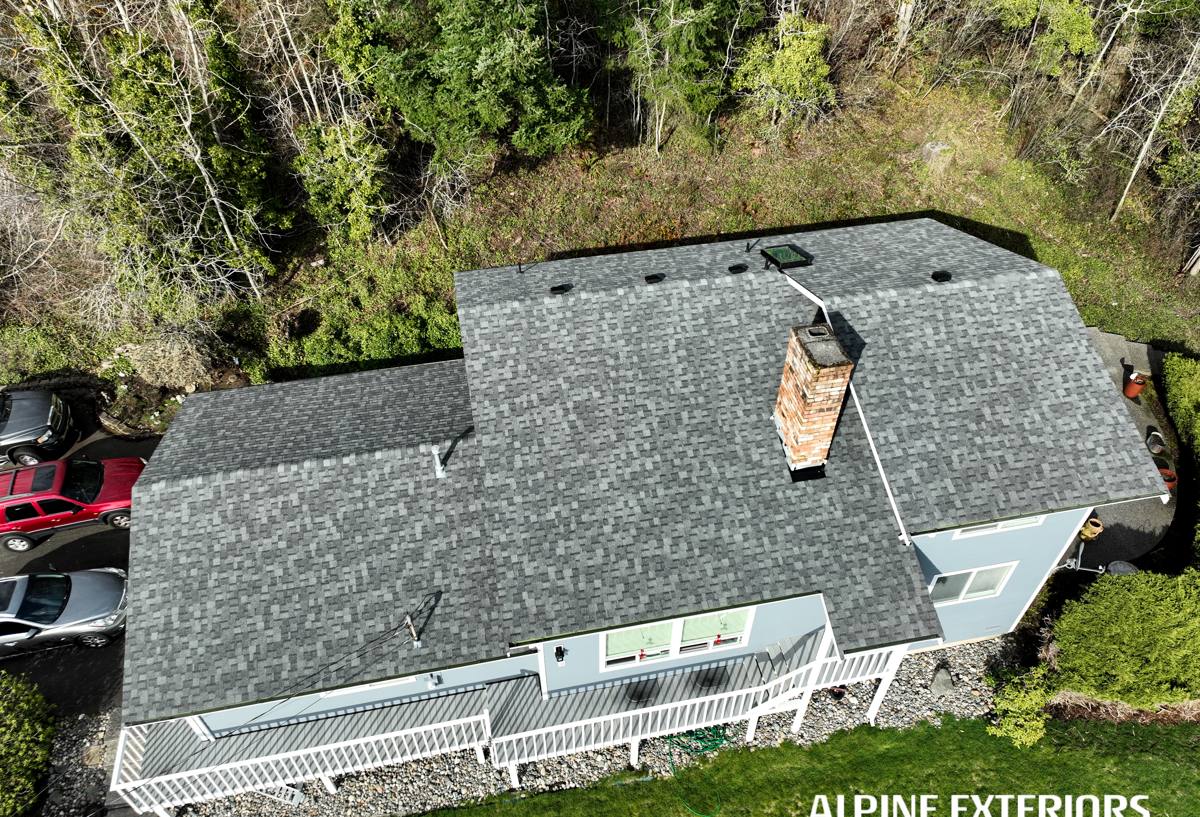
A lot of roofing problems we get called out to inspect aren't shingle failures — they're installation shortcuts that only show up once a storm or a few Florida summers have passed. A correct asphalt shingle installation in this area accounts for wind uplift, water intrusion at every penetration, and heat buildup in the attic, not just the finished look from the street.
Fastening for Wind
Manufacturers rate their shingles for wind resistance based on a specific nailing pattern and nail count — usually four to six nails per shingle depending on the product and the roof's wind exposure. Skipping nails, using staples, or nailing too high on the shingle is one of the most common reasons we see wind damage concentrated at eaves, rakes, and ridges after a storm, even when the rest of the roof held up fine.
Sealing Every Penetration
Every pipe boot, vent stack, and roof-to-wall transition is a place water can get in. Pinellas Park's mix of hard, wind-driven rain and long dry spells is tough on rubber pipe boots in particular — the rubber dries out and cracks faster here than in milder climates, so boot quality and flashing detail matter more than they would elsewhere.
Choosing a Shingle Class for This Climate
Not every asphalt shingle sold at a supply house is built for coastal Florida wind exposure. The three broad categories homeowners choose between differ in wind rating, algae resistance, and price — and for a Pinellas Park roof, wind rating and warranty structure deserve more weight than they would in a low-wind market.
| Shingle Type | Typical Wind Rating | Expected Lifespan Here | Best Fit |
|---|---|---|---|
| 3-Tab | Lower wind rating, lighter weight | 12–18 years in this climate | Budget-driven projects, rental properties |
| Architectural / Laminate | Higher wind rating, layered construction | 18–25+ years with proper install | Most owner-occupied homes |
| Impact-Rated Architectural | Highest wind rating, Class 4 impact resistance | Comparable to standard architectural, often with insurance premium credit | Homes seeking storm resilience and possible insurance savings |
Architectural shingles have become the standard recommendation for most Pinellas Park homes because their heavier mat and layered profile hold up better to wind uplift and sun exposure than 3-tab products, and most manufacturers back them with stronger wind-warranty terms. Impact-rated shingles cost more up front but are worth pricing out — ask your insurance carrier whether they offer a premium credit for Class 4 impact resistance before you decide it's not worth the difference.
A Note on Product Selection
We install from a small number of established shingle lines rather than chasing whatever's cheapest that week. That's a standard we hold ourselves to, not a knock on every other product on the market — it just means every roof we put on has a documented wind rating, a real manufacturer warranty, and a track record we can stand behind if a homeowner ever needs to file a claim.
What's Underneath Matters as Much as the Shingles
Shingles get all the attention because they're what you see, but a roof's actual performance in a Pinellas County storm comes down to the layers underneath.
Underlayment
A synthetic or self-adhering underlayment is your roof's backup waterproofing layer if wind ever drives rain up under a shingle edge. In a climate with this much wind-driven rain, we treat underlayment as a functional requirement, not an upsell — particularly at eaves and valleys, where self-adhering membrane gives real protection against ice-dam-style backup (which here is caused by wind-driven rain pooling, not ice).
Flashing
Step flashing at walls, counter-flashing at chimneys, and drip edge at eaves and rakes all need to be sized and installed correctly, not just caulked and hoped for. Caulk is a maintenance item, not a waterproofing strategy — it degrades in UV and salt air faster than the metal it's covering.
Ventilation
Attic heat in a Pinellas Park summer is intense, and a poorly ventilated attic shortens shingle life from underneath by cooking the mat and accelerating granule loss. Balanced intake (soffit vents) and exhaust (ridge vent or static vents) keep attic temperatures more manageable and protect the underside of the roof deck from moisture buildup during our humid months.
How We Approach a Pinellas Park Roofing Project
- Inspection and documentation. We check the deck condition, existing ventilation, flashing details, and any signs of prior leaks before we ever talk shingle brands.
- Honest scope and estimate. You get a clear breakdown of what's being replaced, what shingle class is recommended and why, and what it costs — no vague allowances.
- Permit and code compliance. We handle the required building permit and make sure the install meets current Florida Building Code wind provisions for this area.
- Tear-off and deck check. Old material comes off down to the deck so we can actually see and repair any rotted or soft sheathing before new material goes down.
- Underlayment, flashing, and shingle installation. Installed to manufacturer spec for nailing pattern and wind rating, not a generic pattern used everywhere.
- Ventilation check. We confirm intake and exhaust are balanced for the attic's size, adding or correcting vents where needed.
- Cleanup and final walkthrough. Magnetic sweep for nails, debris hauled off, and a walkthrough so you know exactly what was done.
Signs a Pinellas Park Roof Needs Attention
Most shingle roofs don't fail all at once — they show warning signs first. Worth checking after any significant storm or at least once a year:
- Granules collecting in gutters or at downspout outlets
- Shingles that look curled, cupped, or are missing entirely at edges and ridges
- Soft or discolored spots on ceilings, especially near chimneys, skylights, or wall intersections
- Visible daylight or gaps around pipe boots and vent flashing from the attic
- Nail heads backing out or visibly rusted flashing
- A noticeable increase in attic temperature or humidity compared to previous summers
- Shingles that feel spongy or deck that flexes underfoot during an inspection
Permits, Wind Mitigation, and Insurance
Roof replacement in Pinellas County requires a building permit and inspection — that's not optional paperwork, it's what confirms the work actually meets current wind provisions for this area. A licensed, established contractor pulling that permit themselves is one of the simplest ways to confirm they're not cutting corners.
Once the new roof is on, it's worth scheduling a wind mitigation inspection. Florida's uniform mitigation verification form documents features like your roof covering, deck attachment, and roof-to-wall connections, and insurers use it to calculate windstorm premium discounts. A newly installed, correctly fastened shingle roof with modern flashing can meaningfully change your homeowners insurance quote in this market — it's worth asking your agent about before you assume the discount isn't relevant to you.
Why Local Experience in Pinellas Park Matters
Roofing crews who work Pinellas Park and the surrounding St. Petersburg area regularly know which wind exposure category applies on a given street, which inspectors expect what, and which flashing details actually hold up to a real Tampa Bay-area storm season rather than a textbook one. That's different from experience installing shingles in a climate that never sees a tropical system or salt air.
It also matters for accountability. A crew that's planning to keep working in this community isn't going anywhere after the invoice is paid — if a flashing detail needs a second look after the next hard rain, you're calling a company that's still local, not chasing down someone from three counties away.
Keeping a Shingle Roof Healthy in This Climate
Asphalt shingles don't need much maintenance, but a little attention goes a long way in Pinellas County's climate:
- Clear gutters and downspouts a couple of times a year so water isn't backing up under the eave line during heavy rain
- Trim back overhanging branches that drop debris or hold moisture against the shingles
- Have the roof looked at after any named storm, even if there's no visible leak yet
- Re-caulk or replace exposed sealant at flashing points as part of routine upkeep, not just when it fails
- Keep an eye on attic ventilation, especially if you've added insulation or done other attic work since the roof went on
If you're weighing a repair against a full replacement, or just want an honest read on how much life is left in your current roof, we're happy to take a look. Fill out the form below for a free, no-pressure estimate on your Pinellas Park home.