 St. Petersburg Siding
 Siding Replacement Built for Old Northeast Homes
Old Northeast is one of St. Petersburg's older, established neighborhoods, and that means the housing stock skews toward homes that have already been through decades of Florida weather. Original wood siding, aging replacement siding from a prior renovation, or a product that was never suited to a coastal Pinellas County climate in the first place — we see all three regularly. Replacing siding here isn't just a cosmetic upgrade. It's the point where a home either gets a genuine, multi-decade barrier against the elements or ends up with another product that starts failing again within a handful of years.
We install James Hardie fiber cement siding exclusively, and this page explains what that means specifically for a home in Old Northeast — not siding in general, but siding replacement done right for this neighborhood's climate and housing character.
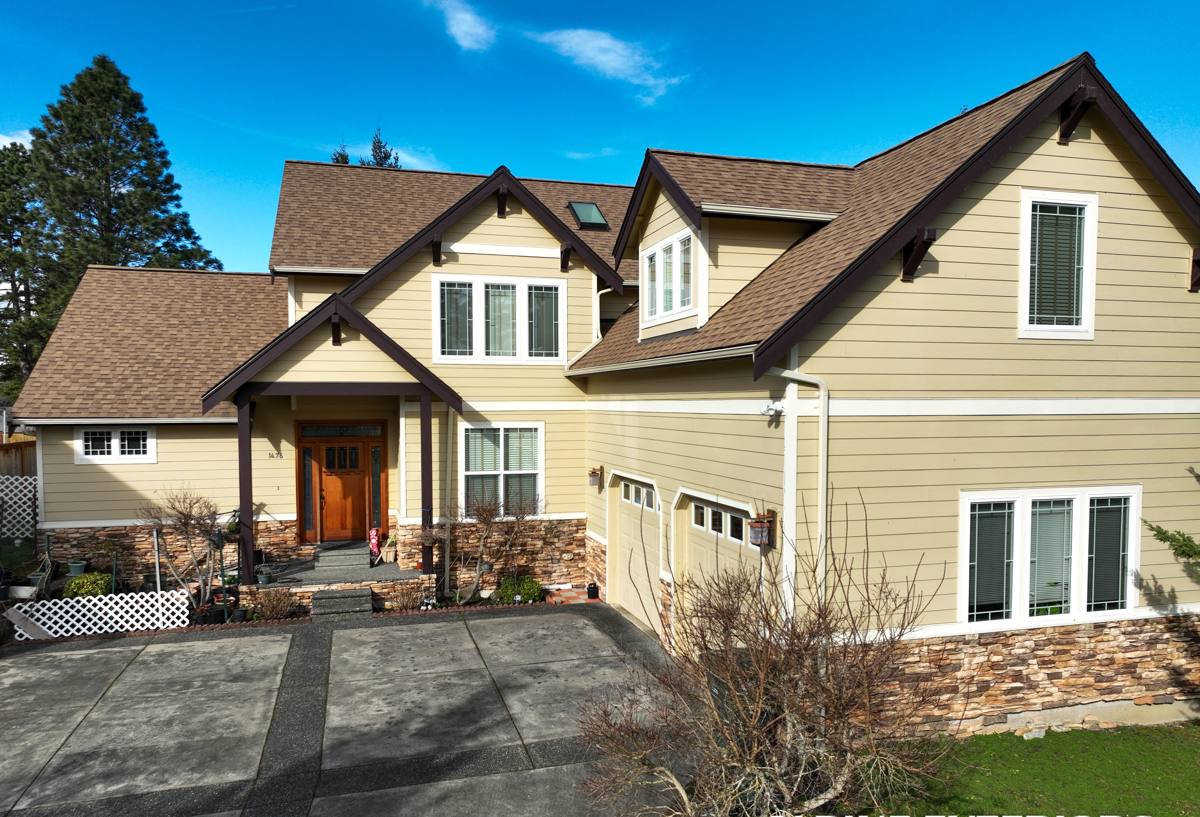
What St. Petersburg's Climate Actually Does to Siding
St. Petersburg sits on a peninsula, and Old Northeast is close enough to the water that homes take on a specific combination of stresses most inland siding never has to handle:
- Salt air corrosion: Airborne salt accelerates the breakdown of fasteners, trim, and any siding material that isn't formulated to resist it — including pitting metal components and degrading lower-grade coatings over time.
- Intense, year-round UV: Florida sun doesn't take an off-season. Cheap paint jobs and unstable finishes chalk, fade, and crack years before they would in a milder climate.
- Wind-driven rain: Tropical storms and the sudden, sideways summer downpours common to the Tampa Bay area drive moisture up under laps and into seams that aren't detailed correctly, which is where rot and hidden water damage start.
- Hurricane-force wind events: Pinellas County is squarely in the hurricane belt. Siding has to stay fastened and intact through real wind loads, not just look good on a calm day.
- Humidity, near year-round: Constant moisture in the air keeps wood-based products and their fasteners perpetually damp, which is the single biggest driver of rot in older siding systems.
None of this is unique to Old Northeast specifically, but the neighborhood's proximity to the water and its concentration of older homes means these stresses have often already been at work for a long time before a homeowner calls us.
What We Typically Find on Old Northeast Homes
Every house is different, but siding replacement calls in this part of St. Petersburg tend to fall into a few patterns:
Original or Older Wood Siding
Older homes in established St. Petersburg neighborhoods sometimes still carry original wood lap siding, or a wood replacement installed decades ago. Wood can look good for years, but it needs consistent repainting and caulking to hold up in this climate, and once maintenance lapses, moisture gets in fast. By the time we're called, it's common to find soft or delaminated boards, especially at the bottom courses and around window and door trim.
Aging Vinyl or Lower-Grade Replacement Siding
Homes that had siding replaced in past decades often got vinyl or a budget composite. Sun exposure this intense causes vinyl to fade unevenly, warp, and in some cases become brittle enough to crack in a strong wind event. It's rarely a structural problem on its own, but it's a clear sign the material wasn't built for this specific climate over the long haul.
Moisture Damage Around Penetrations
Wherever siding meets a window, door, vent, or utility penetration is where wind-driven rain finds its way in if flashing and sealant weren't detailed correctly the first time. We check these areas closely on every estimate, because what looks like a small cosmetic issue on the surface is frequently a sign of moisture that's been getting into the wall assembly for a while.
What Correct Siding Replacement Involves
Replacing siding correctly is not just pulling off old boards and nailing up new ones. For a coastal Pinellas County home, the process has to account for the substrate underneath as much as the siding itself.
Full Tear-Off and Inspection
We remove the existing siding down to the sheathing so we can actually see what's there. This is the only way to catch rot, water damage, or compromised framing before it gets sealed behind new material.
Repair Before Cover-Up
Any damaged sheathing or framing gets repaired or replaced before new siding goes on. Installing new siding over a damaged substrate just hides a problem that will keep getting worse.
Weather-Resistive Barrier
A proper house wrap or weather barrier goes on before the siding, giving the wall assembly a second line of defense against wind-driven rain that gets past the siding's outer surface.
Correct Fastening and Clearances
James Hardie siding has manufacturer-specified fastener types, spacing, and clearances from grade, roof lines, and other surfaces. These specs exist specifically to handle wind load and moisture management — skipping them is one of the most common ways an otherwise good product fails prematurely.
Flashing and Trim Detail
Every window, door, and penetration gets flashed and sealed as part of the installation, not as an afterthought. This is where most water intrusion problems originate, and it's also where corner-cutting is easiest to hide until years later.
Why We Install James Hardie and Nothing Else
We made a deliberate decision to install only James Hardie fiber cement siding, and it comes down to how the product performs against the specific stresses of a St. Petersburg climate:
- Non-combustible: Fiber cement doesn't feed a fire the way wood-based products can.
- Engineered for humid climates: Hardie's HZ5 product line is formulated specifically for high-humidity, high-moisture regions like the Gulf Coast, addressing the exact conditions Old Northeast homes deal with year-round.
- ColorPlus factory finish: The finish is baked on at the factory under controlled conditions, which holds up to intense UV far longer than field-applied paint and resists the fading and chalking we see on older, lower-grade siding.
- Resists moisture-driven failure: Fiber cement doesn't rot, and it holds up to wind-driven rain and humidity in a way wood-based sidings can't match over the long term.
- Strong, transferable warranty: Hardie backs the product with a warranty that reflects genuine confidence in how it performs, and it's transferable if the home sells.
We don't install LP SmartSide, vinyl, Cemplank, Allura, or primed wood siding. Each of those has a place in the market, but none of them is what we'd choose to put on our own homes in this climate, and we'd rather stand behind one product we trust completely than offer a menu of options with different long-term outcomes.
Comparing Siding Options for a Coastal St. Petersburg Home
| Factor | Wood Siding | Vinyl Siding | James Hardie Fiber Cement |
|---|---|---|---|
| UV/fade resistance | Poor without repainting | Moderate, fades and chalks over time | Strong, factory ColorPlus finish |
| Moisture/rot resistance | Poor, prone to rot | Doesn't rot, but seams can trap moisture behind it | Strong, engineered for humid climates |
| Wind performance | Depends on fastening and condition | Can crack or blow off in high wind | Strong when installed to spec |
| Fire resistance | Combustible | Combustible | Non-combustible |
| Maintenance | Regular repainting/caulking | Low, but limited repair options | Low, occasional caulking/inspection |
| Typical lifespan (installed correctly) | 15-25 years with upkeep | 20-30 years | 30-50 years |
Our Process for Old Northeast Siding Replacement
1. On-Site Estimate
We walk the home, look at the current siding, check trouble spots around windows, doors, and grade level, and talk through what we're seeing before we ever talk about material.
2. Written Scope and Product Selection
We put together a clear, written scope covering tear-off, repair work if needed, the Hardie product line and profile, and color, so there's no ambiguity about what's included.
3. Tear-Off and Substrate Repair
Old siding comes off, the sheathing gets inspected, and any repairs happen before anything new goes up.
4. Weather Barrier and Flashing
House wrap, flashing, and sealant go in around every penetration according to Hardie's installation specs.
5. Installation to Manufacturer Spec
Fastening, clearances, and joint treatment follow James Hardie's published requirements, which is what keeps the warranty valid and the siding performing as designed.
6. Final Walkthrough
We walk the finished job with the homeowner before calling it done.
Why Local Experience in This Neighborhood Matters
A crew that regularly works in Old Northeast and the surrounding St. Petersburg neighborhoods has already seen how homes of this age and construction type respond to Pinellas County's climate. That means recognizing rot patterns tied to older wood siding, knowing which detailing failures show up most often around this area's window and door styles, and understanding how hurricane season and salt air factor into a proper installation — not learning it on the job. It also means being available if a hurricane watch turns into something more serious and a homeowner needs siding secured or inspected quickly.
Questions to Ask Before Hiring a Siding Contractor Here
- Are they a certified or preferred installer for the fiber cement product they're proposing?
- Will they do a full tear-off and substrate inspection, or install over existing siding?
- What weather-resistive barrier and flashing details are included at windows, doors, and penetrations?
- Do they follow the manufacturer's fastening and clearance specs, and can they explain why those specs exist?
- What does the warranty actually cover, and is it transferable if the home is sold?
- Do they have experience with homes of a similar age and construction in this specific part of St. Petersburg?
If your Old Northeast home's siding is showing its age, chalking, warping, or you've noticed soft spots or moisture damage, we're happy to take a look. Reach out for a free, no-pressure estimate using the form below and we'll walk you through exactly what we see and what it would take to do the job right.