 St. Petersburg Siding
 Deck Replacement Built for Old Northeast's Older Homes
Old Northeast is one of St. Petersburg's older, established neighborhoods, and that shows in the housing stock: bungalows and traditional homes with mature tree canopy overhead, many of them built decades before today's building codes and fastener standards existed. A lot of the decks and elevated porches we see here were added or rebuilt at some point after the original construction, often without the ventilation, flashing, or hardware a deck actually needs to survive Pinellas County weather long-term. When a deck in this neighborhood starts feeling soft, springy, or visibly weathered, it's rarely a coincidence — it's usually a structure that was never quite matched to the climate it's sitting in.
Replacement, done right, is a chance to fix that instead of repeating it. This page covers what we look at specifically for Old Northeast homes, what a correct deck replacement involves in this climate, and how our process works from first call to final walkthrough.
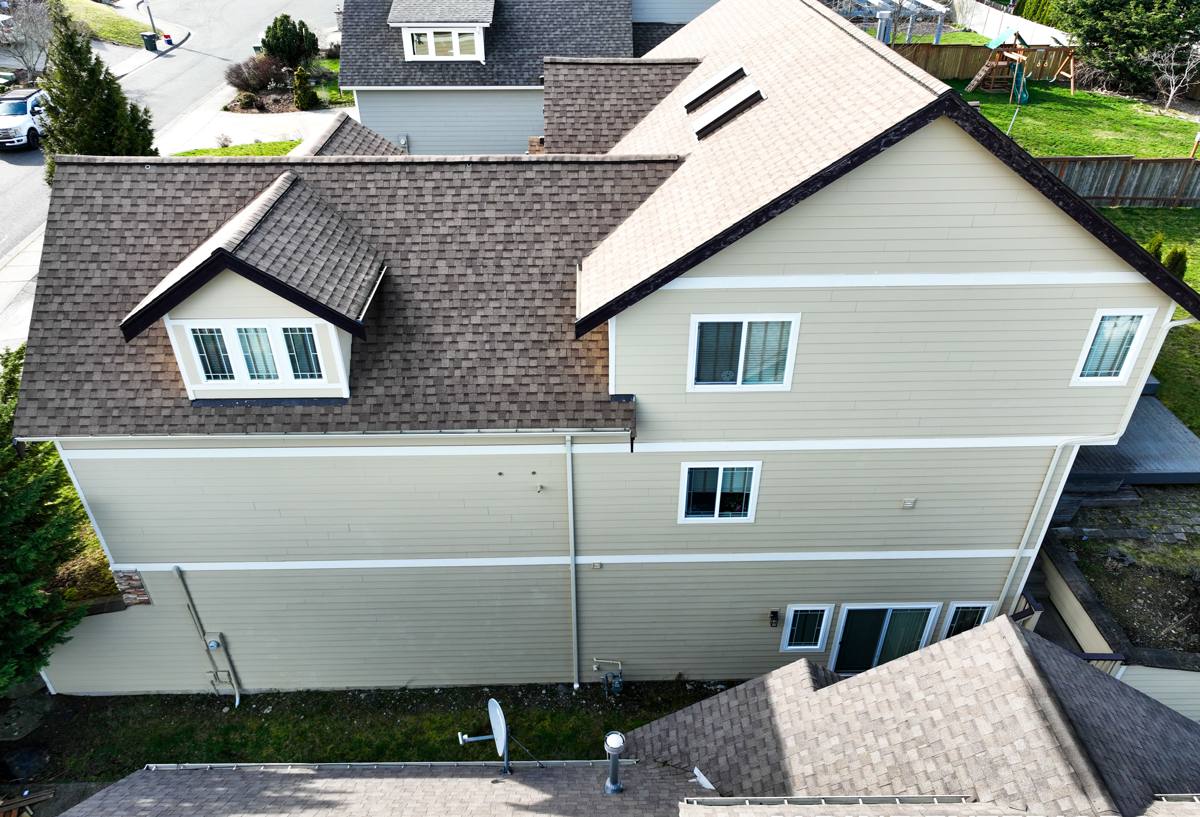
What This Climate Does to a Deck
St. Petersburg sits on a peninsula between Tampa Bay and the Gulf, and that location comes with a specific combination of stresses that a deck has to be built to handle:
- Salt air and humidity — even at a distance from open water, airborne salt accelerates corrosion on fasteners, hangers, and any exposed metal hardware.
- Intense, near year-round UV — sun exposure breaks down wood fibers, dries and cracks decking boards, and fades or chalks finishes faster than in most of the country.
- Wind-driven rain — Florida storms don't just fall straight down; rain gets pushed sideways into ledger connections, stair stringers, and any gap where water can find a foothold.
- Hurricane-force wind loads — a deck attached to the house has to resist uplift and lateral force, not just carry the weight of people standing on it.
- Heavy afternoon shade from mature trees — common in this neighborhood's tree-lined streets, shade keeps a deck cooler but also keeps it damp longer after rain, which speeds up rot and mildew growth if the structure underneath isn't ventilated properly.
None of these are unique to Old Northeast, but the combination of an older home, established tree cover, and proximity to the water means decks here tend to show wear in specific, predictable places: ledger boards, post bases, and stair connections.
Signs a Deck Needs Replacement, Not Another Repair
Not every problem deck needs a full teardown. But there's a point where patching individual boards or re-tightening hardware stops being a real fix and starts being a way to delay an inevitable, more expensive failure. Signs we take seriously on a walkthrough:
- Soft or spongy spots in the decking surface, especially near the house or around posts
- Visible gaps, rust streaks, or corrosion at joist hangers and fasteners
- A ledger board that's separating from the house rim joist, even slightly
- Posts or footings that have shifted, rotted at the base, or lost contact with solid concrete
- Railings that flex or wiggle under normal hand pressure
- Persistent mildew or a musty smell coming from underneath the deck
- A deck that was originally built without a permit or engineered ledger attachment
If a deck is showing more than one or two of these at once, or the structural framing is compromised rather than just the surface boards, replacement is almost always the more honest recommendation — both for safety and for the long-term cost of ownership.
What a Correct Deck Replacement Actually Involves
The Ledger Connection
The ledger board — where the deck attaches to the house — is the single most important structural connection on most decks, and it's the one most often done wrong on older, non-permitted builds. A correct ledger installation uses proper flashing to keep water from tracking behind the board and into the house rim joist, along with structural fasteners rated for the load, not just deck screws or nails. This detail alone prevents the majority of the rot and separation failures we see on older Pinellas County decks.
Footings and Framing
Footings need to sit below grade on solid, undisturbed soil and be sized for the load and local frost/soil conditions — which in Florida is less about frost and more about handling wet, sandy or shifting soil without settling unevenly over time. Framing lumber should be pressure-treated and rated for ground contact where it's close to or in contact with soil, with joist spacing and beam sizing that match the actual span and load, not just what fits the budget.
Fasteners and Hardware
In a salt-air environment, hardware grade matters more than it does inland. Hot-dip galvanized or stainless steel hangers, screws, and bolts cost more up front but resist the corrosion that eats through standard coated hardware within a handful of Gulf Coast summers. We match hardware to the decking and framing material used, since mismatched metals can accelerate corrosion at the connection point.
Decking Material
Board choice affects both maintenance and lifespan in this climate. The table below is a general comparison, not a sales pitch for any one product — the right choice depends on budget, maintenance appetite, and how much sun and shade the deck actually gets.
| Material | UV / Heat Behavior | Moisture Behavior | Maintenance |
|---|---|---|---|
| Pressure-treated pine | Fades and can check/crack under intense sun without regular sealing | Resists rot when properly treated and sealed; vulnerable if finish is neglected | Needs re-staining/sealing every 1–2 years in this climate |
| Composite decking | Handles UV well; some lighter colors run cooler underfoot than dark composites | Doesn't rot, but poor board spacing or drainage can trap moisture underneath | Low — periodic cleaning, no sealing |
| Tropical hardwoods | Naturally dense and UV-resistant, but can silver/gray without oiling | Very good natural moisture resistance | Moderate — periodic oiling for color retention |
We install the material a homeowner chooses; our job is to make sure whatever is chosen is installed with the framing, flashing, ventilation, and hardware that let it actually reach its expected lifespan in this climate — not just look right on day one.
Railings and Stairs
Railing posts need solid, through-bolted connections to the framing, not just surface-mounted brackets, since railings take direct lateral load from people leaning on them. Stair stringers need full support at the base — a common shortcut on older decks is a stringer resting on soil or a paver that has since settled, which is one of the more common safety issues we find during a walkthrough.
Our Process for Old Northeast Homes
Because we work regularly in this neighborhood, we already know the pattern of issues that show up on its older housing stock, which makes the process more efficient:
- On-site assessment — we inspect the existing deck's ledger, framing, footings, and hardware to determine what's structural versus cosmetic, and whether repair or full replacement makes sense.
- Straightforward proposal — a clear scope and price range based on size, material choice, and what the framing actually needs, not a generic per-square-foot number.
- Permitting — deck replacements typically require a building permit in St. Petersburg; we handle that process so the finished structure is documented and inspected, not just built.
- Teardown — full removal of the old decking, framing, and hardware down to sound structure, with attention to protecting landscaping and trees along the way.
- Rebuild — proper ledger flashing, corrosion-resistant hardware, correctly sized footings and framing, and the decking material selected.
- Final walkthrough — we go over the finished deck with the homeowner, including basic maintenance expectations for the material installed.
Why Local Experience Matters Here
A deck built to a generic national spec sheet doesn't always hold up to Tampa Bay's combination of salt air, sun, and storm wind. A crew that works Old Northeast regularly already knows which older homes tend to have non-standard ledger attachments, how mature tree cover affects drying time and material choice, and what inspectors in the area expect to see on a permitted deck rebuild. That familiarity shows up in fewer surprises during teardown, a more accurate proposal up front, and a finished deck that's actually built for the conditions it has to survive, not just the day it was installed.
Maintaining a New Deck in This Climate
Even a correctly built deck needs some ongoing attention in Pinellas County's climate. A short, honest maintenance checklist:
- Rinse off salt residue, pollen, and debris periodically, especially after storms
- Keep gutters and downspouts directing water away from the deck footings
- Reseal or re-stain wood decking on the schedule appropriate to the product used
- Check railing posts and stair connections once a year for looseness
- Trim back tree limbs and vegetation that keep the deck surface damp longer than it needs to be
- Address any soft spots or hardware corrosion early, before they spread to surrounding framing
Get a Free, No-Pressure Estimate
If your deck in Old Northeast is showing its age — soft boards, loose railings, rust at the hardware, or just years of Florida sun and salt air catching up with it — we're happy to take a look. The estimate is free, there's no pressure to move forward, and you'll get a straight answer about whether repair or full replacement is the right call for your home. Use the form below to get started.