 St. Petersburg Siding
 Why Board & Batten Fits Old Northeast's Character
Old Northeast is one of St. Petersburg's older, more architecturally distinct neighborhoods — a mix of Craftsman bungalows, Mediterranean Revival homes, and early-20th-century cottages, much of it shaded by mature oak canopy. Board and batten siding shows up naturally in a neighborhood like this: as full wall siding on cottage- and farmhouse-influenced homes, as an accent on gables and dormers, or as a way to visually separate a newer addition from the original structure without fighting the home's existing lines. The vertical rhythm and simple shadow line read as substantial without looking heavy, which suits the smaller footprints, deep eaves, and covered porches common to this part of Pinellas County.
Because much of Old Northeast falls within a recognized historic area, exterior changes tend to draw more attention than a typical suburban re-side. Getting the board width, batten spacing, and trim detail right isn't just a style preference here — it's often what keeps a project consistent with the block's character and with whatever historic guidelines may apply to a given property.
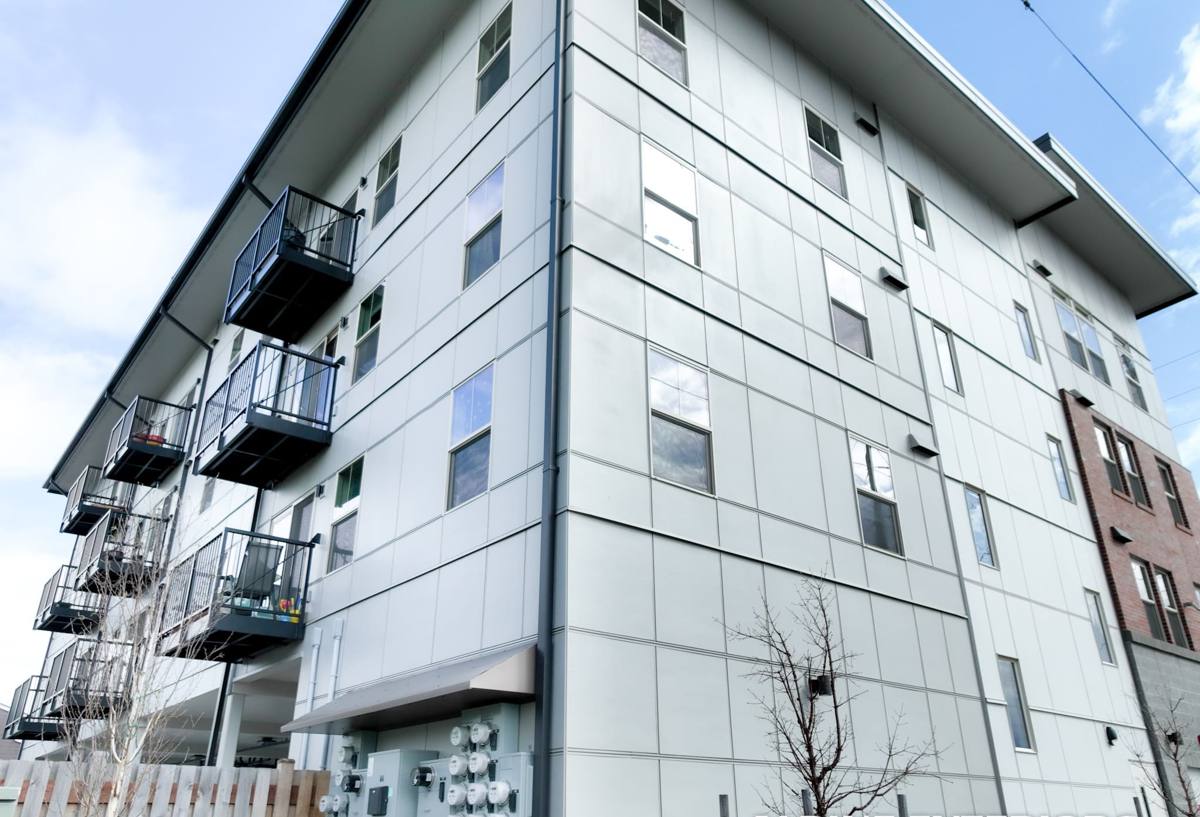
What St. Petersburg's Climate Does to Vertical Siding
Every siding material on the Pinellas County coast deals with the same four stresses, but board and batten's design puts more of the siding's surface area in direct contact with them than a standard lap profile does:
- UV exposure is intense and nearly year-round, breaking down pigments and surface coatings faster than in most of the country.
- Wind-driven rain from summer storms and tropical systems moves sideways, not down, and searches out every seam, joint, and fastener line.
- Salt air off Tampa Bay accelerates corrosion in fasteners, trim, and anything not rated for coastal exposure.
- Hurricane-force wind loads test the siding material itself, but just as much they test the fastening pattern and how securely the battens are attached over the field panel.
Board and batten simply has more vertical seams per square foot than lap siding, and the battens sit exactly where wind-driven rain likes to pool and probe. That doesn't make it a poor choice for this climate — homes here have carried it successfully for decades — but it does mean the material and the installation details matter more than they would on a plain lap-sided wall.
Why the Material Behind Board & Batten Matters More Than the Look
Wood and Engineered Wood
Real wood board and batten has the look a lot of homeowners in this neighborhood want, but it moves with humidity — swelling, shrinking, and cupping over repeated wet-dry cycles — and needs frequent repainting and caulk maintenance to keep water out of the joints. Engineered wood products are more dimensionally stable than solid lumber, but they're still wood-based at the core, and cut edges or damaged surfaces that go unsealed are an entry point for the kind of sustained humidity and rainfall Pinellas County sees for much of the year.
Vinyl Board & Batten
Vinyl is inexpensive and low-maintenance, which is why it's common, but Florida's UV load fades and gradually embrittles it faster than in milder climates, and prolonged heat can cause panels to warp or distort. Vinyl also relies on loose, "float" fastening to allow for thermal expansion, and that fastening method is generally rated to lower wind pressures than fiber cement — a real consideration for a property this close to open water and hurricane exposure.
The James Hardie System We Install for Board & Batten
We install James Hardie fiber cement exclusively — no vinyl, no LP SmartSide, no primed spruce or cedar. For board and batten specifically, that means a true vertical panel with separate batten strips fastened over the seams, not a single sheet scored or printed to look like board and batten from the street.
Built for This Climate: HZ10
Hardie engineers its siding by climate zone, and homes in this part of Florida fall under the HZ10 formulation, built specifically for high-heat, high-humidity, storm-prone regions. It's designed to resist the moisture-related swelling, cracking, and rot that plague wood-based sidings in exactly the conditions St. Petersburg deals with most of the year.
ColorPlus Factory Finish
Rather than relying on a field-applied paint job to survive Florida sun, Hardie's ColorPlus finish is baked on at the factory in multiple coats, giving it better UV and color stability than site-applied paint and backing it with its own finish warranty. On a profile with as many exposed edges and seams as board and batten, a factory-cured finish holds up more evenly than paint applied on-site in variable heat and humidity.
What a Correct Board & Batten Installation Actually Involves
Board and batten fails prematurely almost never because the material was wrong — it fails because of installation shortcuts that don't show up until the first real storm season. The details that matter most:
- A continuous, correctly lapped weather-resistive barrier behind the panels, not just housewrap stapled up quickly.
- Fasteners driven flush, not overdriven (which cracks the panel) or underdriven (which won't hold under wind uplift).
- Expansion gaps at trim and butt joints, sealed with the correct sealant rather than caulked solid, which traps moisture instead of letting it escape.
- Flashing at window heads, door heads, and roof-to-wall intersections integrated into the panel and batten layout, not added as an afterthought.
- Battens fastened into solid framing or furring — not just tacked into the face of the field panel, which won't hold under wind load.
| Material | Typical lifespan here | Maintenance | Wind/moisture behavior |
|---|---|---|---|
| James Hardie fiber cement | Multiple decades with correct install | Occasional wash; no repainting cycle with ColorPlus | Non-combustible; engineered for high-wind, high-humidity zones |
| Solid wood | Shorter without diligent upkeep | Regular repainting/caulking | Swells, shrinks, and rots with repeated moisture cycling |
| Engineered wood (e.g. LP-style) | Moderate | Sealing cut edges, monitoring for moisture damage | More stable than solid wood, still wood-based at the core |
| Vinyl | Shorter in intense UV/heat | Low, but limited repair options once faded or warped | Lower wind-pressure ratings; can warp or fade in sustained heat |
Our Process for an Old Northeast Project
Older neighborhoods come with older walls, and we treat that as part of the job, not a surprise to react to mid-project:
- On-site assessment — checking the condition of the existing wall sheathing, looking for hidden moisture or termite damage common in homes of this age, and confirming what's actually behind the current siding before pricing the job.
- Design and layout review — matching board width, reveal, and batten spacing to the home's existing proportions and, where relevant, to what fits the character of the surrounding block.
- Permitting — pulling the required City of St. Petersburg/Pinellas County permits and checking whether the property falls under any local historic district guidelines that affect exterior changes.
- Tear-off and prep — removing the old siding, addressing any sheathing repairs found, and installing a correctly lapped weather-resistive barrier.
- Installation to manufacturer specification — panels, battens, fastening, and flashing installed to Hardie's published details, not shortcuts that happen to look right from the curb.
- Final walkthrough and inspection — confirming the finished work passes both the building inspection and our own standard before we call it done.
Why Hiring a Crew That Already Works Old Northeast Matters
A crew that regularly works this neighborhood already knows what an unfamiliar crew has to learn on the job: how older homes here are typically framed and sheathed, how to stage material and equipment on tight lots with mature landscaping and low-hanging oak canopy, and what proportions read as "right" on a bungalow or Mediterranean Revival home versus a newer build. That familiarity shows up in fewer surprises mid-project and a finished result that looks like it belongs on the house and the street.
Before hiring anyone for a board and batten project in this area, it's worth asking:
- Are the installers manufacturer-trained or certified specifically for James Hardie products?
- Does the contractor pull their own permits, and are they familiar with any local historic review requirements?
- Have they installed board and batten specifically — not just lap siding — and can they explain their flashing and fastening approach for it?
- What does the warranty actually cover: material only, or labor and workmanship as well?
- Will they put the wall assessment findings and installation plan in writing before work starts?
If you're weighing board and batten for a home in Old Northeast, we're happy to take a look and walk you through what your specific house needs — no pressure, no obligation. Request a free estimate and we'll give you a straight answer on scope, materials, and what the job actually involves.