 St. Petersburg Siding
 Why Roofs Take a Beating in Kenneth City
Kenneth City sits inland from the Gulf, but "inland" in Pinellas County still means salt-laden air, punishing UV exposure nearly every day of the year, and direct exposure to whatever tropical system or hurricane-force wind event rolls through the bay area. A roof here isn't just shedding rain — it's fighting off sun degradation, wind uplift, and wind-driven rain that finds every gap in flashing or fastening it can. That combination is why roofs in this part of Florida rarely fail from one dramatic event. They fail from years of cumulative stress that a homeowner can't see from the ground until a leak, a missing shingle after a storm, or an insurance inspection forces the issue.
A roof replacement done for this climate has to account for all of that up front — not just the visible shingle layer, but the underlayment, flashing, ventilation, and fastening underneath it. Get any of those wrong and the roof looks fine for a year or two before the real problems show up.
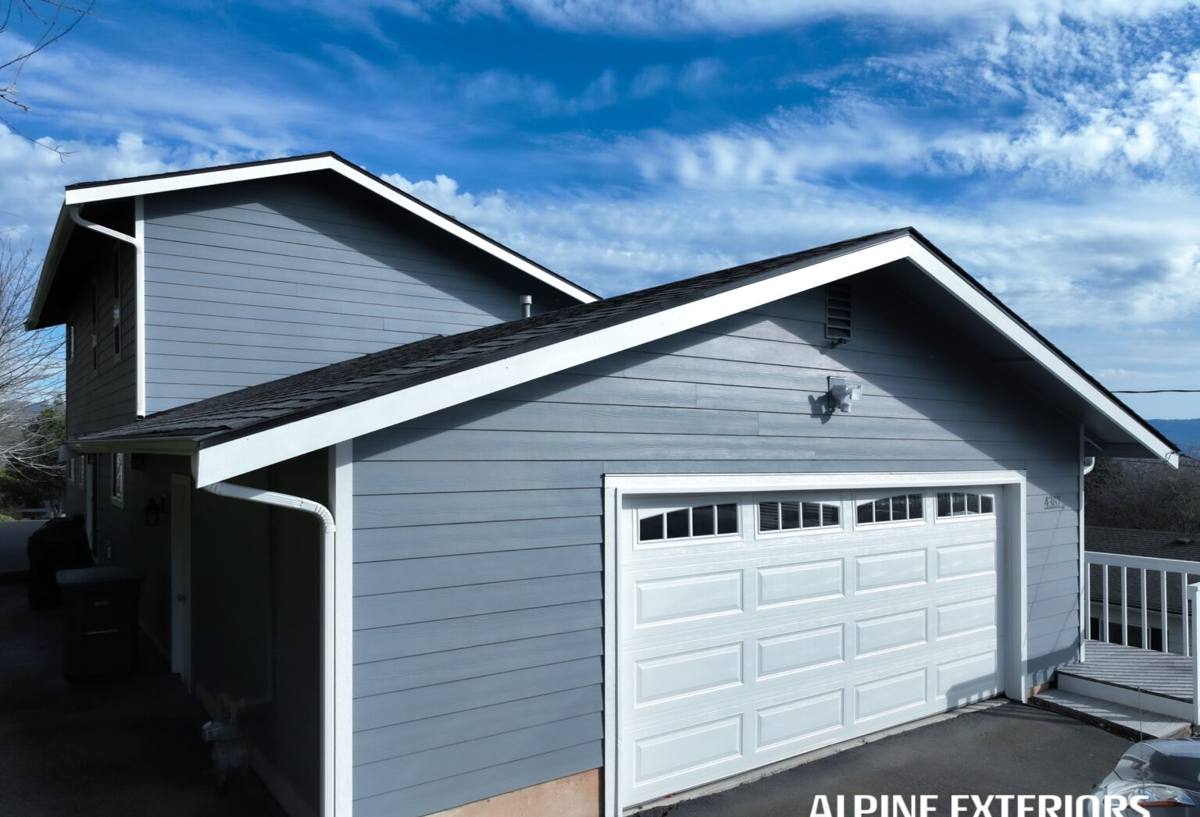
Signs a Kenneth City Roof Needs Replacing, Not Patching
Not every roofing issue calls for a full replacement, but Florida's climate accelerates wear in ways that make patch-and-repeat repairs a losing strategy past a certain point. Watch for:
- Shingles that are curling, cupping, or losing their granules in patches — a sign the asphalt is drying out from UV exposure
- Missing or lifted shingles after wind events, especially if it keeps happening in the same areas
- Soft spots, sagging, or visible unevenness in the roof plane
- Staining on interior ceilings or in the attic, even if no active drip is visible
- Cracked or brittle flashing around chimneys, vents, and roof-to-wall transitions
- A roof that's approaching or past the manufacturer's expected service life for its material and this climate
- Rising energy bills tied to poor attic ventilation or failing insulation under an aging roof deck
If a roof is showing two or more of these at once, repair costs start adding up fast enough that a full replacement is usually the more honest recommendation — and it resets the clock on materials, fastening, and warranty coverage all at the same time.
Roofing Materials That Actually Hold Up Here
Every roofing material sold in Florida is rated for wind and weather, but "rated" and "right for this house" aren't always the same thing. The table below is a general guide, not a substitute for looking at your specific roof pitch, structure, and budget.
| Material | Typical Lifespan (FL climate) | Wind Performance | Maintenance |
|---|---|---|---|
| Architectural asphalt shingle | Roughly 20–25 years | Good, when properly fastened and rated for high wind | Low; periodic inspection after storms |
| 3-tab asphalt shingle | Roughly 15–18 years | Lower wind resistance than architectural shingles | Low, but shorter service life |
| Standing seam metal | 40+ years | Excellent uplift resistance when installed correctly | Very low; occasional fastener/seam check |
| Concrete or clay tile | 40–50 years (underlayment usually fails first) | Strong, but individual tiles can dislodge in extreme wind | Moderate; underlayment often needs replacement before the tile does |
Architectural shingles remain the most common choice for Kenneth City homes because they balance upfront cost, wind performance, and appearance well. Metal is a strong option for homeowners planning to stay long-term and wanting to minimize future roofing decisions. Tile roofs are common on some homes in the area, and when we replace a tile roof, the underlayment underneath is usually the actual point of failure — the tile itself often still has life left in it.
What a Correct Roof Replacement Actually Involves
Tear-Off and Deck Inspection
A full tear-off exposes the roof deck, which is the only way to find rot, delamination, or fastener issues that a re-roof over old material would hide. Any damaged decking gets replaced before anything new goes down — skipping this step is one of the most common ways a "new roof" ends up with a soft spot within a couple of years.
Underlayment and Secondary Water Barrier
This layer matters more in Florida than almost anywhere else in the country. Florida's building code requires a secondary water barrier on new roof installations specifically because wind-driven rain during tropical storms and hurricanes can force water underneath shingles that would otherwise stay dry. Self-adhering underlayment at the eaves, valleys, and roof-to-wall transitions is what keeps a roof watertight even if the outer shingle layer takes damage in a storm.
Flashing and Edge Details
Flashing around chimneys, skylights, vents, and roof-to-wall intersections is where most roof leaks actually start — not in the open field of shingles. New flashing, properly integrated with the underlayment and siding or stucco, is a non-negotiable part of a correct replacement, not an area to reuse old material to save time.
Fastening and Wind Rating
Nailing pattern and fastener count directly affect how a roof performs in high wind. Florida Building Code sets minimum requirements based on wind zone, and Pinellas County sits in a high-wind-speed zone that calls for more aggressive fastening than roofs built to older, looser codes decades ago. A correctly fastened roof is also what makes a home eligible for wind mitigation credits on homeowners insurance.
Ventilation
Proper intake and exhaust ventilation keeps attic temperatures down, which extends shingle life and reduces the heat load on the home's cooling system. In a climate with this much year-round sun exposure, ventilation is not a cosmetic detail — it's part of what determines how long the new roof actually lasts.
Permits, Wind Mitigation, and Insurance
A roof replacement in Pinellas County requires a building permit and inspection — that's not optional, and any contractor proposing to skip it should be treated as a red flag, not a shortcut. Beyond the permit itself, a new roof installed to current code is usually what qualifies a home for a wind mitigation inspection, which can lower windstorm insurance premiums. The savings vary by insurer and by the specific features of the roof (fastening method, roof shape, secondary water barrier), so it's worth asking your insurance agent what documentation they'll want once the new roof is in.
What Drives the Cost of a Roof Replacement
Every roof is different, and the honest answer to "what will this cost" is "it depends" — but the following factors are what actually move the number.
| Factor | Why It Matters |
|---|---|
| Roof size and complexity | More squares, valleys, and roof planes mean more material and labor |
| Roof pitch | Steeper roofs take longer and require more safety equipment |
| Existing layers to remove | Tear-off of multiple old layers adds labor and disposal cost |
| Decking condition | Rotted or damaged decking found during tear-off must be replaced |
| Material choice | Asphalt, metal, and tile carry different material and labor costs |
| Access and staging | Tight lots or limited driveway access can add setup time |
For a typical single-family home in this area, a full asphalt shingle replacement generally runs in the range of roughly $9,000 to $20,000 or more, with metal and tile running higher. The only way to get an accurate number for a specific house is a roof measurement and inspection — broad ranges like this are a starting point for budgeting, not a quote.
Our Process for Kenneth City Roof Replacements
- Inspection and measurement — we walk the roof, check the deck condition where accessible, and document existing damage
- Written estimate — material options, scope of work, and cost broken down so there are no surprises
- Permitting — we pull the required permit before work begins
- Tear-off and deck repair — full removal of old roofing, with any damaged decking replaced
- Underlayment, flashing, and new roofing installation — installed to current Florida Building Code wind requirements
- Cleanup — magnet sweep for stray fasteners and full site cleanup before we leave
- Final inspection — coordinated with the county so the permit closes out properly
We keep homeowners informed at each stage rather than disappearing until the job is "done," and we don't consider the job finished until it passes final inspection.
Why Local Experience Matters for This Job
A roofing crew that already works in Kenneth City and the surrounding St. Petersburg area knows the local permitting process, understands the wind zone requirements that apply here, and isn't learning Pinellas County's inspection expectations on your job. That familiarity shows up in fewer permit delays, fewer surprise re-inspections, and a crew that can move quickly when storm season creates a backlog of roofing needs across the area. It also means we're a known, findable local business if a warranty question comes up years down the road — not a crew that worked the coast for a season and moved on.
After the Roof Goes On
A new roof still benefits from basic upkeep: keeping gutters and valleys clear of debris, trimming back overhanging branches, and doing a visual check after any major storm. Most manufacturers also recommend a periodic professional inspection to keep warranty coverage intact. None of this is heavy maintenance — it's the difference between a roof that reaches its full expected lifespan and one that develops preventable problems early.
If your roof is showing its age, took storm damage, or you just want an honest read on where it stands, we're happy to take a look. Request a free, no-pressure estimate using the form below and we'll walk you through your options for your specific home.