 St. Petersburg Siding
 Kenneth City's Climate Is Hard on Siding — Here's What That Means for Your House
Kenneth City sits in the middle of Pinellas County, close enough to Tampa Bay and the Gulf that homes here deal with the same punishing weather cycle as the rest of the St. Petersburg area: long stretches of intense UV exposure, sudden wind-driven rain, salt-laden air moving in off the water, and the real possibility of hurricane-force winds during storm season. None of that is unique to Kenneth City, but it's a smaller, tightly built residential community, which means houses tend to sit close together with limited setbacks — so how your siding holds up affects more than just your own curb appeal and maintenance bill.
Siding in this environment isn't just a cosmetic layer. It's the first line of defense against moisture intrusion, and it's constantly cycling between baking sun and soaking rain. Products that aren't engineered for this cycle — whether that's cheap vinyl that warps, primed wood that wicks water, or fiber cement that wasn't formulated for high-moisture climates — tend to show their weaknesses here faster than they would in a drier, milder region.
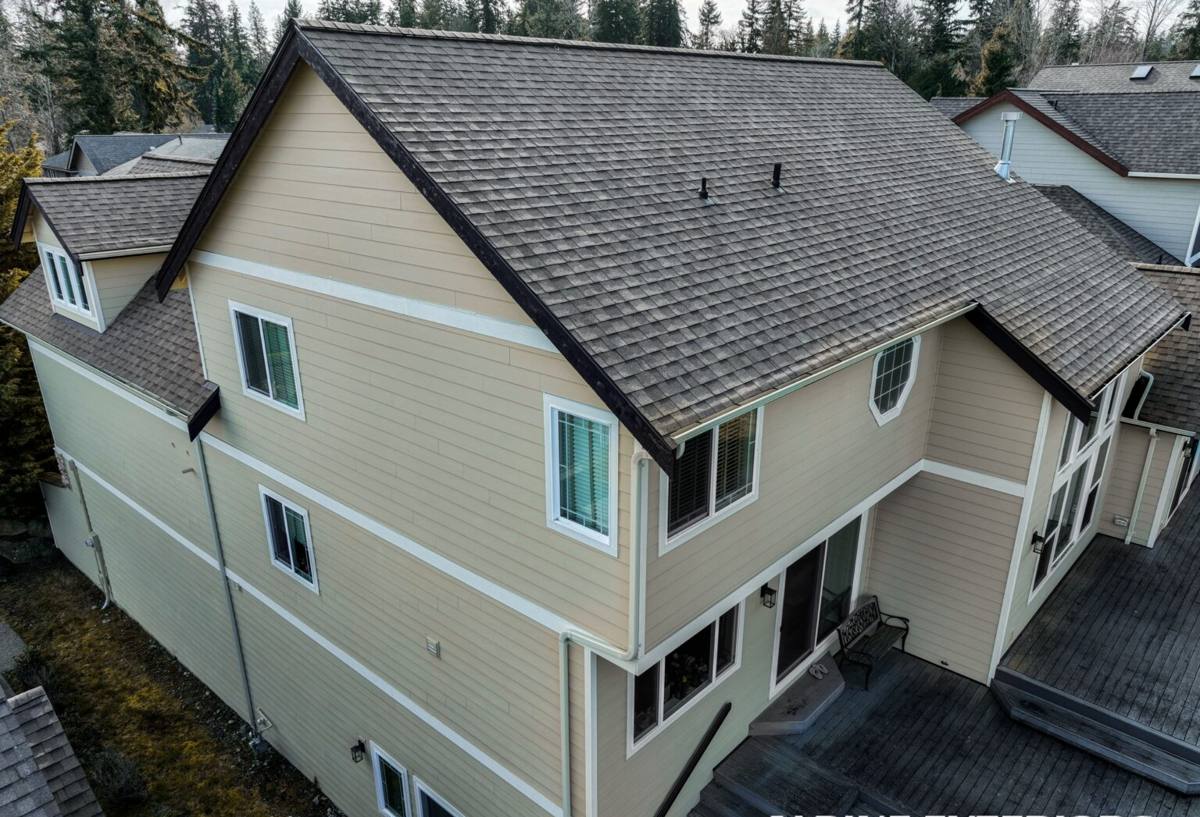
Why We Install James Hardie and Nothing Else
We standardized on James Hardie fiber cement siding because it's the product we trust to actually perform under Pinellas County conditions, not just look good on installation day. It's non-combustible, it doesn't rot or delaminate the way wood-based products can, and its ColorPlus factory-applied finish is baked on and formulated to resist fading from UV exposure — a real factor here given how much direct sun Kenneth City homes take year-round.
James Hardie also makes climate-specific product lines, engineered for different exposure zones across the country. For coastal Florida, that means siding formulated to resist moisture, humidity, and the freeze-free but wet-and-humid cycle typical of the Gulf Coast — rather than a generic product that treats a home in Kenneth City the same as one in a dry inland climate. That distinction matters more than most homeowners realize when they're comparing siding options.
What We Don't Install, and Why
We don't install vinyl, LP SmartSide, Cemplank, Allura, or primed wood siding. Each of those products has legitimate uses and loyal customers elsewhere, but for the wind, moisture, and UV combination that Pinellas County homes deal with, we've made a professional call that James Hardie is the product we're willing to put our name behind. That's not a knock on every alternative — it's a standard we hold to protect the work we do.
What a Correct James Hardie Installation Actually Involves
The performance you get from James Hardie siding depends heavily on how it's installed. Fiber cement is not forgiving of shortcuts, and a rushed or improperly flashed job will fail well before the product itself would. On a Kenneth City home, a correct installation includes:
- Proper water-resistive barrier and house wrap installed and lapped correctly before any siding goes up
- Flashing at every window, door, and roofline transition, sized and installed to shed water away from the wall assembly
- Correct fastener type, spacing, and penetration depth — James Hardie specifies this precisely, and it's one of the most commonly skipped details on rushed jobs
- Minimum clearance maintained between the bottom of the siding and grade, roofing, decking, or any other horizontal surface, so water doesn't wick up into the board
- Proper gapping and caulking at butt joints and trim, using sealants rated for the product and climate
- Factory-cut and factory-primed edges used wherever possible, with any field-cut edges sealed per manufacturer spec
Every one of those steps exists because Florida's wind-driven rain will find any gap the installer leaves. A siding job can look perfect from the curb and still be set up to fail behind the wall if these details were skipped.
Wind Resistance Isn't Optional Here
Because Kenneth City is exposed to the same hurricane risk as the rest of the Tampa Bay area, fastening pattern and edge clearance aren't just manufacturer suggestions — they're what keeps siding attached during a wind event instead of becoming debris. James Hardie's engineered lines are tested for high-wind performance, but that rating only holds if the installation follows the fastening schedule the product was tested with.
Our Process for Kenneth City Homes
We keep the process straightforward and the same for every Kenneth City property we work on:
- On-site assessment — we look at your current siding, the condition of the substrate underneath, trim, soffits, and any moisture damage before quoting anything
- Product selection — HardiePlank lap siding, HardiePanel, or HardieShingle depending on your home's style and what you're trying to achieve
- Removal and substrate check — old siding comes off and we inspect sheathing for rot or water damage before closing anything back up
- Weather barrier and flashing — installed correctly the first time, since this layer is the part you'll never see again once siding goes up
- Installation to manufacturer spec — correct fasteners, clearances, and joint treatment throughout
- Final inspection and cleanup — we walk the job before we consider it done
We don't sell a bigger job than a home needs. If a section of siding is sound and the rest needs replacement, we'll tell you that plainly.
Cost Factors for a Kenneth City James Hardie Project
Every home is different, but the same handful of factors drive the price on most jobs in this area:
| Factor | Why It Matters |
|---|---|
| Home size and number of stories | More surface area and access complexity (ladders, scaffolding) directly affect labor |
| Current siding removal | Tear-off and disposal of old material adds time versus installing over new construction |
| Substrate condition | Water-damaged sheathing found during removal needs repair before new siding goes on |
| Siding profile chosen | Lap siding, panel siding, and shingle-style products differ in material and labor cost |
| Trim, soffit, and fascia work | Often bundled in for a finished, uniform look and to protect the same vulnerable transition points |
| Color and finish | Factory ColorPlus finishes cost more upfront than field-painted primed board but eliminate repainting for years |
We'll walk through these line by line during your estimate so you know exactly what's driving the number, rather than getting a flat quote with no explanation.
Signs Your Current Siding Is Losing the Fight
Homeowners in Kenneth City often wait longer than they should to address siding problems because the damage isn't always obvious from the street. Watch for:
- Soft or spongy spots when you press on the siding, especially near the bottom courses
- Visible warping, buckling, or gaps that weren't there a year or two ago
- Paint or finish that's chalking, peeling, or fading unevenly, especially on sun-facing walls
- Streaking or discoloration near seams, which often points to water getting behind the siding rather than just surface dirt
- Increased pest activity around the base of exterior walls
- Rising energy bills that can't be explained by anything else, which sometimes points to a compromised building envelope
Any of these is worth a look before it turns into a sheathing or framing repair, which costs far more than siding alone.
Maintaining James Hardie Siding in a Salt-Air Environment
James Hardie siding is low-maintenance compared to wood or vinyl, but "low-maintenance" doesn't mean "no maintenance," especially this close to the Gulf. A simple annual routine goes a long way:
- Rinse the exterior periodically to clear salt residue, especially on walls facing prevailing wind off the water
- Inspect caulking at trim, windows, and joints once a year and re-seal anything that's cracked or pulled away
- Keep gutters and downspouts clear so water isn't sheeting down the siding face during heavy rain
- Trim back landscaping that traps moisture against the wall
- Look at the bottom courses after storm season for any splashback staining or damage
Why It Matters to Hire a Crew That Already Works This Area
Pinellas County's permitting requirements, wind-load standards, and inspection process aren't identical to every county in Florida, and a crew that works Kenneth City and the surrounding St. Petersburg area regularly knows what local inspectors expect and how to document a job that will pass without delays. That familiarity also shows up in smaller ways — knowing how tightly homes sit together in parts of Kenneth City, how to stage material and manage a jobsite on a smaller lot, and how to communicate with neighbors during a multi-day install.
A crew that specializes in one product line, installed correctly, every time, also isn't guessing at spec sheets or improvising fastening patterns because they normally install something else. That consistency is part of why we limit ourselves to James Hardie in the first place.
If your Kenneth City home's siding is showing its age or you're planning ahead of the next storm season, we're happy to take a look and give you a straight, no-pressure estimate — use the form below to get started.