 St. Petersburg Siding
 Deck Replacement Built for Euclid-St. Paul's Climate
Euclid-St. Paul is one of St. Petersburg's older, established neighborhoods, and a lot of the decks we see here were built years ago under conditions that no longer match what Pinellas County weather actually delivers. Between hurricane-force wind events, intense year-round UV exposure, wind-driven rain, and salt air drifting in off Tampa Bay, an outdoor deck in this part of St. Petersburg ages faster than the same structure would almost anywhere inland. A deck that looks fine from the yard can be hiding rot, corroded fasteners, or a ledger connection that's no longer doing its job.
Replacing a deck the right way in this neighborhood isn't just about swapping old boards for new ones. It means building for the specific combination of stresses this area sees: sun that breaks down finishes and dries out wood fibers, humidity and rain that get driven sideways into joints during storms, and salt-laden air that accelerates corrosion on anything metal. We approach every Euclid-St. Paul deck replacement with that combination in mind from the first site visit.
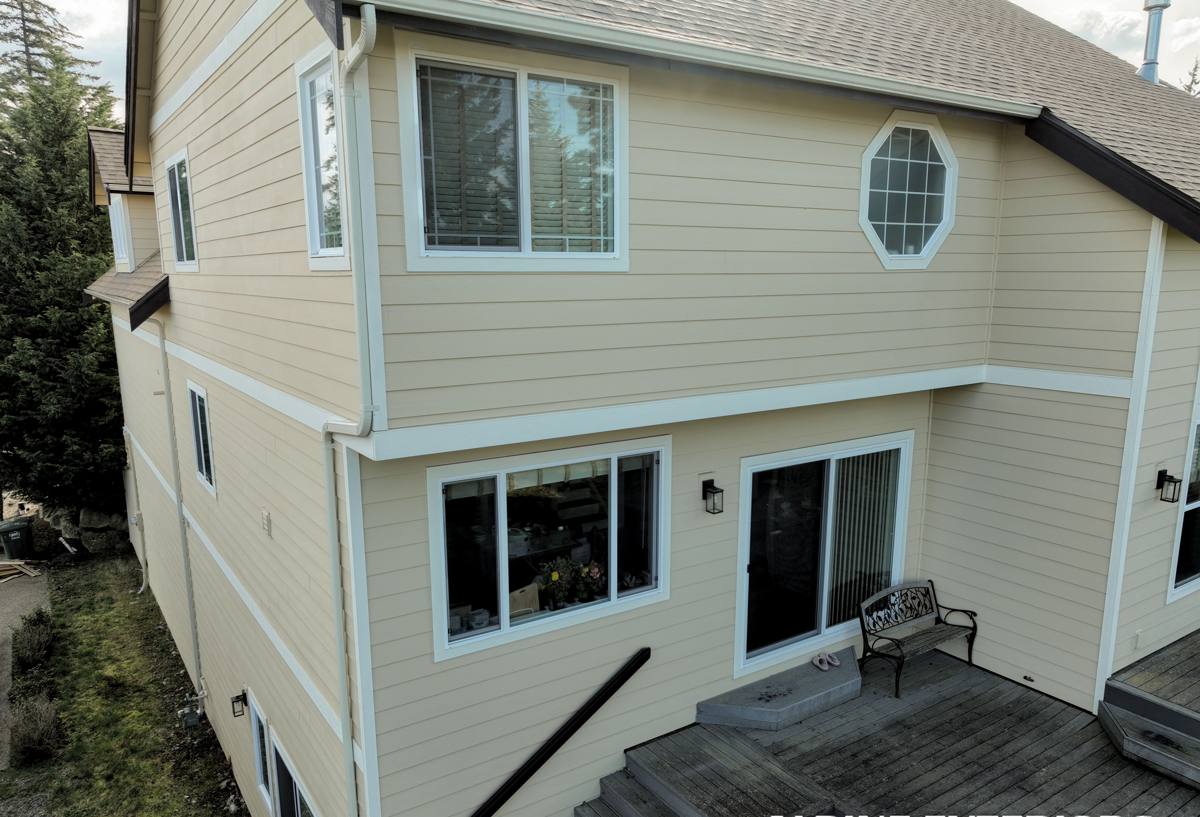
Signs Your Deck Needs Replacement, Not Just Repair
Homeowners often ask whether a deck can be patched instead of rebuilt. Sometimes it can — but there's a point where repair stops being cost-effective or safe. Here's what typically tips a deck from "repair" into "replace" territory:
- Soft, spongy, or visibly sagging deck boards, especially near the house or around fastener locations
- Rust streaking or corrosion on structural fasteners, joist hangers, or bolts
- Separation or movement where the ledger board meets the house — a common failure point in wind-driven rain climates
- Wobble or give in support posts, beams, or railings when weight is applied
- Wood that's gray, splintering, or crumbling at the edges rather than just faded
- A structure built before current wind-load and railing codes, with no documentation it was ever brought up to standard
If you're only seeing one or two isolated soft boards on an otherwise sound frame, repair may be reasonable. Once the framing itself is compromised, patching the surface just delays a problem that's already underneath the deck.
What a Correct Deck Replacement Actually Involves
The Framing Comes First
The decking material gets all the attention, but the framing underneath is what determines whether a deck survives its first serious storm. A proper replacement includes correctly sized joists and beams for the span and expected load, footings set to the depth local soil and frost/wind conditions call for, and a ledger board that's properly flashed and lag-bolted — not just nailed — into the home's structure.
Fasteners and Hardware Matter More Here Than Most Places
In a salt-air environment, standard galvanized fasteners corrode faster than they would inland. We use stainless steel or coated fasteners and connectors rated for coastal exposure on structural connections, because a rusted-through joist hanger is one of the more common hidden failure points we find when we tear out an old deck near the water.
Railings and Guards Built to Code
Florida Building Code sets minimum requirements for guard height, baluster spacing, and load resistance on elevated decks. Older decks in this neighborhood were often built before current code, or without a permit at all. A replacement is the right time to bring the whole structure — not just the surface — up to what current code actually requires.
Choosing the Right Decking Material for St. Petersburg Conditions
There's no single "best" decking material — the right choice depends on how much maintenance you want to do, your budget, and how much direct sun and rain exposure the deck gets. Here's how the common options compare for a Pinellas County home:
| Material | UV/Sun Resistance | Moisture Behavior | Maintenance |
|---|---|---|---|
| Pressure-treated pine | Fades and dries out without regular sealing | Prone to warping/checking if not sealed | Annual cleaning and resealing recommended |
| Capped composite | Strong resistance to fading and sun damage | Won't rot, but check manufacturer specs for ventilation needs | Occasional washing, no sealing or staining |
| Uncapped composite | Moderate — can fade or stain over time | More moisture-sensitive than capped versions | Periodic cleaning; more attention than capped composite |
| Tropical hardwoods | Naturally dense, holds up well if maintained | Good natural moisture resistance | Regular oiling to prevent graying and checking |
We don't push one product on every homeowner. Pressure-treated wood costs less up front but asks more of you every year in this climate. Capped composite costs more initially but is the lower-maintenance choice for a deck that's going to face direct Florida sun and salt air most of the year. We'll walk through the real trade-offs for your specific deck rather than defaulting to whatever's easiest for us to install.
Our Deck Replacement Process
- On-site assessment — We inspect the existing deck, ledger connection, and framing to confirm replacement is the right call and identify any structural issues hiding under the surface.
- Design and material selection — We go over decking, railing, and hardware options based on your budget, how you use the space, and sun/rain exposure specific to your lot.
- Permitting — We handle the permit application and inspections required by the City of St. Petersburg and Pinellas County, so the finished deck is documented and code-compliant.
- Demolition and haul-away — Full removal of the old deck, including hidden fasteners and any compromised framing, hauled off the property.
- Framing rebuild — New footings, posts, beams, and joists sized and spaced to code, with a properly flashed ledger connection and corrosion-resistant hardware throughout.
- Decking and railing installation — Installed per manufacturer specifications, including the fastening pattern and spacing that keep warranties valid.
- Final walkthrough — We check the finished deck with you and cover basic care so it holds up the way it's supposed to.
Permits, Codes, and Local Considerations
Deck replacement in St. Petersburg generally requires a permit, particularly for any structural framing work, elevated decks, or attached ledger connections. Pinellas County's wind-load requirements are not the same as what you'd find in a lot of other parts of the country, and Florida Building Code has specific provisions for guard rails, stair geometry, and structural connections that inspectors will check for. Skipping the permit process might save time up front, but it leaves you without documentation that the work meets code — which can matter at resale or if there's ever a warranty or insurance question down the line.
Euclid-St. Paul includes a mix of home ages and styles, including some older bungalow-era construction. On homes like these, the ledger connection and existing framing sometimes need extra attention to tie a new deck into the house correctly. We account for that during the assessment rather than assuming every house in the neighborhood is built the same way.
What Drives the Cost of a Deck Replacement
Every deck is different, so we don't quote a price without seeing the project, but these are the factors that move the number up or down most:
| Cost Factor | Why It Matters |
|---|---|
| Deck size (square footage) | Larger decks require more material and labor, straightforwardly increasing cost |
| Decking material | Pressure-treated wood generally costs less up front than capped composite or hardwood |
| Height and stairs | Elevated decks and multi-flight stairs add framing, railing, and labor complexity |
| Railing style | Cable, glass, or composite railing systems cost more than standard baluster railing |
| Demolition scope | A full tear-out and haul-away of a large or heavily deteriorated old deck adds labor time |
| Permit and inspection fees | Set by the City of St. Petersburg/Pinellas County and required for compliant work |
As a broad, honest range, straightforward pressure-treated wood replacements tend to land at the lower end of the market, while capped composite decking with upgraded railing sits meaningfully higher. The only way to get an accurate number is a look at your specific deck, which is what a free estimate is for.
Keeping Your New Deck in Good Shape
A well-built deck still needs some basic upkeep to get its full lifespan out of this climate. A little routine attention goes a long way toward protecting the investment:
- Sweep off debris and standing water regularly, especially after storms
- Rinse salt residue off the deck surface and railings periodically if you're near the water
- Check fastener heads and railing connections once or twice a year for looseness or corrosion
- Reseal or restain wood decking on the schedule the manufacturer or your contractor recommends
- Keep gutters and downspouts clear so runoff isn't dumping extra water onto or under the deck
- Trim back vegetation that traps moisture against the framing or decking
Why Hire a Crew That Already Works in Euclid-St. Paul
A deck replacement crew that's worked this neighborhood before already knows what to expect: the age range of the housing stock, the permitting process with the City of St. Petersburg, and how exposed a given lot is to salt air and storm wind depending on how close it sits to the water. That familiarity means fewer surprises once demolition starts and a more accurate estimate from the first visit.
It also means we're not learning Pinellas County's code requirements on your project. We've already built the working relationships and know the inspection process, which keeps your replacement moving instead of stalling on paperwork. For a structure that's going to be holding up your family and guests in a climate this demanding, that local track record isn't a small thing.
If your deck is showing its age, or you just want an honest opinion on whether it's a repair or a full replacement, we're glad to take a look. Reach out for a free, no-pressure estimate using the form below.