 St. Petersburg Siding
 Windows Built for the Disston Heights Environment
Disston Heights is one of St. Petersburg's older, established residential neighborhoods, and a lot of the housing stock here reflects that — original wood-frame windows, single-pane replacements from decades past, or aluminum units that were the standard when the home was last updated. Whatever is currently in the openings, the job of replacing it in this part of Pinellas County is different than it would be somewhere inland. Every window on a Disston Heights home has to hold up to hurricane-force wind events, near-constant UV exposure, wind-driven rain, and salt-laden air moving in off the Gulf and Tampa Bay. Get any one of those wrong and you're not looking at a cosmetic problem years down the road — you're looking at frame rot, seal failure, or a window that becomes a liability the next time a storm rolls through.
This page is about window installation specifically — not repair, not general remodeling — and specifically for homes in this neighborhood. The goal is to give you a real sense of what a correct installation involves here, what tends to go wrong when it's rushed, and what to expect if you have us come take a look.
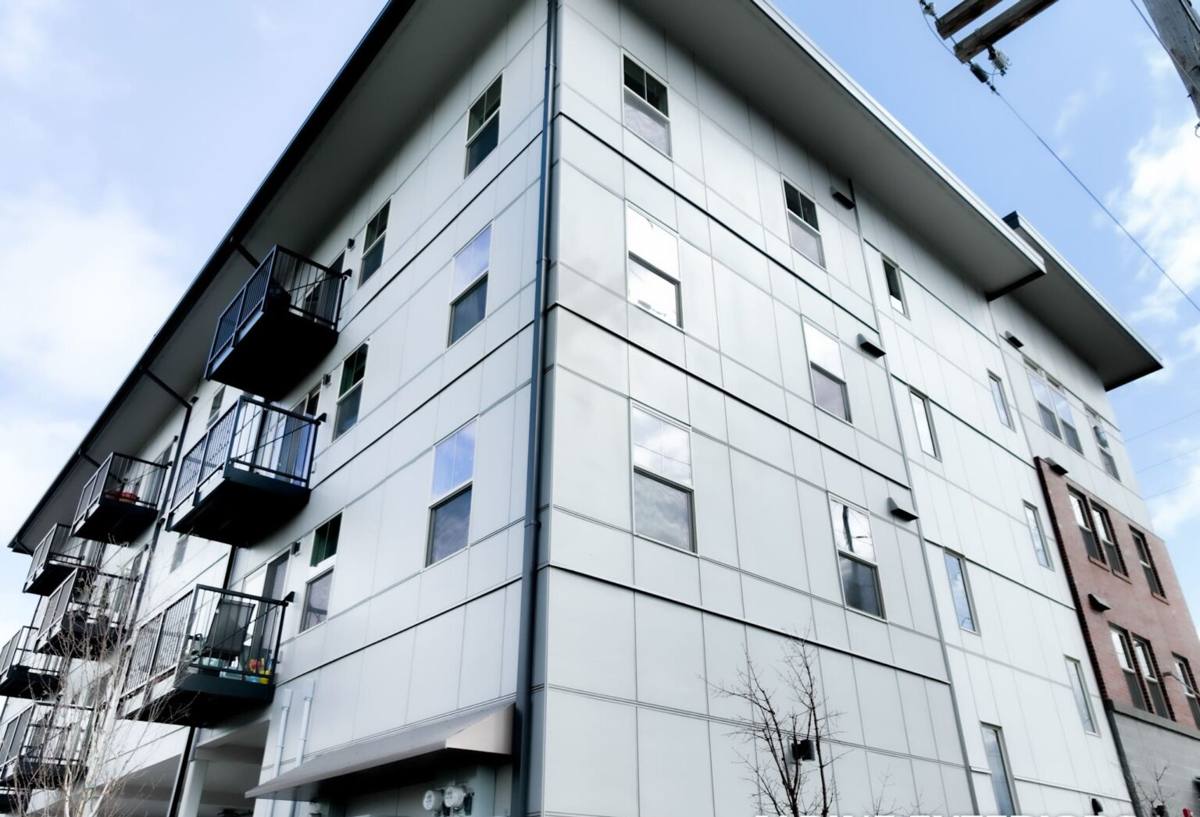
What This Climate Actually Does to a Window
It helps to understand the specific stresses at play, because they drive almost every decision in a proper installation.
Wind and Pressure
During a tropical storm or hurricane, wind doesn't just push against a window from outside — it creates pressure differentials that pull at the frame and the wall opening around it. A window that isn't properly rated, anchored, and flashed for the wind loads in this part of Florida can fail at the frame or the seal well before the glass itself gives out.
UV Exposure
St. Petersburg gets sun nearly year-round, and UV breaks down vinyl, weatherstripping, and sealants faster than in most parts of the country. Frames that aren't UV-stabilized will chalk, warp, or go brittle years ahead of their expected lifespan.
Wind-Driven Rain
Florida rain rarely falls straight down in a storm — it comes in sideways. That means flashing, sill pans, and sealant work matter as much as the window unit itself. A great window with a sloppy installation around it will still leak.
Salt Air
Even set back from the immediate coastline, homes throughout St. Petersburg and Pinellas County deal with airborne salt that accelerates corrosion on hardware, fasteners, and lower-grade metal components. Materials and hardware need to be chosen with that in mind, not just for looks.
The Housing Stock Factor
Many homes in Disston Heights are older builds — original openings weren't always cut to today's standard sizes, and previous window replacements were sometimes done as a straight swap without addressing the wall assembly behind them. That's important because a window installation on an older home isn't always a simple like-for-like unit drop-in. We often find:
- Wood framing around openings that has taken on moisture damage over the years and needs attention before a new window goes in
- Openings that are slightly out of square from decades of settling
- Old flashing or none at all, installed before modern methods were standard practice
- Layers of paint, caulk, or trim covering problems that only show up once the old unit is out
None of this is unusual for a neighborhood with this much established housing, but it does mean an installer who quotes a job without actually inspecting the opening is guessing. We check the wall assembly, not just the window size, before we ever give a number.
What a Correct Installation Actually Involves
A window installation done right in this environment has several non-negotiable steps, regardless of the brand or style of window you choose:
- Opening inspection and prep — checking the framing, sill, and surrounding wall for moisture damage or rot before anything new goes in.
- Sill pan flashing — creating a drainage path so any water that does get past the window sheds outward instead of pooling in the wall cavity.
- Proper flashing integration — tying the window's flashing into the home's existing weather-resistive barrier in the correct shingle-lap order, so water is always directed down and out.
- Correct fastening for wind load — using the fastener type, spacing, and embedment specified for the window's wind rating, not just "enough screws to hold it."
- Low-expansion foam and backer rod, not just caulk — insulating and air-sealing the gap between the frame and the rough opening properly, then finishing with sealant rated for exterior UV exposure.
- Interior and exterior trim-out — finishing the opening so it looks correct and stays sealed at the trim line, which is a common weak point on older homes.
Skipping or rushing any one of these steps is how a "new window" ends up leaking or failing within a few years — the glass and frame were never the problem, the installation around them was.
Choosing the Right Window for a Disston Heights Home
There's no single "best" window for every house — it depends on the home's age, orientation, and how exposed it is to weather. That said, a few decisions matter more here than in a milder climate.
Impact-Rated vs. Standard Windows
Impact-rated windows use laminated glass that stays intact even when the outer pane cracks, and they're built with reinforced frames to handle wind-borne debris. They cost more up front but remove the need for separate storm shutters or panels, and they hold up to daily wind and pressure cycling better than standard glass over the long run. Standard windows can still be code-compliant when paired with an approved shutter or protection system, but that adds a second thing to maintain and deploy before every storm.
Frame Material
Vinyl frames are common and cost-effective, but quality varies a lot — UV-stabilized vinyl holds up here; cheaper vinyl chalks and warps within a few years. Aluminum is strong and slim-profile but conducts heat and, without a quality finish, is more prone to corrosion in salt air. Fiberglass costs more but resists warping and corrosion better than either.
Glass Package
Low-E coatings and the right tint or gas-fill package make a real difference in a home that runs the air conditioner most of the year. It's worth discussing with whoever is doing the install rather than defaulting to whatever's cheapest.
| Factor | Standard Window + Shutters | Impact-Rated Window |
|---|---|---|
| Upfront cost | Lower per window | Higher per window |
| Storm prep required | Yes, every storm | None — always protected |
| Daily wind/noise performance | Standard | Noticeably quieter, more stable |
| Insurance considerations | Varies by shutter type | Often more favorable |
| Long-term maintenance | Shutters need upkeep too | Lower, fewer moving parts |
Permits and Code in Pinellas County
St. Petersburg and Pinellas County fall under Florida's wind-borne debris region requirements, which means replacement windows generally need to meet a specific wind-load rating for this area, and the work typically requires a permit and inspection. This isn't a place where "it's just a window swap" skips the paperwork — doing it right protects you if you ever sell the home or file an insurance claim. We handle the permitting as part of the job rather than leaving it for the homeowner to sort out.
Our Process
When we take on a window installation in Disston Heights, the approach is the same every time:
- On-site assessment of every opening — not just measurements, but a look at the surrounding wall condition
- A written estimate that spells out window specs, wind rating, and what's included in labor
- Permit pulled and scheduled before work begins
- Old units removed and openings inspected for hidden damage before new windows go in
- Full flashing, fastening, and sealing per manufacturer and code requirements
- Final inspection and walkthrough with you before we call the job done
What Drives the Cost
Every home is different, but the same handful of factors move the price on most jobs:
| Factor | Why It Matters |
|---|---|
| Window count and size | More or larger openings mean more material and labor |
| Impact rating | Impact glass and reinforced frames cost more than standard units |
| Frame material | Vinyl, aluminum, and fiberglass are priced differently |
| Condition of existing openings | Rot or out-of-square framing adds repair time before install |
| Access and story height | Second-story or hard-to-reach windows take longer to install safely |
| Trim and finish work | Matching existing interior/exterior trim adds labor |
A Quick Checklist Before You Hire Anyone
- Ask to see their Florida contractor license and confirm it's active
- Confirm they pull permits themselves rather than asking you to
- Ask what wind rating the proposed windows carry and whether it's appropriate for this area
- Get the flashing and sealing method explained, not just the window brand
- Ask how they handle rot or damage found once the old window is out
- Get everything in writing — window specs, labor, disposal of old units, and warranty terms
Why Local Experience Matters Here
A crew that regularly works in Disston Heights and the surrounding St. Petersburg neighborhoods already knows what to expect from this housing stock and this climate — where older homes tend to have hidden framing issues, what wind rating actually makes sense for this part of Pinellas County, and how to sequence a job so it holds up to the next hurricane season instead of just looking good on install day. That familiarity saves time, avoids surprises, and means fewer callbacks for problems that should've been caught the first time.
If you're weighing a window replacement or installation for a Disston Heights home, we're happy to come take a look, walk you through what your specific openings need, and give you a straightforward, no-pressure estimate — just fill out the form below.