 St. Petersburg Siding
 Storm Damage Roof Repair in Snell Isle
Snell Isle sits right on the water, and that location is a big part of what makes the neighborhood beautiful — and part of why its roofs take a harder hit than homes a mile or two inland. Between hurricane-season wind events, the wind-driven rain that comes with almost every serious storm, and the steady grind of salt air off Tampa Bay, roofs here age differently. A repair that would hold up fine somewhere further from the water can fail early on a waterfront property if it wasn't done with that exposure in mind.
This page covers what storm damage roof repair actually involves for a Snell Isle home: what to look for after a storm, what a correct repair includes, and how we handle the job from first inspection to final walk-through.
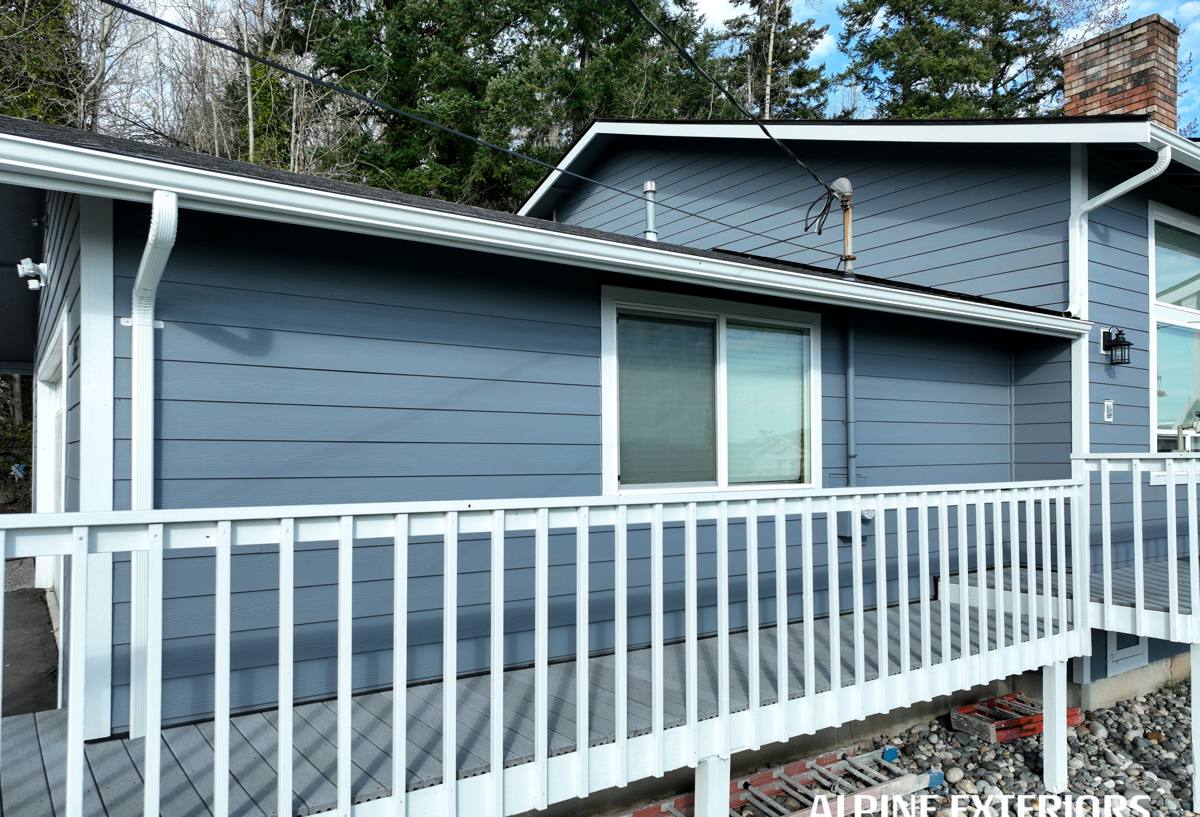
Why Snell Isle Roofs Take a Different Kind of Beating
Being surrounded by open water means less shielding from wind than an inland lot gets from trees, buildings, and terrain. During tropical storms and hurricanes, that translates into higher sustained wind speeds and stronger gusts hitting the roof deck directly. Wind doesn't just push down on a roof — it creates uplift at edges, ridges, and any spot where a shingle or panel has even a slightly lifted edge, which is exactly where storm damage usually starts.
Salt air is the other factor. It accelerates corrosion on exposed metal — flashing, drip edge, fasteners, vent boots with metal collars — and it can shorten the effective life of some roofing materials compared to the same product installed further inland. None of this means a Snell Isle roof can't hold up well; it means the details of the repair (materials, fastening, flashing) need to account for that exposure instead of using an inland-standard approach.
Add in Florida's intense year-round UV, which dries out and embrittles roofing materials over time, and you get a combination — wind, salt, sun, and heavy rain — that shows up as accelerated wear in ways a homeowner further from the water may not deal with for years longer.
What Counts as Storm Damage
Not all storm damage is obvious from the ground. Some of the most costly damage is the kind that doesn't show up until it's already caused a leak. Here's what we look for on a post-storm roof inspection:
- Missing, cracked, or lifted shingles or tiles, especially along ridges, hips, and roof edges where wind uplift concentrates
- Torn or displaced flashing around chimneys, skylights, and roof-to-wall transitions
- Granule loss on asphalt shingles, which shows up as bald patches and means UV and water protection is compromised
- Soffit and fascia damage, which is often the entry point for wind-driven rain even when the main roof field looks fine
- Punctures or dents from wind-blown debris
- Compromised sealant or fastener backing around vent boots and pipe penetrations
- Water staining in the attic or on interior ceilings, which usually means damage happened well before anyone noticed a problem
A roof can look intact from the street after a storm and still have real, active damage. That's why a proper post-storm inspection covers the whole roof system, not just what's visible from the driveway.
What a Correct Repair Actually Involves
Full Diagnosis Before Any Repair
The first step is figuring out the actual extent of the damage, not just patching the spot that's leaking. Wind and water damage often extends beyond the visibly affected area — a missing shingle three feet away can be the real source of a leak showing up somewhere else entirely. We check the roof field, flashing, underlayment where accessible, and attic space before recommending a scope of work.
Matching Materials and Method
Repairs need to match the existing roofing material and installation method, not just visually but functionally — same type of underlayment, compatible flashing metal, and fasteners rated for the exposure. Mismatched materials around a repair are a common source of early re-leaks, especially where two different metals are in contact and salt air speeds up corrosion.
Flashing and Underlayment, Not Just Shingles
Most roof leaks trace back to flashing or underlayment failure, not shingle failure. A repair that only replaces surface shingles without addressing the flashing and underlayment underneath is a temporary fix at best. We treat those layers as part of the repair scope whenever they're in the damage path.
Code and Wind-Rating Compliance
Pinellas County and the state of Florida have specific requirements for roofing repairs and replacements, including wind-uplift standards that matter a great deal in a location like Snell Isle. Any repair we do meets current code requirements for the work performed, which also matters for insurance and for resale down the line.
Our Process
The steps we follow after a storm event:
- Inspection and documentation — a full roof and attic inspection with photos, so you have a clear record of the damage and its likely cause.
- Written scope and honest recommendation — we tell you plainly whether the damage calls for a targeted repair or whether the extent of it means repair isn't the responsible long-term answer.
- Temporary protection if needed — if there's active leaking or an open section of roof, we prioritize getting it weathertight before anything else.
- Repair work — matched materials, correct flashing and underlayment detail, and fastening appropriate for a wind-exposed, coastal-adjacent location.
- Final walk-through — we go over what was done and why, so you understand the repair, not just the invoice.
Repair vs. Replacement: How We Help You Decide
Not every storm-damaged roof needs to be replaced, and not every roof can be responsibly patched. The right call depends on a few factors:
| Factor | Favors Repair | Favors Replacement |
|---|---|---|
| Extent of damage | Localized to one section or slope | Spread across multiple areas or the whole roof |
| Age of existing roof | Roof is relatively young, most of its service life ahead | Roof is already near the end of its expected lifespan |
| Underlying condition | Deck and underlayment sound elsewhere | Deck or underlayment shows wear beyond the storm event itself |
| Material availability | Matching material still available | Discontinued product, visible mismatch unavoidable |
| History of repairs | First significant repair needed | Roof has needed repeated repairs already |
We'll give you a straight answer on which category your roof falls into, along with the reasoning, so you're not guessing.
Working With Your Insurance Claim
Storm damage repairs in this area often involve an insurance claim, and documentation matters as much as the repair itself. We provide detailed photos and a written scope of the damage that you can submit alongside your claim. We don't handle the claim on your behalf or promise a particular outcome from your insurer — that's between you and them — but we make sure the documentation of the actual physical damage is thorough and accurate, which is the part that's in our control.
Why Hiring a Crew That Already Works Snell Isle Matters
A roofer who mostly works inland neighborhoods isn't necessarily going to under-spec a Snell Isle repair on purpose — but exposure this direct to wind, salt air, and driving rain is easy to underestimate if it's not what you deal with regularly. Knowing to check flashing metal compatibility, expect faster fastener corrosion, and detail edges and penetrations for higher wind exposure isn't guesswork after you've repaired roofs on this kind of site repeatedly. It's also worth having a contractor who's familiar with Pinellas County permitting and inspection requirements, so the paperwork side of a repair doesn't become its own headache after a storm.
Signs You Should Have a Roof Checked After a Storm
- Any visible missing or lifted shingles or roofing material, even a small amount
- New water stains on ceilings or in the attic
- Granules collecting in gutters or downspouts after wind or heavy rain
- Soffit or fascia that looks bent, loose, or separated
- A musty smell in upper rooms after a storm, which can mean moisture intrusion before a visible stain appears
- Any roof repair that's now more than 15-20 years old, which is worth a checkup after any significant storm regardless of visible damage
If any of those apply, it's worth having the roof looked at before the next round of wind-driven rain finds the weak spot.
If your Snell Isle home took a hit in the last storm — or you just want a professional set of eyes on the roof before hurricane season tests it again — we're glad to come out for a free, no-pressure estimate. Use the form below to get started.