 St. Petersburg Siding
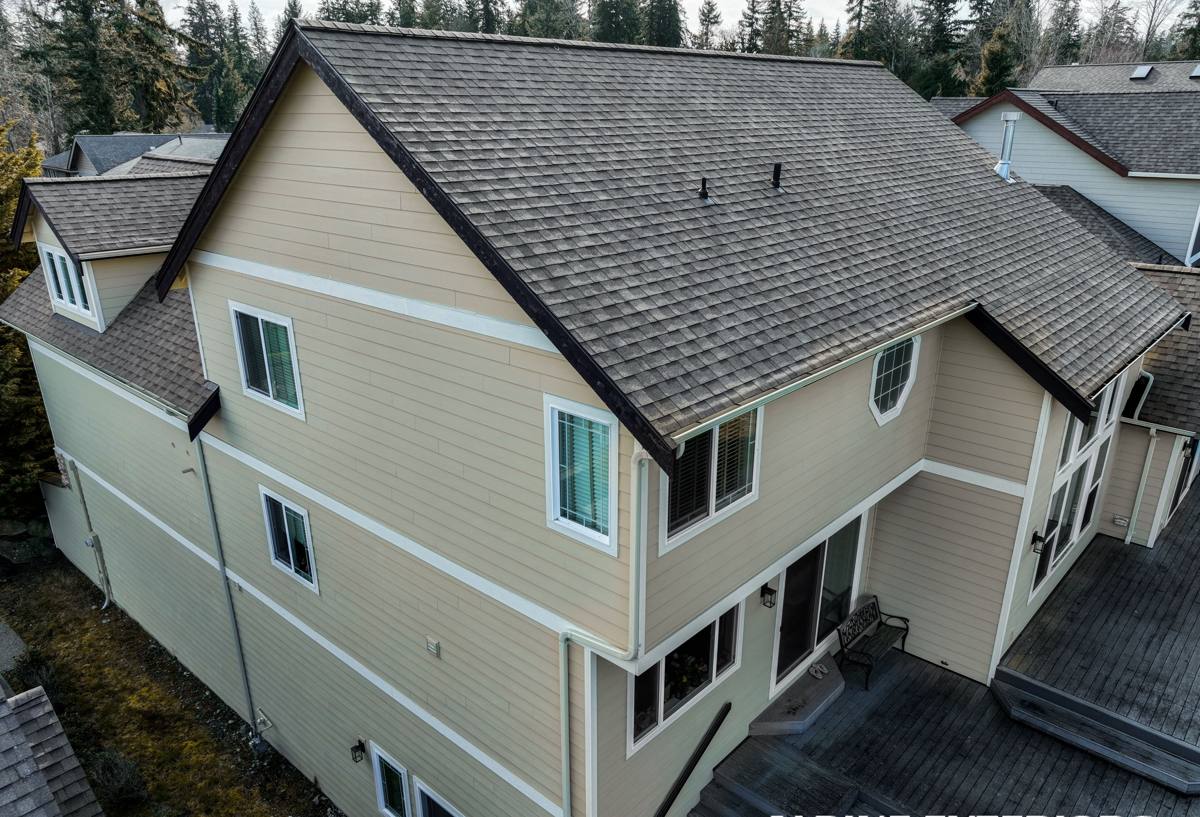
 Deck Replacement Built for Kenneth City's Climate
Kenneth City sits inland from Tampa Bay but still takes the full brunt of Pinellas County weather — long stretches of summer humidity, sudden afternoon downpours, intense UV exposure nearly every month of the year, and the occasional direct hit from tropical systems that push wind-driven rain sideways under eaves and railings. A deck in this neighborhood does not fail the way a deck fails in a drier, cooler climate. It fails from the ground up: posts and footings sitting in wet soil, fasteners corroding from humidity and salt-laden air carried in off the Gulf, and boards cupping or splitting after years of expansion and contraction in the heat-and-rain cycle.
If your deck is graying unevenly, springing at the boards, feeling soft near the stairs, or showing rust streaks around the hardware, it's usually not a cosmetic problem — it's a structural one that's been building for years. Replacement, done correctly for this climate, is often the more honest and more economical answer than another round of patch repairs.
Why Decks Wear Out Faster Here Than Homeowners Expect
Most homeowners are surprised by how much faster a deck ages in St. Petersburg and Pinellas County compared to decks up north. A few reasons stand out:
- UV breakdown: Central Florida gets some of the most direct, consistent sun exposure in the continental U.S. UV rays break down the lignin in wood fibers and degrade the UV inhibitors in composite decking over time, leading to fading, surface roughness, and brittleness.
- Wind-driven rain intrusion: Storms here don't just fall straight down — wind pushes rain up under ledger boards, into fastener holes, and behind rim joists where it can sit and rot framing that's never visible from the surface.
- Salt air corrosion: Even away from the immediate coastline, Gulf-carried salt air accelerates corrosion on standard fasteners, brackets, and connectors. Hardware that would last decades inland can weaken in a fraction of that time here.
- Ground moisture and drainage: Pinellas County's flat terrain and high water table mean post footings often sit in soil that stays damp longer after rain events, which speeds up rot at the base of wood posts that aren't properly isolated from ground contact.
- Hurricane-force wind loading: Even decks that never see a direct hurricane hit still experience repeated high-wind events over their lifespan, which stresses ledger attachments and railing posts far more than a typical inland deck ever sees.
Signs a Kenneth City Deck Needs Replacement, Not Repair
Not every aging deck needs a full teardown. But there are signs that tell us repair would just be delaying the inevitable — and spending money on a deck that's already lost its structural integrity:
- Soft, spongy, or springy spots in the decking surface, especially near stairs or high-traffic areas
- Visible gaps opening up between boards from repeated wet-dry cycling
- Rust streaking or crumbling hardware around joist hangers and railing posts
- A ledger board that's separating or shows staining where it meets the house
- Posts that feel loose or show rot at the base where they meet the footing
- Railings that flex or wobble more than they used to
- A deck that's more than 15-20 years old and has never had the substructure inspected
If your deck shows two or more of these, a proper inspection is worth doing before you spend money on cosmetic fixes that won't address what's happening underneath.
What a Correct Deck Replacement Involves
Full Removal, Not Resurfacing
A real replacement means removing the old decking, railings, and — where compromised — the framing and posts down to sound material. Resurfacing over a rotting or undersized substructure just hides the problem and shortens the life of whatever new boards go on top. We inspect every joist, ledger connection, and post before deciding what stays and what goes.
Ledger Attachment Done Right
The ledger board — where the deck attaches to the house — is the single most common failure point in deck collapses nationwide, and it's especially vulnerable here because wind-driven rain constantly tests the seal at that connection. A correct rebuild uses proper flashing, structural lag bolts or through-bolts (not deck screws), and a documented gap or flashing detail that keeps water from wicking into the house's structure.
Footings and Posts Sized for Wet Ground
Given the high water table and periodic saturated soil common across Pinellas County, footings need to be set to proper depth and the posts protected from direct ground contact using appropriate post bases rather than burying wood directly in concrete or soil.
Fasteners and Hardware Rated for Coastal Exposure
Standard galvanized hardware corrodes faster in Gulf Coast air than most homeowners expect. We use fasteners and connectors rated for coastal or high-corrosion environments — stainless steel or heavy-duty coated hardware appropriate to the decking material — because replacing hardware later means tearing into finished decking again.
Code-Compliant Railings and Stairs
Railing height, baluster spacing, and stair stringer specifications are governed by Florida Building Code and local Pinellas County amendments. We build to those specs as a baseline, not an upsell — it's what keeps the deck safe and what keeps you from problems at resale or insurance inspection time.
Choosing a Decking Material for This Climate
There's no single "best" decking material for every home — it depends on budget, maintenance tolerance, and how much sun and rain exposure the deck actually gets. Here's how the common options compare for a Kenneth City installation:
| Material | Sun/Heat Performance | Moisture Behavior | Maintenance |
|---|---|---|---|
| Pressure-treated pine | Fades and can check/split under heavy UV over time | Resists rot when properly treated and sealed; needs re-sealing | Annual cleaning and periodic re-staining/sealing |
| Composite decking | Stays cooler-toned options fade less; dark colors can get hot underfoot | Doesn't rot, but lower-quality composites can absorb moisture at cut edges if not capped | Low — periodic washing, no staining or sealing |
| Tropical hardwoods (e.g., ipe) | Naturally UV- and rot-resistant, very dense | Excellent natural moisture resistance | Moderate — periodic oiling to maintain color, though structurally low-maintenance |
| PVC decking | Very stable in heat, resists fading with quality products | Fully moisture-proof, ideal for humid climates | Low — occasional cleaning only |
We'll walk through these trade-offs honestly during your estimate — the right choice depends on how you actually use the deck and what kind of upkeep you're willing to do, not on pushing the highest-margin product.
Our Deck Replacement Process
- On-site inspection: We assess the existing deck's framing, ledger connection, posts, and footings to determine what's driving the failure and what a proper rebuild requires.
- Written estimate: You get a clear scope of work and pricing before anything is scheduled — no surprise change orders for work that should have been identified up front.
- Permitting: Deck replacement in Pinellas County typically requires a building permit, especially for structural work involving footings, posts, or ledger attachment. We handle that process as part of the job.
- Demolition and disposal: Old decking, railings, and compromised framing are removed and hauled off — your yard isn't left as a staging area for days.
- Structural rebuild: Ledger, footings, posts, and framing are rebuilt to current code before any decking material goes down.
- Decking, railing, and stair installation: Installed per manufacturer specs and Florida Building Code requirements for fastening pattern, spacing, and railing height.
- Final walkthrough: We go over the finished deck with you and cover basic care so the material performs the way it's supposed to for this climate.
Why Hiring a Crew That Already Works Kenneth City Matters
Deck replacement isn't a one-size-fits-all job, and a contractor who mostly works in a different climate or region can make assumptions that don't hold up here — under-specifying fastener corrosion resistance, missing proper flashing details for wind-driven rain, or not accounting for how quickly ground moisture affects footings in this part of Pinellas County. A crew that's actively working in and around St. Petersburg and Kenneth City knows the permitting process with the county, understands what inspectors are checking for on ledger attachments and post footings, and has already seen firsthand how untreated hardware or undersized framing fails in this environment. That local pattern recognition is the difference between a deck that needs attention again in five years and one that holds up through a full decade of Gulf Coast summers and storm seasons.
What to Ask Before Hiring Anyone for Deck Work
- Are you licensed and insured to do structural deck work in Pinellas County?
- Will this project require a building permit, and who pulls it?
- What fastener and hardware grade will you use given the coastal air here?
- How will the ledger board be attached and flashed against wind-driven rain?
- What's your plan for the post footings given how wet this ground gets after storms?
- Is the estimate written, itemized, and inclusive of demolition and disposal?
A contractor who answers these clearly and specifically — rather than with vague reassurances — is one who's actually thought through what this climate demands.
Ready to Talk About Your Deck?
If your deck is showing its age or you're just not sure whether it needs repair or full replacement, we're happy to take a look and give you an honest read on where it stands. Request a free, no-pressure estimate using the form below, and we'll walk you through what we find and what it would take to get it right.