 St. Petersburg Siding
 Building Decks That Actually Hold Up in Seminole
Seminole sits in Pinellas County a few miles off the Gulf, close enough that salt-laden air, wind-driven rain, and long stretches of direct UV exposure all factor into how a deck is built and how long it lasts. A deck that would be fine in a drier, inland climate can start showing problems here in a fraction of the time — corroding fasteners, cupped boards, loosening rail posts — if it wasn't built with this specific environment in mind. We build and repair decks for homeowners throughout the Seminole area, and the approach we use reflects what actually happens to a deck here over five, ten, and twenty years, not just what looks good on installation day.
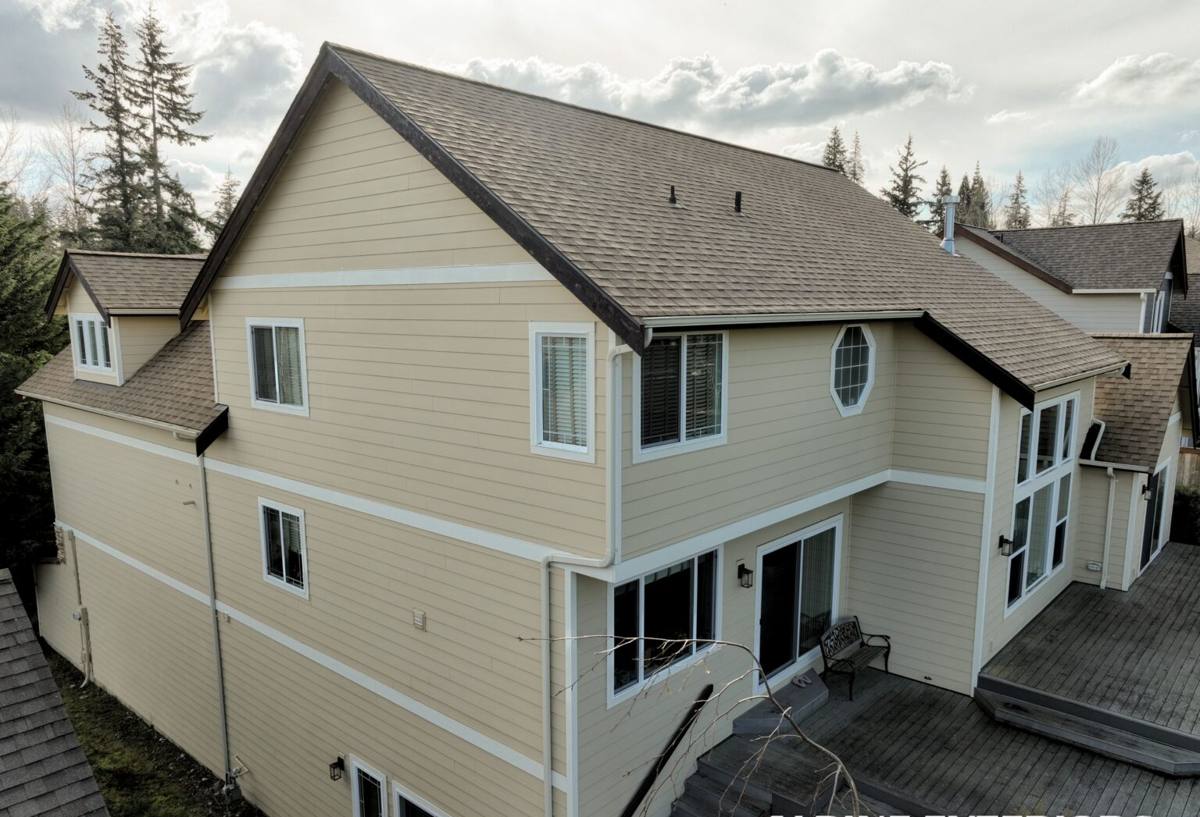
What Seminole's Climate Actually Does to a Deck
Salt Air and Corrosion
Even homes that aren't waterfront in Seminole get airborne salt carried in off the Gulf and Tampa Bay. Salt accelerates corrosion in any exposed metal — nails, screws, joist hangers, bolts, and railing brackets. On a lot of older decks we inspect, the framing lumber is still structurally sound but the fasteners holding it together are rusted, streaking, or failing. That's a hardware problem, not a wood problem, and it's entirely preventable with the right materials from the start.
UV Exposure
Florida sun is intense and consistent almost year-round. Wood decking that isn't sealed or maintained will gray, split, and develop surface checking faster here than in most parts of the country. Composite decking fades less dramatically, but not all composite products resist UV equally — cheaper caps and older-generation composites can still chalk or fade unevenly over time.
Wind-Driven Rain and Moisture
Pinellas County storms don't just drop rain straight down — wind pushes it sideways, into ledger board connections, under railing posts, and into any gap where flashing or sealant is missing or done wrong. Ledger board rot at the house connection is one of the most common structural issues we find on older decks, and it's almost always traceable to missing or improper flashing at the point where the deck meets the house.
Hurricane and High-Wind Loading
Decks attached to a home need to resist uplift and lateral loads during high-wind events, not just carry the weight of people standing on them. Railings, in particular, take wind loading directly and need to be anchored to resist both push and pull forces, not just screwed to the rim joist.
What a Correctly Built Deck Involves
Ledger Attachment and Flashing
The ledger board — where the deck attaches to the house — is the single most important connection on an attached deck and the most common source of failure when done poorly. It needs proper flashing to keep water out of the house rim joist, correct fastener spacing and type, and in many cases through-bolting rather than lag screws alone, depending on span and load.
Footings and Post Bases
Footing depth and post base hardware matter more here than in dry, stable soil regions because Pinellas County's sandy, often high-water-table soil behaves differently under load than clay or rocky soil. Post bases should keep wood off direct ground contact and use corrosion-resistant hardware given the salt air exposure.
Framing Hardware and Fasteners
This is where we see the most corner-cutting on older or budget builds. In a coastal-influenced climate like Seminole's, joist hangers, structural screws, and connector hardware should be stainless steel or a coating rated for coastal/salt exposure — not standard galvanized, which corrodes faster than manufacturers' general ratings suggest once salt air is a regular factor.
Railing and Guard Systems
Railings need to meet Florida Building Code guard height and baluster spacing requirements, and the posts need to be anchored in a way that resists wind load, not just fastened for appearance. This is one of the areas we most often find under-built on decks we're asked to repair or replace.
Decking Material Options for Seminole Homes
There isn't one right material for every homeowner — it depends on budget, maintenance appetite, and how exposed the deck is to sun and salt. Here's how the common options actually compare in this climate:
| Material | UV / Fade Resistance | Salt Air Durability | Maintenance | Typical Lifespan Here |
|---|---|---|---|---|
| Pressure-treated pine | Fades and grays without sealing | Good if fasteners/hardware are corrosion-resistant | Needs sealing/staining every 1-2 years | 10-20 years with upkeep |
| Composite decking | Strong, varies by product line | Very good — doesn't rot or corrode | Occasional cleaning, no sealing | 20-30+ years |
| Tropical hardwood | Grays without oiling | Naturally dense, resists rot well | Regular oiling to maintain color | 20-30 years with upkeep |
| Aluminum railing systems | Excellent, doesn't fade like paint | Excellent when properly coated | Minimal — occasional wash | 25+ years |
We're straightforward about trade-offs. Wood costs less up front but demands ongoing sealing and staining to hold up under Florida sun, and skipping that maintenance shortens its life fast. Composite costs more initially but removes most of the maintenance burden, which matters to a lot of Seminole homeowners who'd rather spend a weekend at the beach than resealing a deck every spring.
Permitting and Wind Load in Pinellas County
Deck construction in Seminole falls under Pinellas County and Florida Building Code requirements, which include wind load provisions given the area's hurricane exposure. That means engineered connections at the ledger, code-compliant footing sizing, and railing systems that meet guard and load requirements — not just what looks sturdy. Skipping permitting on a deck build isn't just a compliance issue; it also means no third-party inspection ever confirmed the structural connections were done right, which matters a lot when the deck is what your family is standing on during a summer storm.
How Our Process Works
- Free on-site estimate — we look at your yard, house connection point, sun/shade exposure, and talk through what you actually want to use the space for.
- Design and material selection — sizing, layout, decking material, and railing style, matched to your budget and maintenance preference.
- Permitting — we handle the Pinellas County permit and engineering documentation where required.
- Framing and ledger installation — proper flashing, corrosion-resistant hardware, and code-compliant footings and connections.
- Decking, railing, and finish work — installed to manufacturer specs so warranties stay valid.
- Final walkthrough — we go over care and maintenance specific to the material you chose before we consider the job done.
Maintaining a Deck in a Salt Air, High-UV Climate
Even a well-built deck needs some ongoing attention in this environment. Here's what actually makes a difference:
- Rinse off salt residue and debris periodically, especially after storms with onshore wind
- Check railing posts and stair connections yearly for looseness — wind loading works hardware loose over time
- Reseal or restain wood decking on a regular schedule rather than waiting until it visibly grays
- Keep gutters and downspouts directing water away from the deck footing area
- Inspect ledger board flashing after major storms for signs of water intrusion at the house connection
- Clean composite decking with mild soap and water — avoid pressure washing directly into board seams
- Watch for rust streaking around fasteners, which signals hardware that should be replaced before it fails
Problems We Commonly Find on Older Seminole Decks
When homeowners call us about a deck that "just doesn't feel right" anymore, a handful of issues come up repeatedly: standard galvanized hardware that's corroded from years of salt exposure, ledger boards with hidden rot behind missing or failed flashing, railing posts that were surface-mounted instead of properly through-bolted, and wood decking that was never sealed and has developed deep checking and soft spots. Most of these are fixable, and catching them early is a lot cheaper than a full rebuild — but they're also exactly the kind of shortcuts that show up when a deck wasn't built with this climate in mind from day one.
Why a Crew That Already Works in Seminole Matters
Building a deck that holds up here isn't about a completely different skill set — it's about consistently making the right material and hardware calls for a coastal-influenced, hurricane-exposed climate instead of defaulting to whatever's standard elsewhere. A crew that regularly works in Seminole and the surrounding St. Petersburg area already knows which fastener grades hold up, how local wind exposure affects railing anchoring, and what Pinellas County permitting actually requires — so it's built in from the start rather than something that gets flagged in an inspection or discovered the hard way a few years down the road.
If you're considering a new deck or need an honest look at one that's showing its age, we're happy to come out, take a look, and give you a straightforward, no-pressure estimate — just fill out the short form below to get started.