 St. Petersburg Siding
 Composite Decking Built for Coquina Key's Waterfront Conditions
Coquina Key is one of St. Petersburg's canal-front communities, which means a lot of homes here have outdoor living space that's meant to be used — patios, pool decks, and dock-adjacent decking that sit close to open water for a good part of the year. That's exactly the kind of environment where the wrong decking material, or the right material installed the wrong way, turns into a maintenance headache within a few seasons. Composite decking has become the go-to choice for homeowners in this neighborhood because it's built to handle sun, moisture, and salt exposure without the sanding, staining, and sealing that wood decking demands on a coastal lot.
This page covers what composite decking actually needs to hold up in Coquina Key specifically — not decking in general — and what our installation process looks like from first visit to final walkthrough.
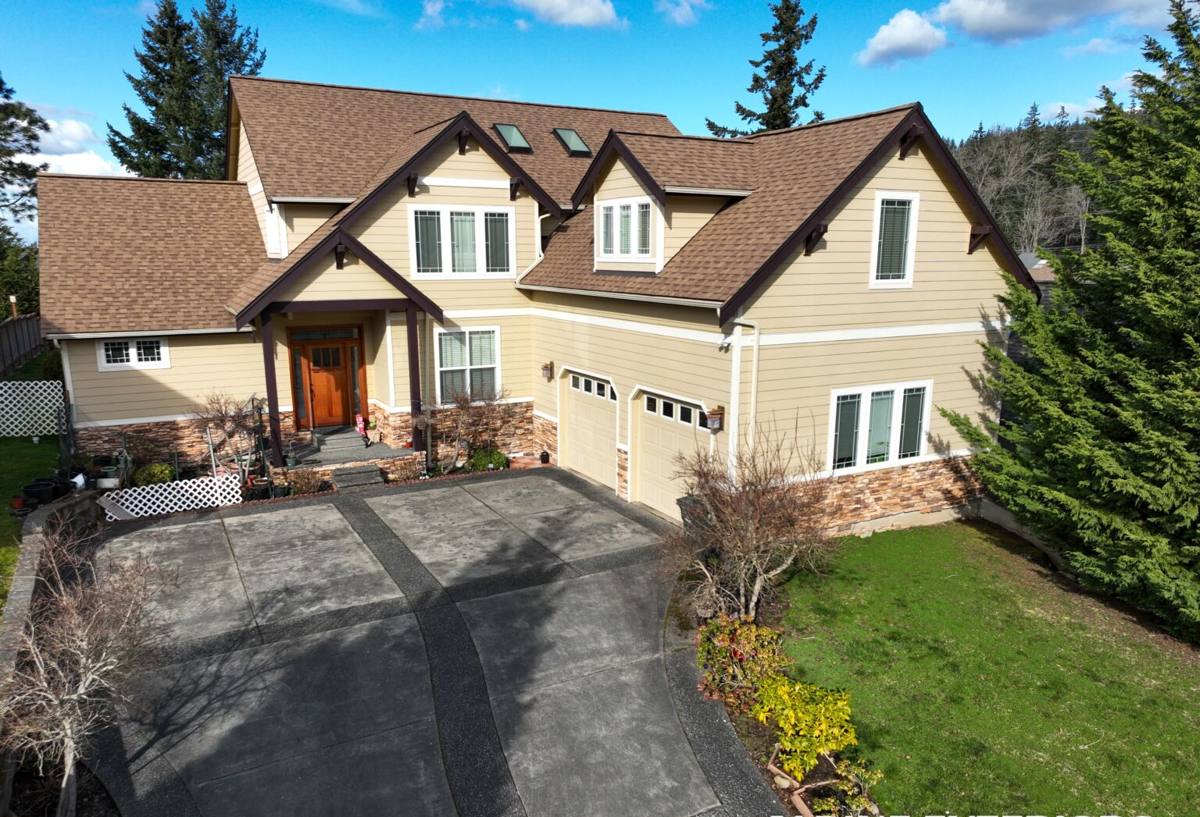
What Pinellas County's Climate Does to a Deck
St. Petersburg sits on a peninsula surrounded by Tampa Bay and the Gulf, and Coquina Key's canal lots put homes even closer to that salt-laden air. Four things drive almost every decking failure or premature repair we see in this area:
Intense, Year-Round UV
Florida doesn't really have an off-season for sun exposure. Wood decking greys and checks (small surface cracks) within a year or two without regular refinishing. Lower-grade composite boards without UV-stable pigments and a protective cap can fade unevenly, especially where furniture or planters block partial sun.
Wind-Driven Rain
Storms here rarely drop rain straight down — wind pushes it sideways and up under boards, into fastener holes, and against ledger boards where the deck meets the house. Any gap in flashing or drainage becomes a spot for standing water and, on wood-framed substructures, rot.
Salt Air
Being this close to the water accelerates corrosion on anything metal — screws, joist hangers, railing hardware. Standard zinc-coated fasteners can start rusting and staining boards within a couple of years on a canal lot. This is one of the most overlooked factors in a deck's actual lifespan here.
Hurricane-Force Wind
Pinellas County decks need to stay attached to the house and to the ground through tropical storms and hurricanes, not just look good on a calm day. That means the ledger attachment, post footings, and railing anchoring all matter as much as the decking material itself.
Composite vs. Wood Decking in a Coastal Environment
We install both, but for Coquina Key's climate, most homeowners land on composite once they see the maintenance difference laid out plainly.
| Factor | Composite Decking | Pressure-Treated Wood |
|---|---|---|
| UV/fading resistance | Capped boards hold color well for years; some fading is still normal over time | Greys and fades within 1–2 years without refinishing |
| Moisture/rot risk | Core resists moisture absorption; capped boards shed water rather than soak it in | Prone to rot, cupping, and splintering without regular sealing |
| Salt air/fastener corrosion | Requires coastal-rated fasteners and hardware regardless of board material | Same fastener risk, plus wood swells and loosens around corroding screws |
| Routine maintenance | Periodic washing; no sanding, staining, or sealing | Sanding and re-sealing every 1–2 years to keep it protected |
| Heat underfoot | Darker colors can get hot in direct sun; lighter tones perform better on pool decks | Stays cooler but surface can splinter as it weathers |
| Typical lifespan | 25–30+ years with minimal upkeep | 10–15 years, often less near saltwater with inconsistent maintenance |
Wood still has its place — some homeowners want that specific look or are working within a tighter budget on a smaller project. We'll give you an honest read on both during your estimate rather than push one product regardless of your situation.
What a Correct Composite Deck Build Actually Involves
The board itself is only part of the equation. Most of the failures we get called out to inspect on existing decks trace back to substructure and fastening decisions made during the original install, not the decking material.
Substructure and Framing
Joist spacing needs to match the manufacturer's specifications for the board profile you choose — this varies more than people expect, and undersized framing leads to bounce and long-term sagging. On canal or low-elevation lots, we also pay close attention to ground clearance and airflow underneath the deck so moisture doesn't get trapped.
Fasteners and Hardware
This is where coastal installs diverge most from inland ones. We use stainless steel or coated corrosion-resistant fasteners and hidden fastener clip systems rated for salt-air exposure. Cutting corners here is the single biggest reason we see streaking, staining, and hardware failure on decks that are only a few years old.
Flashing and Ledger Attachment
Where the deck attaches to the house, proper flashing keeps wind-driven rain from getting behind siding or into the band joist. This connection also needs to be engineered to handle hurricane-force wind loads, not just the static weight of furniture and people.
Drainage and Board Spacing
Composite boards expand and contract with heat more than wood does. Correct gapping between boards isn't just for looks — it allows for that movement and lets water drain through instead of pooling on the surface.
Our Installation Process
- On-site assessment — we look at your existing deck or the build site, note elevation, drainage, sun exposure, and proximity to the canal.
- Product selection — we walk you through board profiles, colors, and price tiers based on how you actually use the space (pool deck, dock access, shaded patio).
- Permitting — we handle the permit application through the appropriate local authority before any work starts.
- Demo (if replacing) — removal of old decking and inspection of the substructure underneath, which is often where hidden problems turn up.
- Framing and structural work — repair or rebuild the substructure to current load and spacing requirements.
- Decking installation — boards installed with coastal-rated hardware and manufacturer-specified spacing.
- Railing, stairs, and trim — finished out to match the board system.
- Final walkthrough — we go over care and cleaning with you before we consider the job done.
Choosing the Right Composite Board for a Canal-Front Home
Not every composite product is built the same, and this matters more in Coquina Key than in a lot of other neighborhoods we work in.
Capped vs. Uncapped Composite
Capped composite has a polymer shell wrapped around the core that resists moisture, staining, and fading — this is what we recommend for anything close to the water. Uncapped composite is more affordable but absorbs more moisture over time and can be more prone to mold and mildew in humid, salty air.
Color and Heat
Darker board colors can get noticeably hot underfoot in direct Florida sun, which matters if you're barefoot around a pool. Lighter and mid-tone colors are usually a better fit for uncovered pool decks; covered lanai-style decks have more flexibility.
Railing and Hardware Finish
Match your railing hardware finish to the same coastal-rated standard as your decking fasteners. Mixed-grade hardware is a common shortcut that shows up as rust streaks within a year or two.
Permits and Local Requirements
Most attached deck construction and replacement in St. Petersburg and unincorporated Pinellas County requires a permit, and that's especially true for anything structural or near the water on a canal lot. Permitting also confirms your build meets current wind-load requirements — not a formality to skip, since it protects both the structure and your homeowner's insurance standing after a storm. We handle this step as part of the job rather than leaving it on the homeowner's plate.
Maintaining Your Composite Deck
One of the real advantages of composite is how little upkeep it needs — but "low maintenance" isn't "no maintenance," especially this close to saltwater.
- Rinse or wash the deck surface periodically to clear salt residue, pollen, and organic debris
- Clean up standing water or leaf litter in board gaps so drainage channels stay clear
- Check railing and stair hardware annually for early signs of corrosion
- Trim back landscaping that shades the deck constantly, which can trap moisture and encourage mildew
- Inspect the substructure from underneath once a year if accessible, especially after a significant storm
- Address any soft spots, loose boards, or hardware issues promptly rather than waiting for them to spread
Why Hire a Crew That Already Works Coquina Key
A contractor who mainly builds decks inland doesn't always think about ground clearance on a canal lot, salt-air fastener selection, or how wind-driven rain behaves against a house facing open water. We work throughout St. Petersburg and Pinellas County, and jobs in canal-front neighborhoods like Coquina Key come with a specific set of decisions — hardware grade, board spacing, drainage, and ledger flashing — that get built in from the start rather than fixed later as a warranty claim. That local familiarity is what keeps a deck performing years down the line instead of needing early repairs.
If you're considering a new composite deck or replacing an aging one in Coquina Key, we're happy to walk the site with you and give you a straight, no-pressure estimate — just fill out the form below.