 St. Petersburg Siding
 Asphalt Shingle Roofing in Coquina Key
Coquina Key sits on a peninsula surrounded by water on nearly every side, which means homes here take a different kind of beating than roofs a few miles inland. Between the open exposure off Big Bayou and Little Bayou, the salt-laden air, and the sun that beats down on these roofs nearly every day of the year, an asphalt shingle roof in this neighborhood works harder than the same roof would almost anywhere else in Pinellas County. We install and repair asphalt shingle roofing for Coquina Key homeowners with that reality built into every decision, from the underlayment we choose to how we fasten the field shingles.
This page covers what asphalt shingle roofing needs to hold up in this specific location, what a correct installation or repair actually involves, and why it's worth hiring a crew that already knows this neighborhood's roofs rather than a general contractor working from a generic spec sheet.
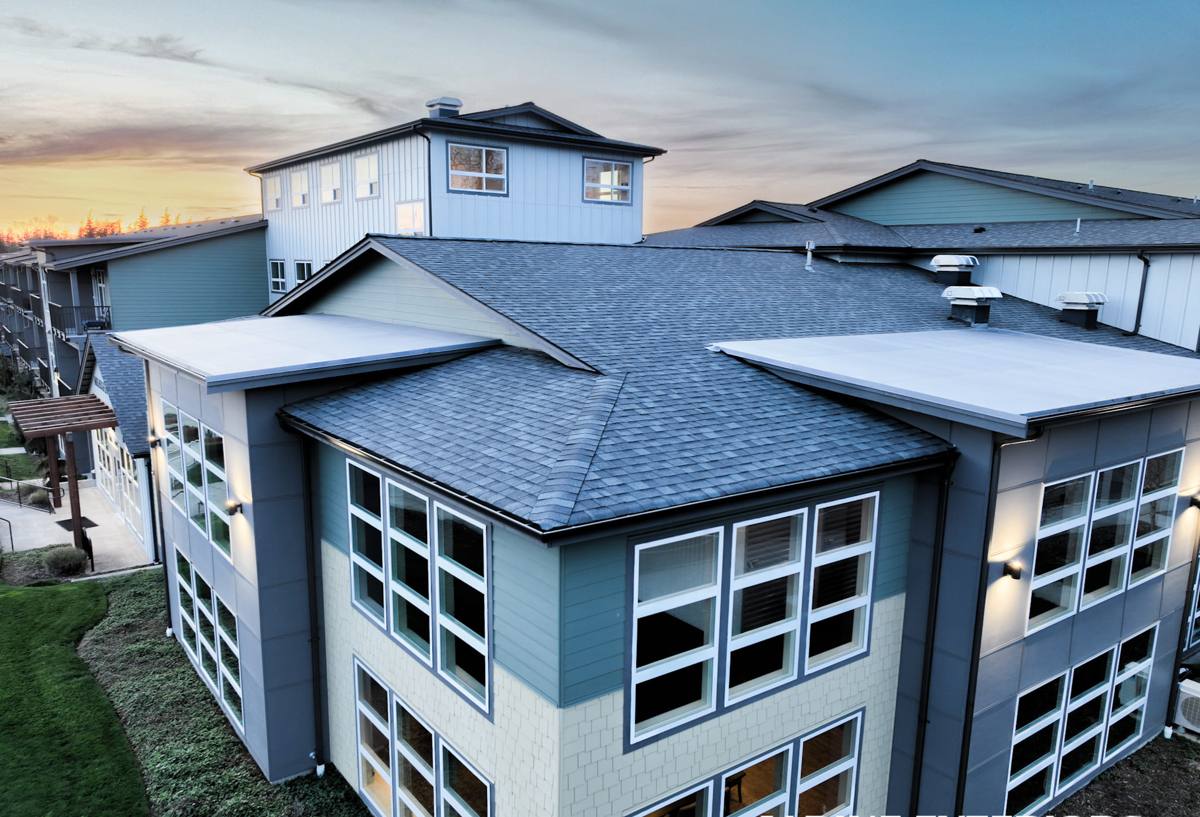
Why Coquina Key Is a Tougher Environment for Shingle Roofs
St. Petersburg sits on a peninsula, and Coquina Key sits even further out on the water. That proximity to open water changes the math on roofing durability in a few specific ways:
- Wind exposure. With water on multiple sides and few tall structures to break the wind, gusts reach these roofs with less resistance than they would in a more built-up, inland part of the city. During tropical storms and hurricanes, that translates directly into higher uplift pressure on shingles and edge metal.
- Salt air corrosion. Airborne salt doesn't just affect metal railings and pool cages — it accelerates the breakdown of exposed fasteners, drip edge, and any unprotected metal roofing components. Roofs closer to the water age faster than roofs sitting further inland, all else being equal.
- Wind-driven rain. A storm doesn't just drop rain straight down here — it drives it sideways, up under shingle tabs, and into any gap in flashing or underlayment that wouldn't be a problem in a calmer climate.
- Year-round UV load. Florida's sun doesn't take an off-season. Shingle granules — the layer that protects the asphalt mat underneath from UV breakdown — wear down faster here than in most of the country, which is why product selection and proper ventilation matter more, not less, in this climate.
None of this means asphalt shingles are the wrong choice for Coquina Key — they remain one of the most cost-effective, widely available roofing materials on the market, and quality architectural shingles rated for high wind are built to handle Florida conditions. It does mean the installation details matter more here than they would in a milder climate, and cutting corners shows up sooner.
What a Correct Shingle Roof Installation Involves
A shingle roof is a system, not just a layer of shingles nailed to plywood. Each layer does a specific job, and skipping or under-specifying any one of them is where premature leaks and wind failures come from.
Deck Inspection and Prep
Before anything goes down, the roof deck itself needs to be sound — no soft spots, no delaminated plywood, nothing that will flex under foot traffic or wind load. Any damaged decking gets replaced before underlayment goes on. Skipping this step is one of the most common shortcuts taken by crews trying to move fast, and it's invisible until the roof starts failing from underneath.
Underlayment
This is the roof's real waterproofing layer — the shingles are the weather shell, but the underlayment is what keeps water out if wind ever drives rain up under a shingle tab. Given the wind-driven rain this neighborhood sees, a synthetic underlayment or self-adhering membrane at vulnerable areas (eaves, valleys, penetrations) is the right call, not a bare-minimum felt layer.
Flashing
Flashing around chimneys, skylights, walls, and roof-to-wall transitions is where the majority of roof leaks actually originate — not through the shingle field itself. Salt air accelerates corrosion on cheap or thin flashing metal, so material choice and proper step-flashing technique matter more here than in a drier, inland climate.
Shingle Selection and Wind Rating
Not all asphalt shingles are rated the same for wind. In a coastal-adjacent neighborhood like Coquina Key, we spec shingles with a wind rating appropriate for the exposure — and we install them according to the manufacturer's high-wind nailing pattern, which typically means more fasteners per shingle than a standard installation, placed in the manufacturer's specified nail zone.
Ventilation
Proper attic ventilation keeps shingles cooler and extends their lifespan, and it also protects the deck and structure from moisture buildup. In a climate with this much UV and heat load, ventilation isn't a cosmetic add-on — it directly affects how long the shingles last before granule loss and mat brittleness set in.
Comparing Shingle Options for Coastal-Adjacent Homes
Homeowners often ask what actually separates a "builder-grade" shingle roof from one built to hold up in this neighborhood. Here's how the common choices stack up on the factors that matter most in Coquina Key's climate:
| Factor | 3-Tab Shingles | Architectural (Laminated) Shingles |
|---|---|---|
| Typical wind rating | Lower — generally not the best fit for high-exposure lots | Higher-rated options widely available, better suited to open exposure |
| UV / granule wear | Thinner profile wears faster under constant sun | Heavier mat and thicker granule layer holds up longer |
| Wind-driven rain resistance | Standard nailing pattern, less resistant to lifting | Larger surface contact and adhesive strips improve seal |
| Upfront cost | Lower material and labor cost | Higher upfront cost, generally longer service life |
| Best fit | Interior lots, budget-driven projects | Water-exposed or wind-exposed lots like Coquina Key |
We'll walk through both options honestly during an estimate — the right choice depends on your specific roof, budget, and how long you plan to stay in the home, not a one-size-fits-all recommendation.
Repair, Recover, or Full Replacement
Not every roof problem on Coquina Key means a full tear-off. We evaluate three tiers of work depending on the roof's age, condition, and damage extent:
Targeted Repair
Isolated wind damage, a cracked pipe boot, or a section of lifted shingles after a storm can often be repaired without touching the rest of the roof — provided the shingles are still within their service life and matching material is available.
Recover
In limited cases where the existing deck and underlayment are sound and local code allows it, a new shingle layer can go over the existing one. This isn't the right call for every roof — especially where wind exposure is high — since it can affect the wind rating and warranty of the new shingles. We'll tell you plainly if recover isn't a good fit for your situation rather than pushing it as a cheaper shortcut.
Full Tear-Off and Replacement
For roofs at or past their expected service life, or with underlying deck damage, a full tear-off lets us inspect and repair the deck, install fresh underlayment and flashing throughout, and start the shingle warranty clean. Given the wind and salt exposure in this part of St. Petersburg, this is usually the more reliable long-term option once a roof is showing its age.
Storm Damage and Insurance Considerations
Coquina Key homeowners deal with a real risk of tropical storm and hurricane damage most years. A few practical points worth knowing:
- Wind damage isn't always obvious from the ground — lifted or creased tabs, exposed nail heads, and granule loss in the gutters are signs worth a closer look after any significant storm.
- Document damage with photos as soon as it's safe to do so, before any repairs begin, since insurers typically want to see the roof's condition immediately after the event.
- A roof that's already near the end of its service life is more likely to show storm damage than a newer roof — regular inspection helps you know where yours stands before the next storm season.
- We provide honest, written assessments of storm damage that you can use in an insurance claim — we don't inflate damage findings or recommend replacement when a repair is genuinely sufficient.
Our Process for Coquina Key Roofing Projects
- On-site inspection. We walk the roof (or use appropriate access methods for steep or unsafe sections) and check the deck, flashing, ventilation, and shingle condition, not just what's visible from the driveway.
- Honest scope and written estimate. You'll get a clear breakdown of what's needed — repair, recover, or replacement — with material options and pricing explained in plain terms, no pressure tactics.
- Material selection. We help you choose a shingle product and wind rating appropriate for this location, balancing upfront cost against long-term durability for your specific roof.
- Installation to manufacturer and high-wind specifications. Deck repair as needed, correct underlayment, proper flashing detail work, and manufacturer-specified fastening patterns.
- Final walkthrough. We review the completed work with you, including cleanup, before considering the job done.
Questions to Ask Any Roofing Contractor in Coquina Key
Whoever you hire for shingle roofing on this side of St. Petersburg, it's worth asking these questions before signing anything:
- What wind rating are the proposed shingles, and is the nailing pattern specified for high-wind installation?
- What underlayment is being used, and is it upgraded at eaves, valleys, and penetrations?
- Is the existing deck being inspected and repaired as needed, or just covered over?
- What flashing material is being used, and is it appropriate for salt-air exposure?
- Is the estimate itemized, or is it a single lump-sum number with no breakdown?
- Does the contractor carry current licensing and insurance appropriate for roofing work in Pinellas County?
A contractor who works this neighborhood regularly should be able to answer all of these without hesitation. If you're getting vague answers, that's worth treating as a warning sign.
Why Local Experience in Coquina Key Matters
A roofing crew that only occasionally works this part of St. Petersburg may not think twice about specifying a standard nailing pattern or a builder-grade underlayment — because on an inland roof, that might hold up fine. On a Coquina Key roof, that same shortcut shows up as lifted shingles after the next round of tropical storm winds, or a leak that starts at the flashing after a few seasons of salt exposure. Working this neighborhood regularly means we already factor in the wind exposure, the salt air, and the storm risk without having to relearn it project by project. That familiarity translates into fewer surprises and a roof that's actually specified for where it sits, not for average conditions somewhere else in the county.
Get an Honest Look at Your Roof
If your Coquina Key home needs a shingle roof repair, recover, or full replacement, we're happy to come take a look and give you a straightforward, no-pressure assessment of where things stand. Reach out for a free estimate using the form below, and we'll walk you through your options in plain terms.