 St. Petersburg Siding
 Bartlett Park is one of St. Petersburg's older, established neighborhoods, with a mix of early-to-mid-century bungalows and newer infill homes sitting under mature tree canopy just south of downtown. That combination — older roof decking on some homes, heavy shade on others, and a location a few miles from Tampa Bay — means asphalt shingle roofs here take a different kind of beating than a roof out in a newer subdivision with no tree cover and full sun exposure. If you're planning a shingle roof replacement or repair in Bartlett Park, it helps to understand what the climate does to a roof here and what a correctly installed system actually looks like.
Why Bartlett Park's Climate Is Hard on Asphalt Shingle Roofs
Every roof in Pinellas County deals with the same basic climate stressors, but a neighborhood like Bartlett Park layers a few of its own on top.
Hurricane-Force Wind
St. Petersburg sits in a wind-borne debris region, and shingles are rated for sustained wind speeds, not gusts. During a tropical system, gusts can exceed a shingle's rating even when the product is installed correctly, but the far more common failure isn't the shingle itself — it's the installation. Shingles that were hand-nailed too high, under-nailed, or nailed with a gun set to the wrong depth will lift and peel long before a properly fastened roof does.
Year-Round UV and Heat
Central Florida sun is relentless for twelve months, not just summer. UV exposure breaks down the asphalt oils in a shingle over time, causing the mat to become brittle and granules to shed. On homes in Bartlett Park with mature oak or palm canopy, shade can actually reduce UV degradation on parts of the roof — but it also traps moisture, which brings its own problems.
Wind-Driven Rain
It's rarely the volume of rain that causes leaks here — it's rain moving sideways under wind pressure. Water gets pushed up and under shingle edges, into nail penetrations, and around any flashing that wasn't sealed correctly. A shingle roof that would shed water fine in a calm downpour can leak badly in a wind-driven storm if the underlayment and flashing details weren't done right the first time.
Salt Air
Bartlett Park isn't waterfront, but it's close enough to Tampa Bay that salt-laden air still reaches roofing metal, fasteners, and vent components over time. Salt accelerates corrosion on exposed metal flashing, drip edge, and roofing nails that aren't fully corrosion-resistant, which is why fastener and flashing material selection matters more here than it would inland.
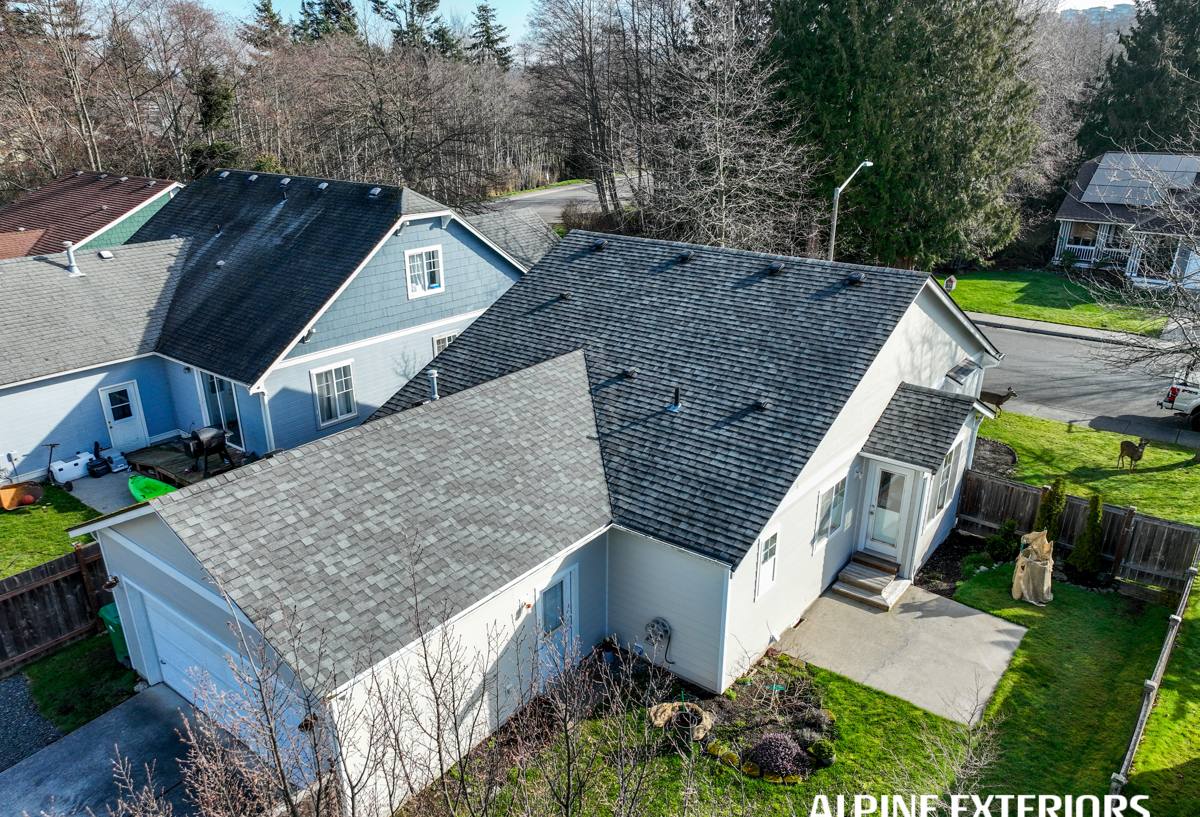
What Bartlett Park Homes Specifically Need From a Shingle Roof
Because the neighborhood has a real mix of housing stock, the right approach isn't identical from house to house.
- Older homes with original or aging decking: often need deck inspection and possible plywood or board replacement before new shingles go down — installing over compromised decking voids most manufacturer warranties and shortens the roof's real lifespan.
- Homes under heavy tree canopy: benefit from proper attic and roof ventilation to manage the extra moisture load, plus more frequent debris clearing to prevent granule loss from trapped organic material.
- Homes with full sun exposure: do better with shingles that carry stronger UV and algae resistance, since granule loss and heat cycling happen faster with no shade.
- Homes closer to the bay side of the neighborhood: should prioritize corrosion-resistant flashing and fasteners over standard-grade metal.
Choosing the Right Shingle for This Climate
Not every shingle sold nationally performs the same way in Pinellas County. We generally steer Bartlett Park homeowners toward architectural (laminated) shingles over basic 3-tab products, mainly because of wind performance and thickness, but the right choice depends on budget, roof pitch, and how long you plan to stay in the home.
| Shingle Type | Typical Wind Rating | Best Fit For | Trade-Offs |
|---|---|---|---|
| 3-Tab Shingle | Lower wind rating, lighter weight | Budget-conscious re-roofs, secondary structures | Shorter lifespan, less wind resistance, flatter appearance |
| Architectural/Laminated Shingle | Higher wind rating with proper nailing | Most primary homes in this climate | Higher upfront cost than 3-tab, but longer service life |
| Impact-Rated (Class 4) Shingle | High wind rating plus impact resistance | Homes wanting maximum durability, possible insurance credit | Highest material cost; not all insurers discount the same way |
We work with shingles from major manufacturers such as GAF, Owens Corning, and CertainTeed, chosen based on the specific product line's wind rating, algae resistance, and warranty terms rather than brand loyalty alone. What matters more than the label on the wrapper is whether the product is installed to the manufacturer's exact specification, since that's what keeps the warranty valid if something ever goes wrong.
What a Correct Installation Actually Involves
A shingle roof is a system, not a single layer. Skipping or shortcutting any piece below is where most premature failures in this climate come from.
Deck Inspection and Repair
Before anything goes on the roof, the decking underneath gets checked for soft spots, delamination, or old fastener damage. Any compromised sections get replaced — this is non-negotiable for both performance and warranty coverage.
Underlayment
A synthetic or self-adhering underlayment goes down as the roof's real waterproofing layer. In wind-driven rain, this layer is doing more work than most homeowners realize, especially at valleys, penetrations, and eaves where water pressure concentrates.
Flashing
Step flashing at walls, chimney flashing, valley flashing, and drip edge all need to be installed and sealed correctly, not just reused from the old roof. Reusing old flashing is a common shortcut that leads to leaks well before the shingles themselves fail.
Nailing Pattern
Manufacturer-specified nailing — correct nail count, placement, and depth — is what actually determines a shingle's real-world wind performance, regardless of what the wind rating on the wrapper says. Overdriven or underdriven nails are one of the single biggest causes of wind-related shingle loss in this region.
Ventilation
Balanced intake and exhaust ventilation keeps attic temperatures and moisture in check, which protects both the decking from underneath and the shingles from premature aging due to heat buildup.
Our Process, Start to Finish
- Inspection and estimate: we walk the roof, check the decking where accessible, and give you an honest assessment of repair versus full replacement.
- Written scope and pricing: you get a clear breakdown of materials, labor, and any deck repair contingencies before work starts — no vague allowances.
- Permitting: roof replacements in St. Petersburg require a permit and inspection; we handle that paperwork as part of the job.
- Tear-off and deck check: old roofing comes off down to the deck so it can be properly inspected and repaired if needed.
- Underlayment, flashing, and shingle installation: installed to manufacturer spec for wind and warranty compliance.
- Site cleanup: magnetic sweep for nails and full debris removal before we consider the job done.
- Final walkthrough: we review the finished roof with you and go over warranty paperwork.
Signs Your Bartlett Park Roof Needs Attention
Most shingle roof problems give warning signs well before a leak shows up inside the house. Worth checking periodically, especially after a windy storm:
- Shingles that look curled, cupped, or lifted at the edges
- Bald or shiny patches where granules have worn away
- Granules collecting in gutters or at downspout outlets
- Visible cracked, torn, or missing shingles after a storm
- Soft or spongy spots when walking the roof
- Daylight visible through the attic decking
- Rust streaks or corrosion around flashing and vent boots
- Dark streaking across the shingle surface (algae growth)
Maintenance and Realistic Lifespan in This Climate
A well-installed architectural shingle roof in the St. Petersburg area typically holds up for a couple of decades or more, but actual lifespan depends heavily on tree cover, ventilation, and how promptly minor damage gets addressed. Homes under heavy canopy in Bartlett Park should have debris cleared off the roof periodically and gutters checked more often, since trapped organic matter holds moisture against the shingle surface and speeds up granule loss and algae staining. A quick inspection after any named storm is worth the time — catching a handful of lifted shingles early is a small repair; ignoring them through the next storm often turns into a much bigger one.
Why Local Experience in Bartlett Park Matters
Roofing codes and wind requirements in Pinellas County are stricter than in a lot of inland Florida counties, and permitting expectations can vary between jurisdictions. A crew that regularly works in and around St. Petersburg already knows the local permitting process, the wind-zone fastening requirements that apply here, and the practical realities of working on the area's older roof decks and mature-canopy lots. That local familiarity translates directly into fewer surprises mid-project and a roof that's actually built for what this specific location will throw at it — not a generic install pulled from a national playbook.
If you're weighing a repair versus a full replacement, or just want an honest read on where your current roof stands, we're happy to take a look. Use the form below to request a free, no-pressure estimate for your Bartlett Park home.